

Your 1980-1986 Chevrolet Impala Oxygen Sensor: A Replacement Guide
A faulty oxygen sensor can cause poor fuel economy and performance in your classic Impala; here’s how to choose the right replacement.
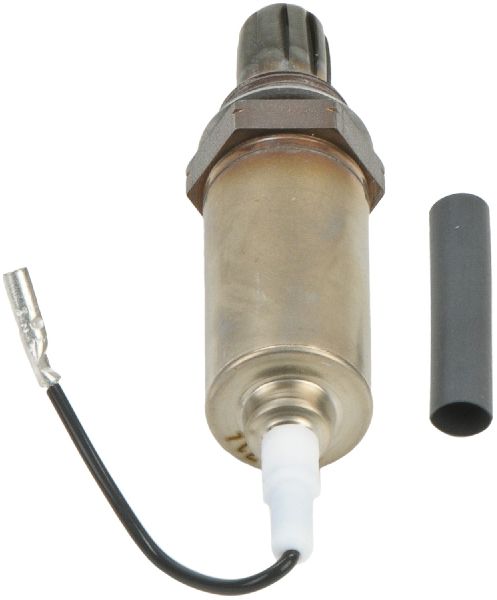
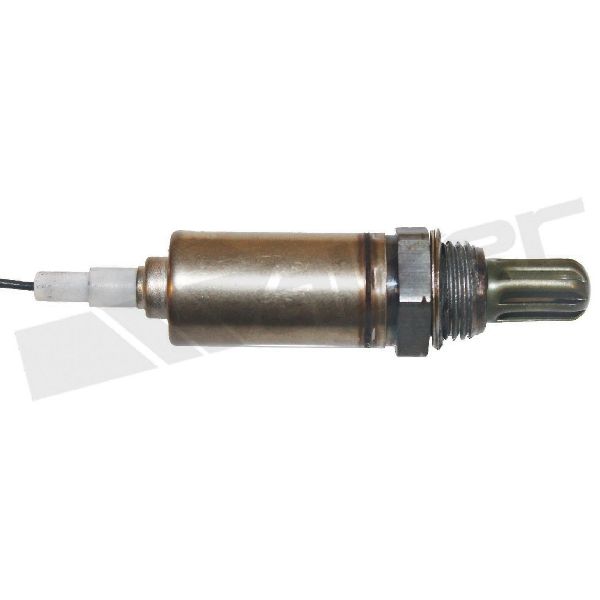
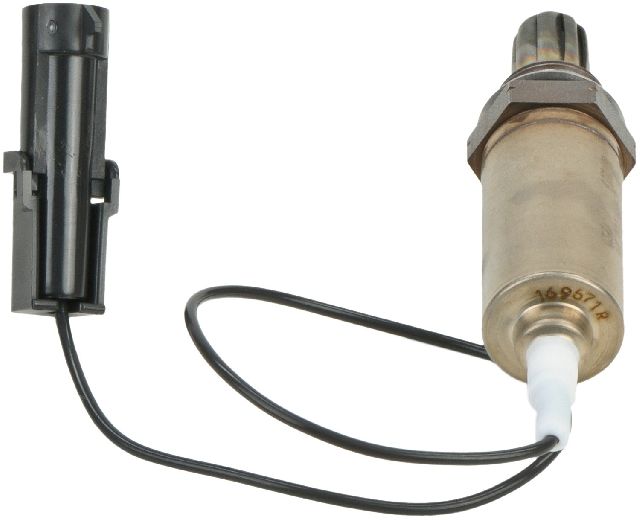
- Your 1980-1986 Impala has a single, unheated, one-wire oxygen sensor located in the exhaust manifold.
- A failing sensor will decrease fuel economy, cause a rough idle, and can lead to a failed emissions test.
- Ignoring a bad sensor can cause expensive damage to the catalytic converter over time.
- Choose a direct-fit replacement from a reputable brand like Delphi, Bosch, or NGK/NTK for best results.
Symptoms of a Failing Oxygen Sensor in a 1980-1986 Impala
Because the oxygen sensor is critical for managing your Impala's air-fuel mixture, a failing sensor will cause noticeable problems. You should consider a replacement if you experience any of the following:
- Poor Fuel Economy: This is the most common symptom. If the computer gets bad information, it will often default to a rich fuel mixture, causing your car to use more gas.
- Rough or Unstable Idle: An incorrect air-fuel mixture can make your engine idle poorly after it has warmed up.
- Failed Emissions Test: A bad O2 sensor is a leading cause of failing a state emissions inspection, as it directly controls the output of pollutants.
- "Rotten Egg" Smell: A rich fuel mixture can overwhelm the catalytic converter, causing a distinct sulfur smell from the exhaust.
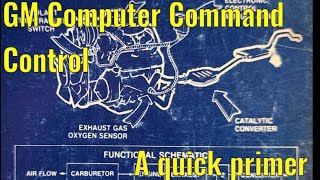
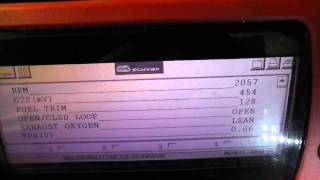
- Check Engine Light: On these early computer-controlled cars, a bad O2 sensor can trigger a trouble code. For the GM CCC system, 🎬 Watch: A deep dive into the GM Computer Command Control system. this is often a Code 13, indicating an issue in the oxygen sensor circuit. 🎬 Watch: How to quickly test a GM oxygen sensor circuit.
Potential for Further Damage
Ignoring a bad oxygen sensor can have expensive consequences. Running a consistently rich fuel mixture can overheat and destroy your catalytic converter, a much more costly repair than the sensor itself.
Choosing the Right Aftermarket O2 Sensor Brand
For a classic vehicle like the 1980-1986 Impala, you have several excellent aftermarket options. Original GM parts are scarce, but many brands meet or exceed original quality.
Tier 1: OEM-Equivalent & Premium Brands
- Delphi: As a former division of GM, Delphi parts are considered an original equipment equivalent. They are designed to match the exact performance of the original sensor your car came with.
- Bosch: Bosch invented the automotive oxygen sensor and is a world leader in the technology. They are a trusted, high-quality choice that will provide reliable performance.
- NGK / NTK: NTK is the sensor division of NGK. They are a major OEM supplier for many car manufacturers and are known for their high quality and durability. Many professional mechanics trust and recommend them.
- Denso: While often associated with Japanese vehicles, Denso produces high-quality sensors that are a reliable option for many domestic cars as well.
Tier 2: Standard Replacement Brands
- Walker Products: Walker is a well-regarded aftermarket brand that produces reliable replacement parts, offering a good balance of quality and price.
- Spectra: Spectra provides dependable replacement parts that are a cost-effective solution for daily drivers.
Tier 3: Economy Brands
- DriveWire: These sensors are designed to be an affordable repair option to get your vehicle back on the road and pass an emissions test.
Pro Tip: Direct-Fit vs. Universal
Always choose a "direct-fit" sensor for your Impala. These come with the correct single-pin connector and require no wire splicing. Universal sensors are cheaper but require you to cut and splice wires, which can lead to connection problems.
How Much Does a New Oxygen Sensor Cost?
The cost for a new oxygen sensor for your Impala is very reasonable. The price depends on the brand you choose.
| Part Type | Price Range | Notes |
|---|---|---|
| New Aftermarket | $21.55 - $92.58 | This is the most common and recommended option. Includes all available brands. |
| New OEM (AC Delco) | N/A | Finding a true New Old Stock (NOS) AC Delco part is very rare and would likely be expensive. Delphi is the modern equivalent. |
| Shop Labor | $50 - $100 | Most shops will charge for 0.5 to 1.0 hours of labor for this simple replacement. |
Frequently Asked Questions (FAQ)
How many oxygen sensors does my 1980-1986 Impala have?
Your Impala has only one oxygen sensor. It is located "upstream" in the exhaust system, before the catalytic converter, typically screwed into the driver's side exhaust manifold.
Is the oxygen sensor on my Impala heated?
No. The 1980-1986 Impala uses a simple, unheated, single-wire oxygen sensor. It relies on the heat from the engine's exhaust to reach its operating temperature.
Can I clean my old oxygen sensor instead of replacing it?
No, cleaning an oxygen sensor is not recommended. The sensing element degrades over time and cannot be restored by cleaning. Contaminants from fuel and oil permanently damage the sensor's internal components. For reliable performance, replacement is the only option.
What tools do I need to replace the oxygen sensor?
The most important special tool is an oxygen sensor socket. This is a deep socket with a slot cut down the side to allow the sensor's wire to pass through. You will also likely need a ratchet, possibly a breaker bar for leverage, and penetrating oil to help loosen the old, rusty sensor.
🎬 See this walkthrough on how to replace an oxygen sensor.Helpful Videos
Technical Specifications
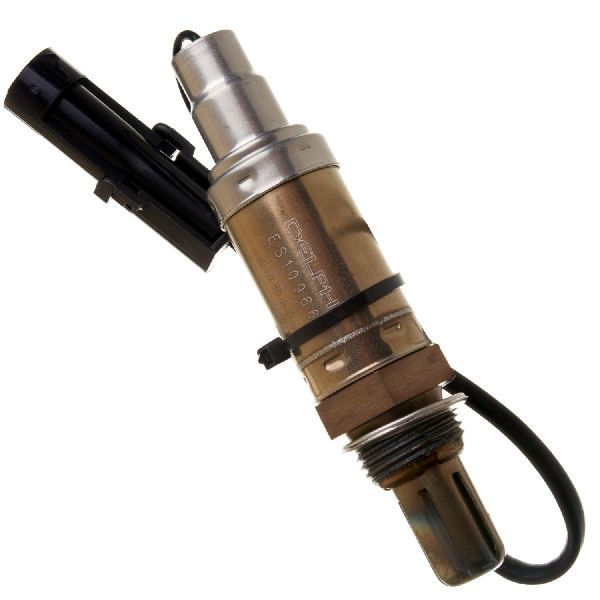
OEM Part Numbers: AFS20 AFS21
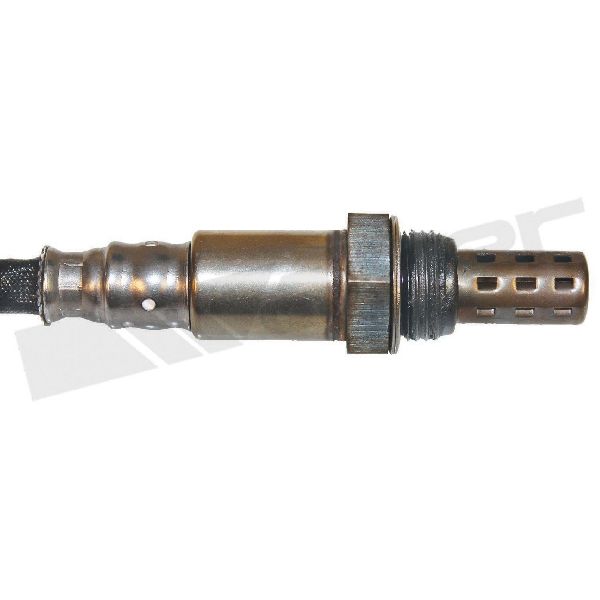
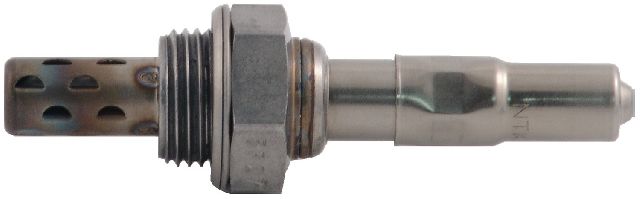
Type: Narrow-band, non-heated. Wire Count: 1. Thread Size: 18mm. Location: Upstream (in exhaust manifold).
We Have This Part in Stock

The information in this article is provided for general reference and educational purposes only. Vehicle specifications, procedures, and part compatibility can vary by production date, trim level, and region. Always consult your vehicle's factory service manual and verify part numbers before purchasing or performing repairs. Safety-critical components such as airbags, seat belts, and braking systems should be installed by a qualified professional.
- Chevrolet Impala:
- 🎬 Helpful Videos
- 🛍️ Shop This Part
- Symptoms of a Failing Oxygen Sensor in a 1980-1986 Impala
- Potential for Further Damage
- Choosing the Right Aftermarket O2 Sensor Brand
- Tier 1: OEM-Equivalent & Premium Brands
- Tier 2: Standard Replacement Brands
- Tier 3: Economy Brands
- Pro Tip: Direct-Fit vs. Universal
- How Much Does a New Oxygen Sensor Cost?
- Frequently Asked Questions (FAQ)
- 🎟️ Get 5% Off