

Chevrolet Impala Radiator Replacement Guide: 1980-1986
Keep your classic Impala's engine cool by choosing the right replacement radiator for your needs.
- The most common radiator failures on a 1980-1986 Impala are age-related leaks, clogs, and cracks in the plastic tanks of modern replacements.
- Choose your replacement based on use: A standard plastic/aluminum radiator from a brand like Spectra or Nissens is fine for stock cars, while a performance all-aluminum unit from Mishimoto or Frostbite is better for modified engines or hot climates.
- Before ordering, measure your radiator's core to ensure you buy the correct size, as multiple variations exist for this vehicle generation.
- Always replace the radiator cap with the radiator to ensure the system holds pressure correctly and avoids damage to your new part.
Signs of a Failing Radiator
An old or damaged radiator can't cool your engine effectively. For the 1980-1986 Impala, which originally came with a copper and brass radiator, age is a major factor. Modern replacements are often plastic and aluminum, which can also fail. Look for these common symptoms:
- Engine Overheating: The most obvious sign. If your temperature gauge is in the red, your radiator may be clogged or leaking.
- Coolant Leaks: Finding puddles of green, orange, or pink fluid under the front of your car is a clear sign of a leak. Leaks can come from cracked plastic tanks, bad seals, or holes in the aluminum core.
- Visible Damage or Corrosion: Look for rust-colored stains, bent fins, or white, crusty deposits on the radiator itself. This points to leaks and a loss of cooling efficiency.
- Sweet Smell: The smell of hot coolant is often described as sweet or syrupy. If you notice this smell after driving, coolant is likely leaking from somewhere in the system.
Critical Warning: Do Not Ignore Overheating
Continuously driving an overheating vehicle can lead to catastrophic engine failure, including warped cylinder heads and blown head gaskets. If the temperature gauge climbs into the red, pull over and shut off the engine as soon as it is safe to do so.
Choosing the Right Aftermarket Radiator
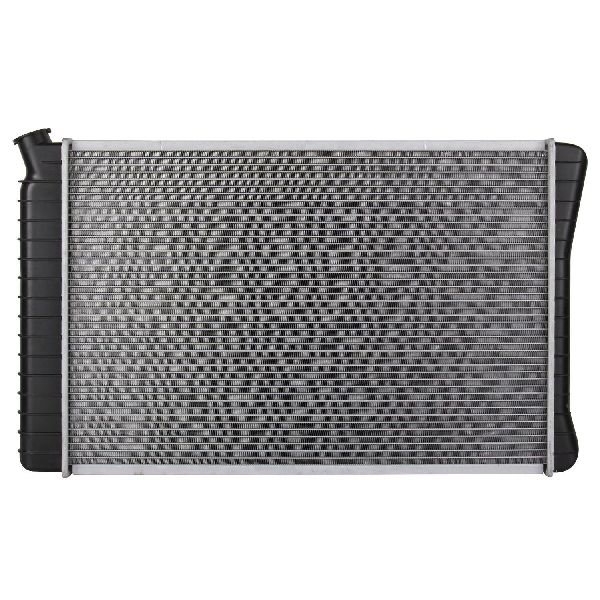
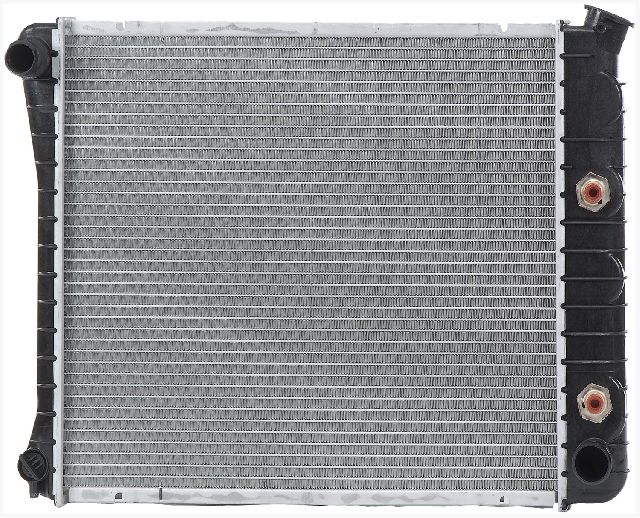
For a classic car like the 1980-1986 Impala, new OEM radiators from GM are generally not an option. The aftermarket, however, offers several choices. Original radiators were copper/brass, but most new aftermarket parts are either plastic/aluminum or all-aluminum.
Brand Quality Tiers
Not all aftermarket brands are created equal. They generally fall into three categories:
- Performance (High Tier): Brands like Mishimoto and Frostbite offer all-aluminum radiators. These are TIG-welded and often have more rows or larger tubes for improved cooling capacity. They are an excellent choice for high-horsepower engines, cars used for towing, or driving in hot climates. Mishimoto, in particular, is known for good fitment and offers a lifetime warranty.
- OEM-Quality (Mid Tier): Brands like Spectra Premium and Nissens are designed to be direct, reliable replacements for the original part. They typically use a plastic tank and aluminum core construction, similar to modern cars. These brands offer a good balance of price, reliability, and fit for a daily driven or stock vehicle.
- Economy (Low Tier): Brands like APDI and some other private labels offer the lowest price. While tempting, they can be a gamble. Forum discussions and reviews sometimes point to issues with thin materials, poor fit, and premature leaks or failures. These may be suitable for a temporary fix but are not recommended for long-term reliability.
Pro Tip: Check Your Core Size
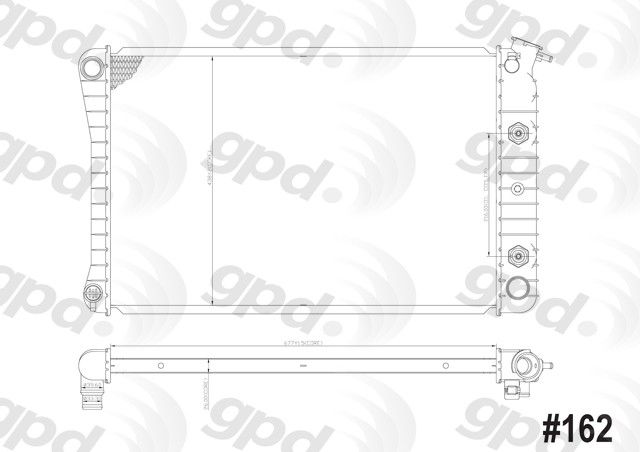
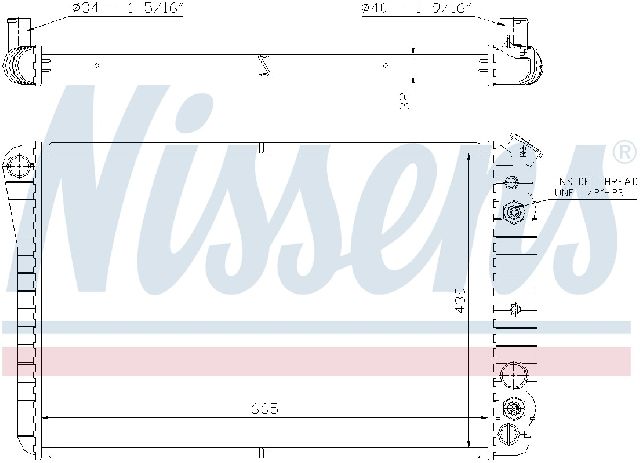
The 1980-1986 Impala came with different engines and options, which means radiator sizes can vary. Before ordering, measure the width of your radiator's core (the finned area only). A common core width for these models is about 26 inches. Verifying this measurement ensures you get a part that drops right in.
Cost of a New Aftermarket Radiator (1980-1986 Chevrolet Impala)
| Part Type | Estimated Cost | Notes |
|---|---|---|
| Economy Aftermarket (e.g., APDI, One Stop Solutions) | $131 - $180 | Basic plastic/aluminum construction. Quality and fit can be inconsistent. |
| Standard Aftermarket (e.g., Spectra, Nissens, Global Parts) | $180 - $275 | Reliable plastic/aluminum construction, designed to meet original specifications. A good choice for most owners. |
| Performance Aluminum (e.g., Mishimoto, Frostbite) | $275 - $450+ | All-aluminum construction for superior cooling and durability. Recommended for modified or heavy-use vehicles. |
Frequently Asked Questions (FAQ)
Is it hard to replace the radiator on a 1980-1986 Impala?
No, for a person with basic mechanical skills, it is a relatively easy job. It involves draining the coolant, disconnecting the hoses and transmission cooler lines, unbolting the old radiator, and then installing the new one in the reverse order. It typically takes 1-3 hours.
Should I get a 1-row, 2-row, or 3-row radiator?
The number of rows refers to the layers of tubes in the radiator's core. More rows generally mean better cooling. A standard 1-row plastic/aluminum radiator can be as effective as an older 3-row copper/brass unit due to modern design. For a stock engine, a quality 1 or 2-row radiator is sufficient. If you have a modified engine or live in a very hot climate, a 3-row or even 4-row aluminum radiator is a worthwhile upgrade.
Do I need a new radiator cap?
Yes, it is highly recommended. A radiator cap is a pressure relief valve that is critical for the cooling system to work correctly. They are inexpensive and an old cap can cause pressure problems that may damage your new radiator. Some new radiators include a cap, but many do not.
What's the difference between copper/brass and aluminum radiators?
Original radiators were copper/brass, which is heavy but good at heat transfer and easy to repair. Modern aluminum radiators are lighter and can offer better cooling efficiency, especially when paired with a modern core design. However, plastic/aluminum radiators cannot be easily repaired and must be replaced if the plastic tanks crack.
Were there any recalls for the 1980-1986 Impala radiator?
No, searches of the National Highway Traffic Safety Administration (NHTSA) database and other records show no specific recalls or technical service bulletins (TSBs) for the radiator on the 1980-1986 Chevrolet Impala. This is common for vehicles of this age.
Technical Specifications
Core Material: Originally Copper/Brass, Aftermarket is typically Aluminum with Plastic Tanks or All-Aluminum. Core Construction: Crossflow design. Common Core Dimensions: Approximately 26 1/4" x 17 5/16". Inlet/Outlet Diameter: Varies, but typically around 1 5/16" inlet and 1 9/16" outlet. Transmission Cooler: Most radiators for automatic transmission vehicles will include an internal concentric transmission oil cooler.
We Have This Part in Stock


The information in this article is provided for general reference and educational purposes only. Vehicle specifications, procedures, and part compatibility can vary by production date, trim level, and region. Always consult your vehicle's factory service manual and verify part numbers before purchasing or performing repairs. Safety-critical components such as airbags, seat belts, and braking systems should be installed by a qualified professional.
- Chevrolet Impala: