

Ford F-150 Oxygen Sensor Guide: 1980-1986
Choosing the right oxygen sensor for your Bullnose Ford F-150 is key to restoring fuel economy and engine performance.
- Your truck has only one upstream O2 sensor, making replacement straightforward.
- Choose a direct-fit sensor from Bosch or NTK for OEM-level performance; they were original suppliers.
- The biggest challenge is removing the old sensor, which is often seized by rust; use plenty of penetrating oil.
- A new sensor is a cheap and effective way to restore lost fuel economy and engine performance.
Is Your F-150's Oxygen Sensor Failing?
The oxygen sensor in your 1980-1986 F-150 won't last forever. Contamination from oil, coolant, or rich fuel mixtures can cause it to fail. Because these trucks use a simple, non-heated, single-wire sensor in most cases, they can be sensitive. Look for these common signs of failure.
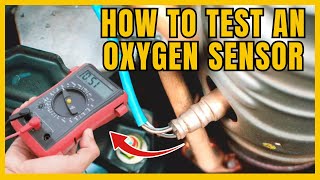
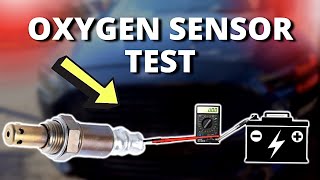
🎬 See this guide on how to test an oxygen sensor- Poor Fuel Economy: If you're filling up the tank more often, a bad O2 sensor could be telling the computer to send too much fuel.
- Rough Idle or Misfire: An incorrect air/fuel mixture can cause your truck's engine to run rough, shake, or hesitate.
- Black Exhaust Smoke: This is a clear sign the engine is running too rich (too much fuel), a common result of a failed O2 sensor.
- Rotten Egg Smell: A failing sensor can lead to an overly rich mixture, which can overheat and damage the catalytic converter, producing a sulfur smell.
- Failed Emissions Test: An incorrect air/fuel ratio will cause your truck to fail a smog test.
A Note on Check Engine Lights
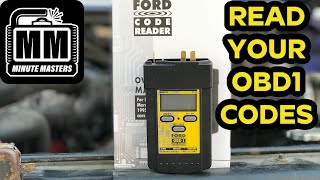
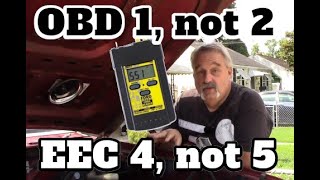
While modern trucks have a check engine light for any sensor failure, your 1980-1986 F-150 may or may not. These trucks have a primitive On-Board Diagnostics (OBD-I) system. A failing sensor might not always trigger a light, so pay attention to the driving symptoms.
🎬 Watch: How to read trouble codes on your OBD-I systemChoosing the Right Aftermarket Oxygen Sensor
For a vehicle of this age, aftermarket parts are the most common and practical choice. OEM "New Old Stock" (NOS) parts are rare and can be expensive. The good news is that several aftermarket brands were the original equipment manufacturers for Ford. Here’s how the available brands stack up.
Brand Quality Tiers
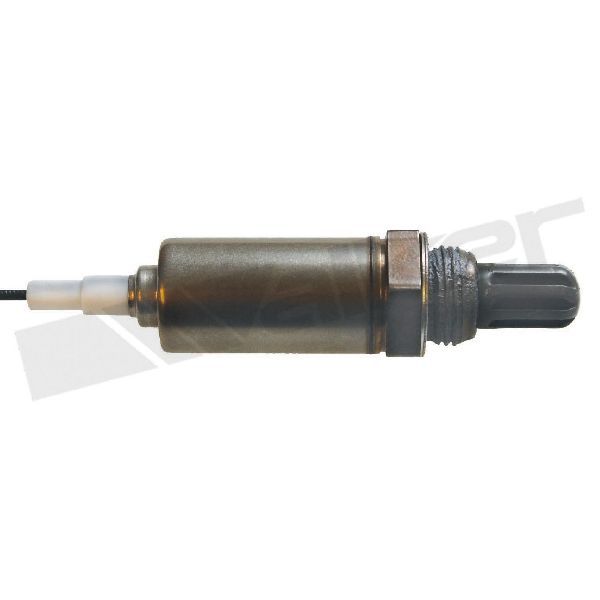
- Tier 1: OEM Quality (Bosch, NGK/NTK): Bosch was a primary OEM supplier for Ford's electronic systems in this era. An NTK (a brand of NGK) sensor is also a top-tier choice, known for its reliability and often used as original equipment on Fords. You can't go wrong with either of these brands for performance that matches the original part.
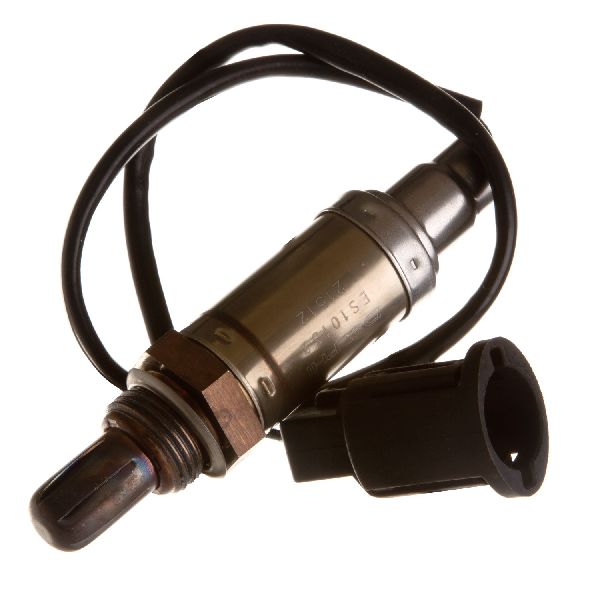
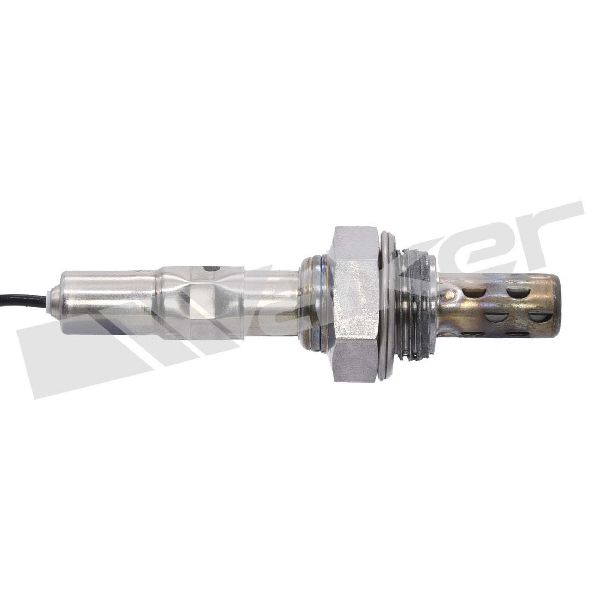
- Tier 2: Quality Aftermarket (Delphi, Walker Products): Delphi is a major OE manufacturer and their aftermarket sensors are built to high standards. Walker Products is a well-regarded aftermarket brand that provides reliable, direct-fit sensors that are a solid alternative to the premium brands.
- Tier 3: Economy (Spectra): For owners on a tighter budget, Spectra provides a functional replacement that will get the job done. While it may not have the same longevity or precise calibration as premium brands, it meets the basic requirements.
Pro Tip: Direct-Fit vs. Universal
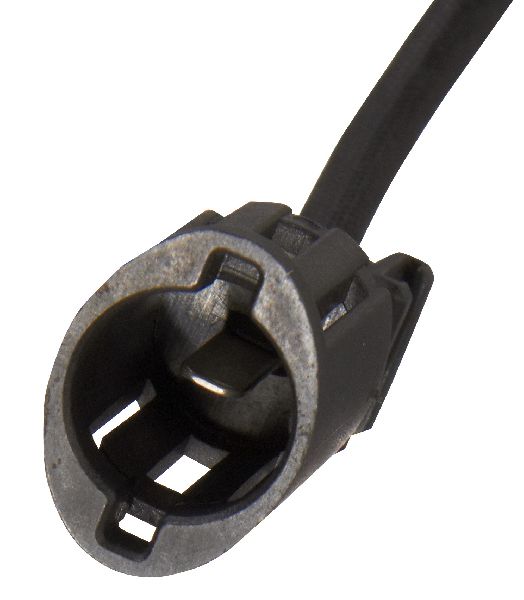
Always choose a "direct-fit" sensor. These come with the correct plug for your truck's wiring harness. A "universal" sensor requires you to cut and splice wires, which can create a point of failure and is not recommended, especially on a key sensor like this.
Oxygen Sensor Replacement Cost
The cost for a new oxygen sensor for your F-150 is very reasonable. The main variable is the cost of labor if you have a shop do the work, as the old sensor can be difficult to remove.
| Part/Service | Estimated Cost |
|---|---|
| New Aftermarket Sensor | $21 - $72 |
| New OEM (NOS) Sensor | $75 - $200+ (if found) |
| Shop Labor | $100 - $250 |
| Total (DIY) | $21 - $72 |
| Total (Shop) | $121 - $322 |
Frequently Asked Questions (FAQ)
How many oxygen sensors does my 1980-1986 F-150 have?
Your truck has only one oxygen sensor. It is located "upstream," in the exhaust manifold before the catalytic converter. These vehicles do not have downstream sensors.
Is it hard to replace the oxygen sensor myself?
The job itself is simple, but it can be very difficult. After decades of heat cycles, the sensor is often rusted firmly into the exhaust manifold. It requires a special O2 sensor socket, a lot of penetrating oil, and sometimes heat from a torch to remove without damaging the manifold threads. Access can also be tight.
🎬 Watch: A step-by-step walkthrough of the sensor replacement processWhat are the OBD-I codes for a bad oxygen sensor?
If you can pull the codes from your truck's EEC-IV computer, you might see codes like 91 (system lean), 92 (system rich), or 172 (oxygen sensor indicates lean), among others. These codes point to a problem in the fuel control system where the O2 sensor is a primary component.
Do I need to disconnect the battery to change the sensor?
Yes. It's a good practice to disconnect the negative battery terminal before unplugging or replacing any electrical sensor. This will also reset the engine computer, allowing it to re-learn the fuel trims with the new sensor.
Helpful Videos
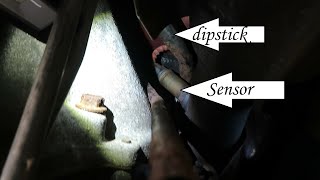
Technical Specifications
OEM Part Numbers: DY573 E5AZ-9F472-A
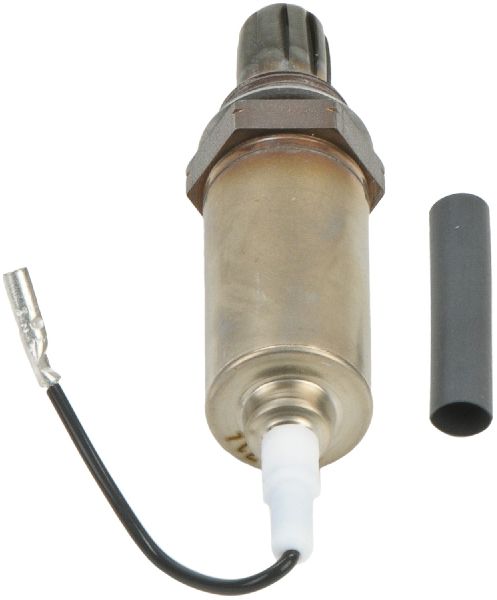
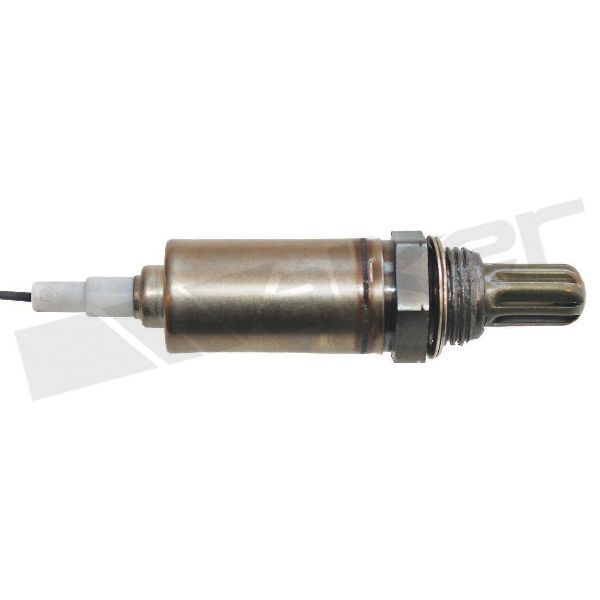
Your truck will use either a single-wire or three-wire non-heated oxygen sensor. It is critical to match the wire count and connector type to your specific engine and model year. The thread size is typically M18x1.5.
We Have This Part in Stock

The information in this article is provided for general reference and educational purposes only. Vehicle specifications, procedures, and part compatibility can vary by production date, trim level, and region. Always consult your vehicle's factory service manual and verify part numbers before purchasing or performing repairs. Safety-critical components such as airbags, seat belts, and braking systems should be installed by a qualified professional.
- Ford F-150: