

Ford LTD Mechanical Fuel Pump Guide (1980-1986)
Keep your classic Ford running strong by understanding its mechanical fuel pump.
- Ensure the replacement pump is compatible with modern ethanol fuels to prevent premature failure.
- A failing pump can cause symptoms from poor performance to critical fuel leaks and engine damage.
- For a stock V8 engine, a quality standard replacement from a brand like Carter or Delphi is sufficient.
- Replacement is a straightforward DIY task, but care must be taken to position the pump arm correctly on the camshaft eccentric.
Symptoms of a Failing Fuel Pump
A failing mechanical fuel pump on your LTD will give you clear signs. Because it's a mechanical part, it tends to wear out gradually. Look for these common symptoms:
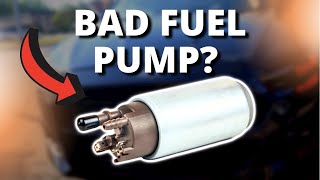
🎬 Watch: A visual guide to common fuel pump failure signs- Engine Sputtering or Hesitation: Especially at higher speeds or under load, the engine may feel like it's not getting enough gas. This happens when the worn pump can't keep up with the engine's demand for fuel.
- Difficulty Starting: A weak pump may not be able to prime the carburetor with enough fuel for a quick start, especially when the engine is cold.
- Stalling: The engine might stall out of nowhere, particularly after it has warmed up. This can be caused by a failing diaphragm inside the pump or vapor lock, where fuel gets too hot and turns to vapor in the line.
- Visible Fuel Leaks: A critical symptom is leaking gasoline from the pump body itself. The internal diaphragm can tear, allowing fuel to leak from a small weep hole. This is a serious fire hazard and must be addressed immediately.
- Fuel in the Engine Oil: If the diaphragm fails, gasoline can leak directly into the engine's crankcase. You might notice your oil level rising or a strong smell of gas on the dipstick. This is very damaging to the engine.
Choosing the Right Aftermarket Fuel Pump
Since original Ford (OEM) parts for this era are scarce, the aftermarket is your go-to source. The brands available offer a range from standard replacements to performance upgrades. Here’s how they generally stack up for your LTD:
Brand Tiers
| Tier | Brands | Description |
|---|---|---|
| Premium / Performance | Holley, Edelbrock, Carter | These brands are well-regarded for performance and durability. Holley and Edelbrock are famous in the racing and hot-rod world and offer pumps that can handle higher fuel demands, which is great if you have a modified engine. Carter is a long-standing name with a reputation for quality, often considered a reliable stock replacement or mild upgrade. These pumps often feature better diaphragms resistant to modern ethanol-blended fuels. |
| Standard Replacement | Delphi, Spectra, GMB | These brands provide reliable, budget-friendly options that meet or exceed original specifications for a stock engine. Delphi is a major OEM supplier with a good reputation. Spectra and GMB are common in auto parts stores and offer a good balance of price and quality for daily driving. |
| Economy | US Motor Works | This brand often falls into the economy category, providing a functional replacement at a lower cost. While their marketing highlights quality components, user reviews are sometimes mixed. For a classic car you depend on, it's often worth spending a bit more for a brand with a more established track record in this specific part category. |
Pro Tip: Many aftermarket brands like Airtex, Delphi, and NAPA pumps may actually be manufactured by Carter. This consolidation is common. Focus on the warranty and return policy of the seller, and choose a pump with materials designed to resist modern ethanol-blended gasoline.
Known Issues, Recalls, and Bulletins
For a vehicle of this age, factory recalls are long expired. However, there was a significant aftermarket recall in 2007 (NHTSA Campaign ID: 07E064000) that affected several brands, including Carter and NAPA. The recall was for improperly installed diaphragms that could cause fuel leaks. While this was years ago, it highlights the importance of the diaphragm's quality. Always inspect a new pump for any signs of damage before installation.
Frequently Asked Questions (FAQ)
Do I need a special pump for today's gasoline?
Yes, it's highly recommended. Modern gasoline often contains ethanol, which can degrade the rubber diaphragms in older-style fuel pumps not designed for it. This can lead to premature failure and dangerous leaks. Look for pumps specifically marketed as being compatible with modern or ethanol-blended fuels.
What's the difference between a 2-port and 3-port fuel pump?
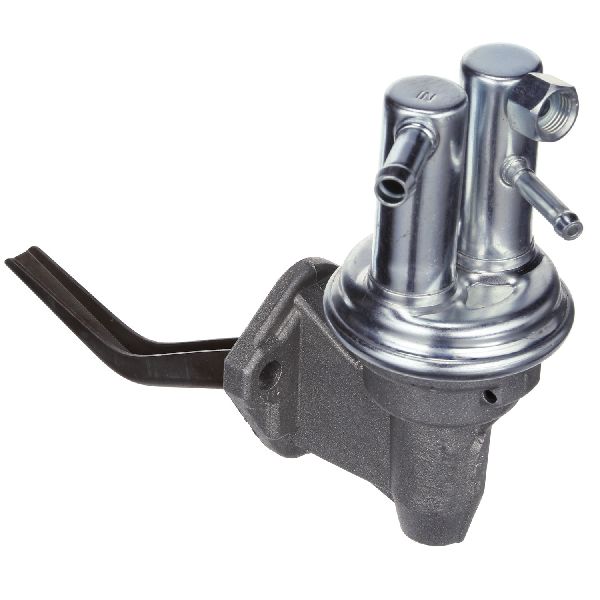
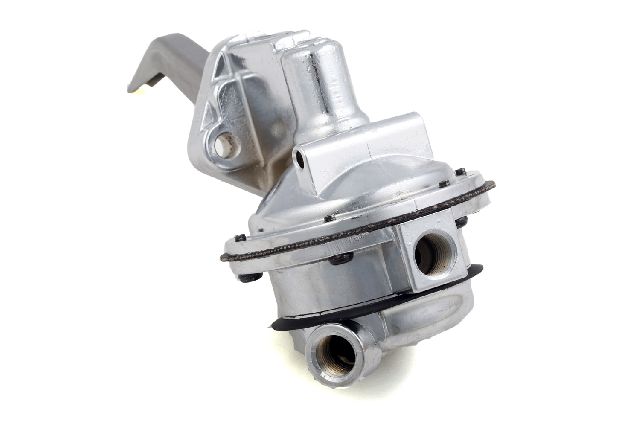
A 2-port pump has a simple inlet and outlet. A 3-port pump adds a return line. This third line sends excess fuel back to the tank, which helps prevent vapor lock by keeping cooler fuel circulating through the pump. If your original LTD has a fuel return line, you must use a 3-port replacement pump.
Can I just upgrade to an electric fuel pump?
Yes, this is a common modification. An electric pump provides more consistent fuel pressure and can make starting easier. However, it requires careful installation, including new wiring, a safety switch (like an oil pressure switch or inertia switch) to shut the pump off in an accident, and a fuel pressure regulator to avoid overwhelming the carburetor. For a stock or lightly modified car, a quality mechanical pump is often simpler and sufficient.
Is replacing the fuel pump a DIY job?
Yes, for most home mechanics with basic tools, this is a very feasible job. It typically involves disconnecting fuel lines, unbolting the old pump from the side of the engine block, and bolting the new one in place. The most difficult part is often getting the new pump's lever correctly positioned on the camshaft eccentric.
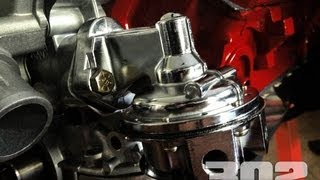
🎬 Watch: Step-by-step guide to installing a Holley pump on a Ford 302Helpful Videos


Technical Specifications
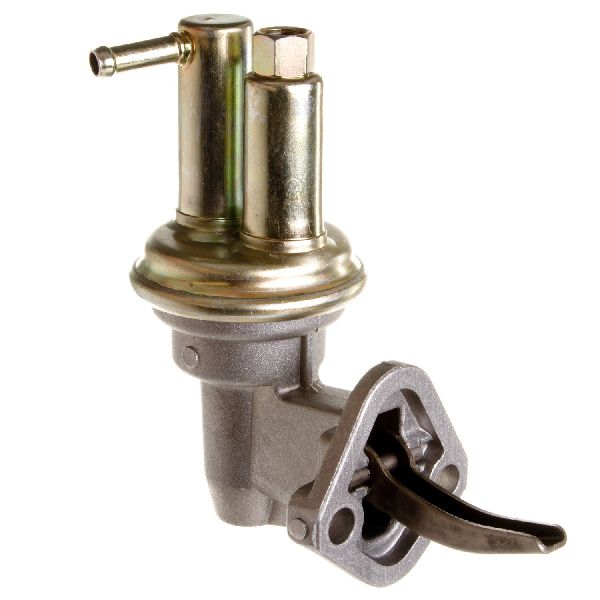
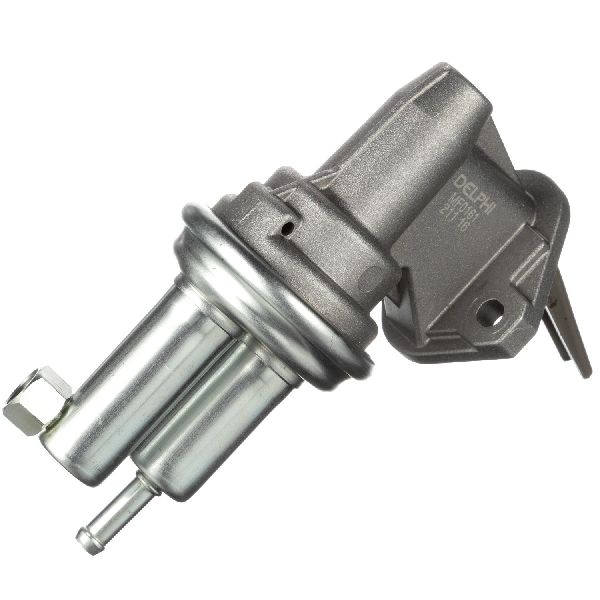
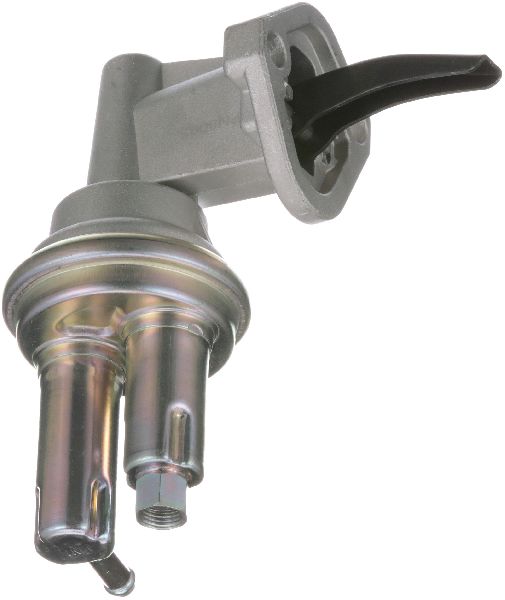
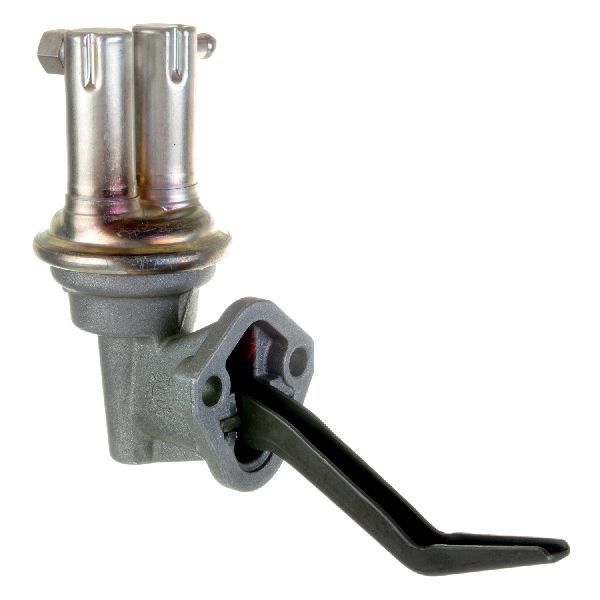
Engine-driven via a lever on the camshaft eccentric. Designed for low-pressure carbureted systems (typically 4-7 PSI). Available in 2-port (in/out) and 3-port (in/out/return) configurations. Check if your vehicle has a return line before ordering.
We Have This Part in Stock

The information in this article is provided for general reference and educational purposes only. Vehicle specifications, procedures, and part compatibility can vary by production date, trim level, and region. Always consult your vehicle's factory service manual and verify part numbers before purchasing or performing repairs. Safety-critical components such as airbags, seat belts, and braking systems should be installed by a qualified professional.
- Ford LTD: