

Ford LTD Starter and Solenoid Guide (1980-1986)
If your LTD clicks but won't start, the problem might not be what you think—read this before you buy a new starter.
- Always suspect the fender-mounted starter solenoid first; it's a more common failure point than the starter motor on these cars.
- Thoroughly check your battery's charge and clean all cable connections before buying any parts.
- A single, loud 'click' usually points to the solenoid or starter, while rapid clicking points to a weak battery.
- For a reliable repair, choosing a new starter from a quality brand like Bosch or WAI Global is often better than a store-brand remanufactured unit.
Is It Your Starter or the Fender Solenoid?
Before you spend money on a new starter for your 1980-1986 Ford LTD, you need to check the fender-mounted starter solenoid (also called a relay). This part fails more often than the starter motor itself and can create the exact same symptoms. Always check the simple things first: make sure your battery is fully charged and the cable connections are clean and tight.
- If you hear a single, loud CLICK from under the hood but the engine doesn't crank: This is the classic sign of a bad starter solenoid. It means the solenoid is receiving power from the key but isn't sending the high-amperage current down to the starter motor. It could also be a bad connection on the heavy cable between the solenoid and starter, or a failed starter motor.
- If you hear rapid, machine-gun-like clicking: This is almost always a sign of a weak or dead battery that lacks the power to turn the engine. This is not a starter problem.
- If you hear no sound at all: The problem is likely in the electrical path before the starter. This could be a dead battery, a failed fender solenoid, a bad ignition switch, or the wiring in between.
Pro Tip: You can test the solenoid with a screwdriver. With the car in Park or Neutral, bridge the two large posts on the fender solenoid. If the engine cranks, the starter motor is good, and the solenoid is almost certainly the problem. Be prepared for sparks when doing this.
Symptoms of a Failing Starter Motor
If you've ruled out the battery and solenoid, the starter motor itself may be the culprit. Signs of a failing starter motor include:
- Slow, Labored Cranking: Even with a fully charged battery, the engine turns over very slowly, as if it's struggling. This indicates the starter motor is worn out and drawing too much electricity.
- Grinding or Whirring Noises: A grinding sound upon starting means the starter's gear is not engaging properly with the engine's flywheel, which can cause damage over time. A whirring sound after the engine starts suggests the starter drive is not retracting.
- Hot-Start Problems: The car starts fine when cold but refuses to crank when the engine is hot. This is a common issue on older Fords where heat from the exhaust manifold increases electrical resistance in the starter. Upgrading to a modern high-torque starter is a common solution.
- Smoke or a Burning Smell: This is a sign of a severe electrical short inside the starter motor. Disconnect the battery immediately to prevent a fire.
Choosing the Right Aftermarket Starter
For a vehicle of this age, new factory (OEM) starters are not a practical option. Your choice is between new aftermarket and remanufactured aftermarket parts. Modern aftermarket starters are often more powerful and reliable than the original 1980s parts.
Here is an honest assessment of the available brands:
- Bosch: Generally considered a top-tier aftermarket brand, with quality often on par with original equipment manufacturers. A new Bosch starter is a reliable choice for longevity.
- WAI Global: This brand produces 100% new starters and components, not remanufactured ones. They are known for in-house testing and are a solid choice for those who prefer a completely new unit.
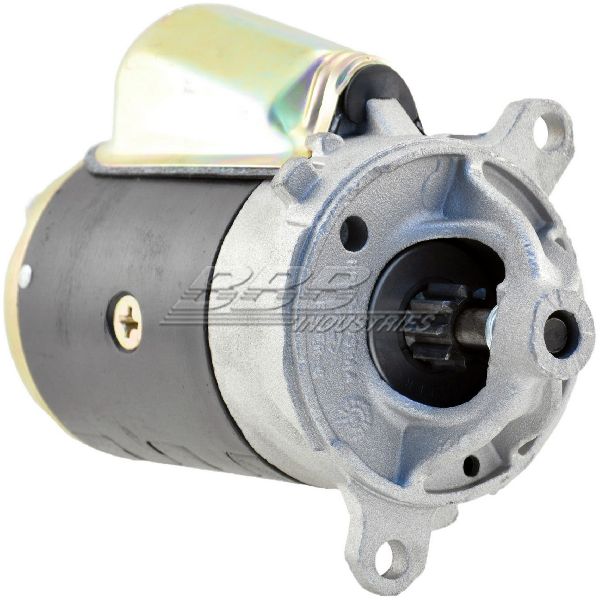
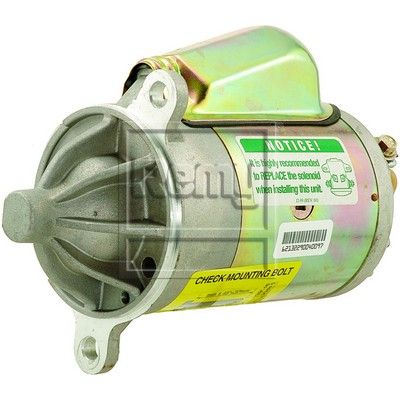
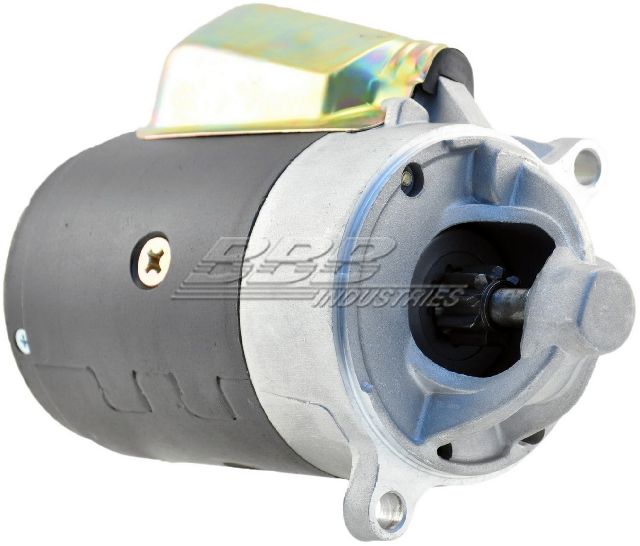
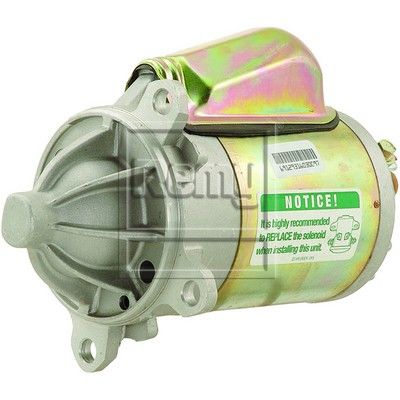
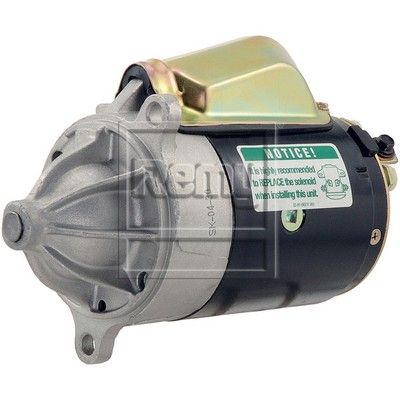
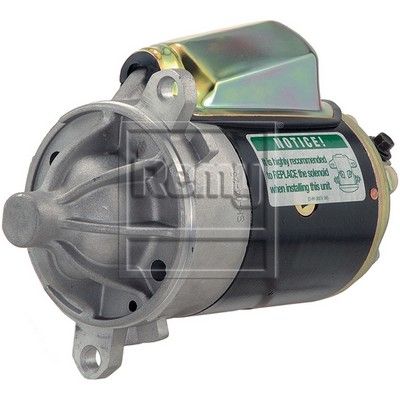
- Remy / BBB Industries: Remy's aftermarket division is part of BBB Industries. They offer both new and remanufactured units. While some users find them to be a good value, the quality of remanufactured parts can sometimes be inconsistent.
A Note on Remanufactured Parts: While cost-effective, remanufactured starters from parts stores can be hit-or-miss. For a critical part that can leave you stranded, investing in a quality new unit from a brand like Bosch or WAI Global is often worth the small extra cost.
New Aftermarket Starter Cost for 1980-1986 Ford LTD
| Brand Tier | Estimated Price |
|---|---|
| Bosch, WAI Global (New) | $140 - $190 |
| BBB Industries, Remy (New/Reman) | $111 - $150 |
Prices are estimates as of early 2026 and may vary by retailer.
Recalls and Technical Service Bulletins (TSBs)
As of early 2026, there are no active recalls or specific Technical Service Bulletins (TSBs) from Ford or the NHTSA related to the starter motor for the 1980-1986 Ford LTD. Any starting system issues on these vehicles are typically due to the age and wear of the original components.
Frequently Asked Questions (FAQ)
Can I replace the starter on my LTD myself?
Yes, this is a manageable job for a home mechanic with basic tools. It involves disconnecting the battery, safely raising the front of the vehicle, removing the electrical cables from the starter, and unfastening two or three mounting bolts. The fender solenoid is even easier to replace, typically held on by just two small bolts.
Should I replace the fender solenoid at the same time as the starter?
Yes, it is highly recommended. The fender solenoid is an inexpensive part and a very common point of failure on these Fords. Replacing it along with the starter is cheap insurance against being stranded later.
Do I need a special starter for my V8 engine?
For a stock engine, a standard replacement starter is sufficient. However, if your engine is modified or you experience hot-start problems, upgrading to a high-torque "mini-starter" is a worthwhile investment for better cranking power and heat resistance.
What is the most common mistake when diagnosing a no-start issue?
The most common mistake is immediately blaming the starter without first testing the battery and checking all cable connections. A weak battery or a loose, corroded cable at the battery, solenoid, or starter can mimic the symptoms of a failed component.
Technical Specifications
Vehicle utilizes a fender-mounted starter solenoid separate from the starter motor. Replacement starters must be compatible with the vehicle's specific engine and transmission (automatic or manual).
We Have This Part in Stock

The information in this article is provided for general reference and educational purposes only. Vehicle specifications, procedures, and part compatibility can vary by production date, trim level, and region. Always consult your vehicle's factory service manual and verify part numbers before purchasing or performing repairs. Safety-critical components such as airbags, seat belts, and braking systems should be installed by a qualified professional.
- Ford LTD: