

Engine Coolant Temperature Sensor Guide for the 1980-1987 Mercury Capri
Solve poor fuel economy and rough running by understanding this critical sensor on your Fox Body Capri.
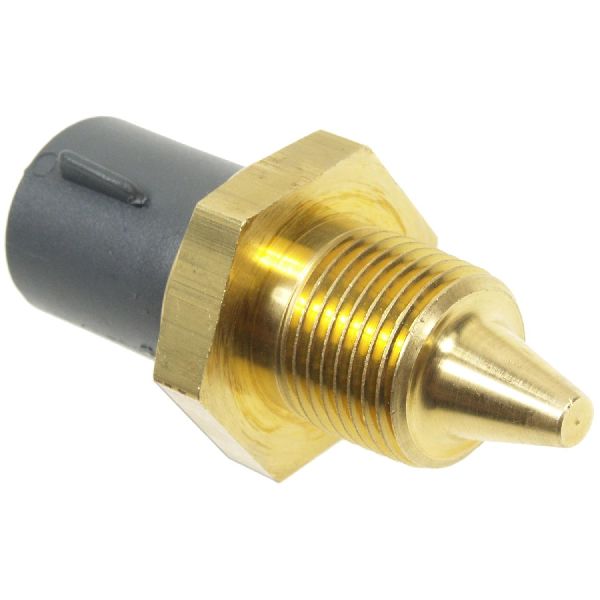
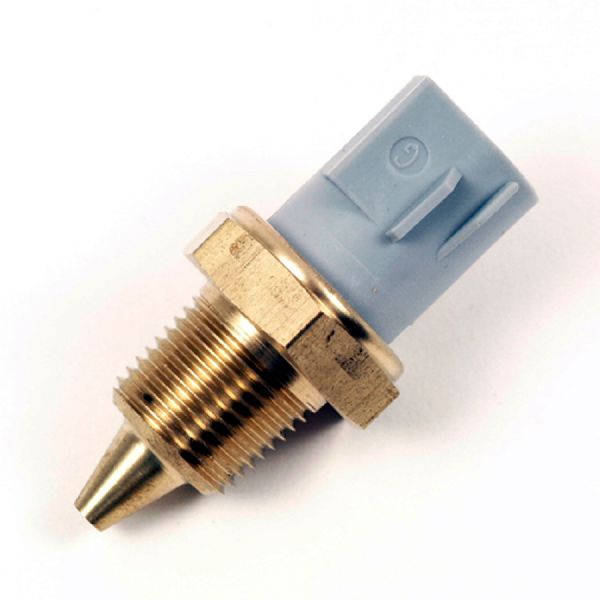
- Crucially distinguish between the two-wire ECT Sensor for the computer and the one-wire Sender for the dash gauge before buying.
- A bad sensor typically causes poor fuel economy, black exhaust smoke, and a rough idle because it makes the engine run too rich.
- Replacement is a simple DIY task that takes under an hour, but you must let the engine cool down completely first.
- For fuel-injected models like the 5.0L V8, choosing a premium aftermarket brand like Delphi, NGK, or Standard Ignition is a worthwhile investment for performance.
Sensor vs. Sender: A Common Capri Confusion
On 1980-1987 Mercury Capris, it is critical to distinguish between the Engine Coolant Temperature (ECT) Sensor and the Temperature Sender. They are not the same part.
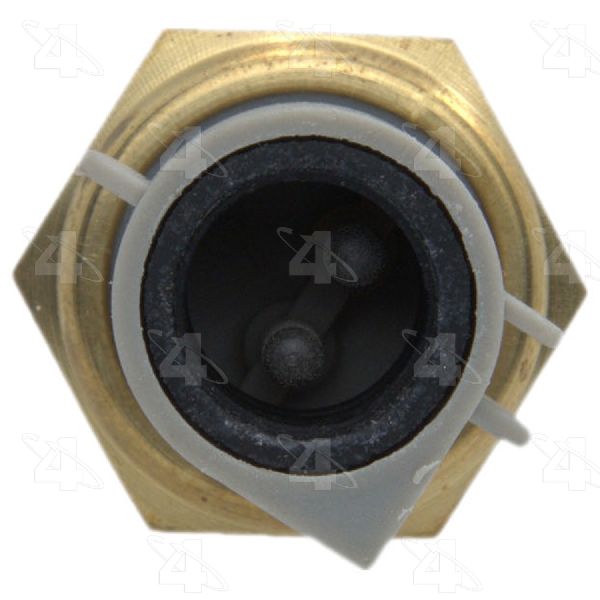
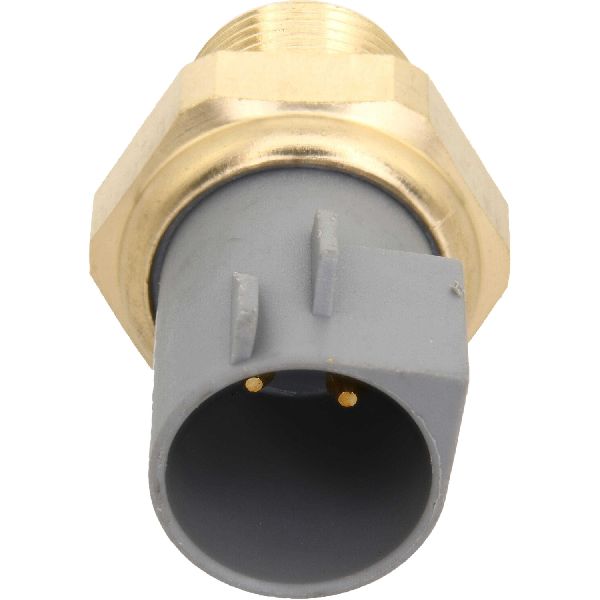
- ECT Sensor: This has a two-wire connector and communicates with the engine computer. A failure here affects engine performance.
- Temperature Sender: This has a single-wire connector and its only job is to operate the temperature gauge on your dashboard. A failure here will only cause an incorrect gauge reading.
Symptoms of a Failing ECT Sensor
When the ECT sensor fails, it often sends a false signal to the computer that the engine is always cold. This can cause a variety of noticeable problems:
- Poor Fuel Economy: The computer continuously provides a rich fuel mixture, thinking the engine is still warming up. This wastes gas.
- Black Smoke from Exhaust: A very rich fuel mixture may not burn completely, resulting in black smoke coming from the tailpipe.
- Rough Idle: The incorrect air-fuel ratio can make the engine idle poorly or shake.
- Hard Starting: The engine may be difficult to start, particularly when it's already warm, because the computer is providing the wrong fuel mixture for the conditions.
- Check Engine Light: A faulty sensor will often trigger the Check Engine Light on the dashboard.
- Engine Overheating: On some models, the ECU uses the ECT sensor's reading to decide when to turn on the electric cooling fans. A bad sensor might fail to activate the fans, leading to overheating in traffic.
Choosing the Right Aftermarket Sensor
Since original Ford parts for this era are largely obsolete, the aftermarket is your primary source. Quality is important, as a cheap, inaccurate sensor can cause the same problems as a failed one. Aftermarket sensors are not all built to the same standard.
Here is a general breakdown of the available brands:
- Premium Tier (OEM Quality): Brands like Delphi, NGK, and Standard Ignition (SMP) have a strong reputation for producing reliable sensors that perform to original equipment specifications. Delphi is a known OEM supplier for many car manufacturers. These are a solid choice for owners who want fit-and-forget reliability.
- Mid-Grade Tier: Brands like Holstein and Four Seasons offer a good balance of quality and value. They are generally considered reliable replacements for daily drivers.
- Value Tier: Brands like Global Parts and True Tech are budget-friendly options. While functional, they may not offer the same long-term durability or precise calibration as premium brands.
Known Issues, Recalls, and Bulletins
Searches of the National Highway Traffic Safety Administration (NHTSA) database show no official recalls or technical service bulletins (TSBs) specifically for the engine coolant temperature sensor on the 1980-1987 Mercury Capri. This indicates that sensor failure is not a widespread, recognized safety defect but rather a standard maintenance issue that occurs over time.
| Brand Tier | Price Range |
|---|---|
| Value | $12.13 - $25.00 |
| Mid-Grade | $25.00 - $40.00 |
| Premium | $40.00 - $56.45 |
Frequently Asked Questions (FAQ)
Where is the ECT sensor located on my Capri?
The location varies by engine. It is typically screwed into the lower intake manifold or near the thermostat housing. For example, on many 5.0L V8 engines, it is found on a coolant passage pipe (or "tree") near the front of the intake. You will need to identify it by its two-wire electrical connector.
Can I replace the ECT sensor myself?
Yes, this is a DIY-friendly job for most home mechanics. It requires basic hand tools. You will need to drain a small amount of coolant before starting to avoid a mess. The process involves unplugging the connector, unscrewing the old sensor, and installing the new one. The entire job usually takes less than an hour.
Will a bad ECT sensor make my car overheat?
It can. If your Capri uses the ECU to control the electric radiator fans, a bad sensor that reads "cold" all the time may prevent the fans from turning on when needed, such as in stop-and-go traffic. This can lead to the engine overheating.
Do I need a special tool to replace the sensor?
Usually, a standard deep-well socket or a wrench will work. The hex size can vary, but it is not a specialty tool. Make sure the engine is completely cool before attempting to open any part of the cooling system.
Technical Specifications
The key specification is the sensor's resistance curve, which must match the original Ford specifications for the vehicle's ECU. Aftermarket sensors are designed to replicate this. The connector type is a two-terminal female plug. Thread size is commonly 3/8" - 18 NPTF.
We Have This Part in Stock

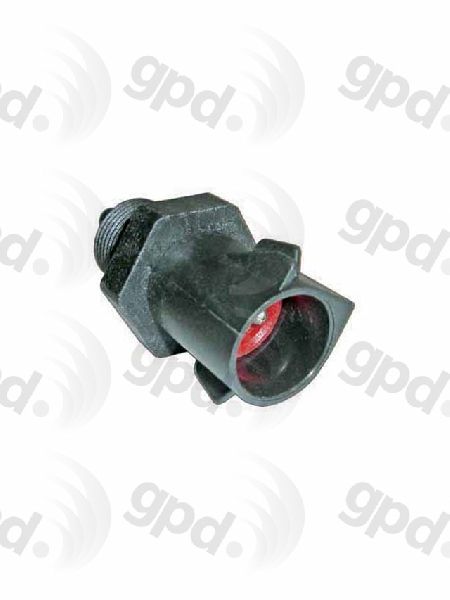

The information in this article is provided for general reference and educational purposes only. Vehicle specifications, procedures, and part compatibility can vary by production date, trim level, and region. Always consult your vehicle's factory service manual and verify part numbers before purchasing or performing repairs. Safety-critical components such as airbags, seat belts, and braking systems should be installed by a qualified professional.
- Mercury Capri: