

Toyota Corolla Oxygen Sensor Guide: 1980-1987
Get your classic Corolla running smoothly by understanding and replacing its oxygen sensor.
- Your 1980-1987 Corolla has a single, one-wire oxygen sensor in the exhaust manifold that is critical for fuel economy and performance.
- Symptoms of failure include poor gas mileage, rough idle, and failing an emissions test.
- Replacement is a simple DIY job, but using penetrating oil and a special O2 sensor socket is highly recommended.
- Choosing a direct-fit sensor from a reputable brand like NGK or Bosch is a worthwhile investment for reliability.
Understanding the Oxygen Sensor in Your 1980-1987 Corolla
For a classic car like the 1980-1987 Toyota Corolla, the oxygen sensor is a key component for engine efficiency. These models typically use a single, non-heated, one-wire oxygen sensor located in the exhaust manifold. Its job is to constantly check the oxygen content in the exhaust gas. This feedback allows the engine computer—whether an early electronic fuel injection (EFI) system or a feedback carburetor system—to make real-time adjustments to the air-fuel ratio. A good sensor means better fuel mileage, lower emissions, and a happier engine.
Symptoms of a Failing Oxygen Sensor
Oxygen sensors don't last forever; they wear out from heat and contamination. When your Corolla's O2 sensor starts to fail, you'll likely notice several signs. Because a bad sensor can't provide accurate readings, the engine's computer can't properly adjust the fuel mixture, leading to performance issues.
- Poor Fuel Economy: One of the most common symptoms is a sudden drop in gas mileage.
- Rough Idle and Stalling: The engine may idle unevenly, shake, or even stall.
- Failed Emissions Test: A bad O2 sensor is a frequent cause of failing a state emissions inspection.
- Check Engine Light: While less common on the earliest models, a failing sensor can trigger a check engine light if your vehicle is equipped with one.
- Rotten Egg Smell: A strong smell of sulfur from the exhaust can indicate a rich fuel mixture caused by a bad sensor.
- Sluggish Performance: You might feel a lack of power or hesitation when you accelerate.
Can I Drive with a Bad Oxygen Sensor?
You can, but it's not recommended for long. Driving with a failing oxygen sensor can lead to poor engine performance, terrible fuel economy, and eventually damage your catalytic converter—a much more expensive repair. It's best to replace it as soon as you notice symptoms.
Choosing the Right Aftermarket Oxygen Sensor
For a vehicle of this age, original equipment manufacturer (OEM) parts are often discontinued or extremely expensive. Aftermarket parts are the most practical and affordable solution. The brands available offer a range of quality and price points.
Premium Brands (NGK, Bosch):
- NGK/NTK: Often considered a top-tier choice for Japanese vehicles, NGK (and its sensor brand NTK) is known for excellent quality and reliability that often meets or exceeds OEM standards.
- Bosch: A well-respected German brand, Bosch invented the oxygen sensor and produces high-quality, reliable parts. They are a solid choice, though some forum users note a preference for NGK or Denso in Toyota vehicles.
Standard Brands (Delphi, Walker Products):
- Delphi: A reputable manufacturer that produces a wide range of quality automotive components.
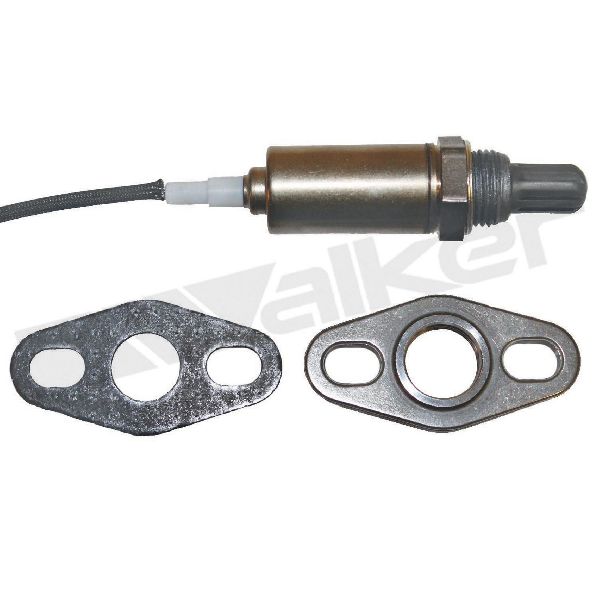
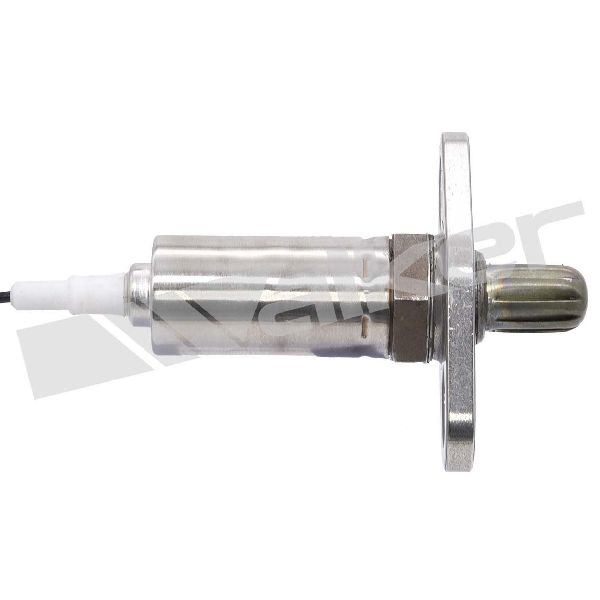
- Walker Products: Known for making direct-fit replacement parts that install easily. Owner reviews are generally positive, citing good value, though some mention concerns about long-term durability compared to premium brands.
Economy Brands (Spectra):
- Spectra: This brand often provides the most budget-friendly option. While it can be a functional replacement to get your car running properly, some mechanics express concern that economy sensors may not last as long or perform as consistently as premium brands.
Pro Tip: For critical sensors like the O2 sensor, investing in a premium or standard brand like NGK or Bosch is often worth the small extra cost for better long-term reliability and performance.
| Tier | Brands | Estimated Price |
|---|---|---|
| Premium | Bosch, NGK | $40 - $60 |
| Standard | Delphi, Walker Products | $30 - $45 |
| Economy | Spectra | $22 - $35 |
Frequently Asked Questions (FAQ)
How many oxygen sensors does my 1980-1987 Corolla have?
Your Corolla from this generation has only one oxygen sensor. It is an "upstream" sensor located in the exhaust manifold, before the catalytic converter.
Is replacing the oxygen sensor a DIY job?
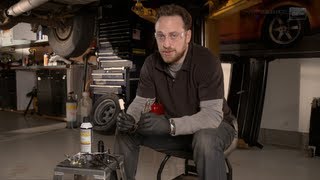
Yes, this is a very feasible DIY job for most home mechanics. 🎬 Watch this step-by-step guide on how to replace an oxygen sensor. The sensor is usually easy to access in the engine bay. The main challenge can be removing the old sensor if it's rusted in place. Using a special oxygen sensor socket and some penetrating oil will make the job much easier.
Do I need a special tool to replace the O2 sensor?
A special O2 sensor socket is highly recommended. It has a slot cut into the side to fit over the sensor's wire. While a standard 22mm wrench can sometimes work, the socket provides a much better grip and reduces the risk of rounding off the old sensor.
What is the difference between a universal and direct-fit sensor?
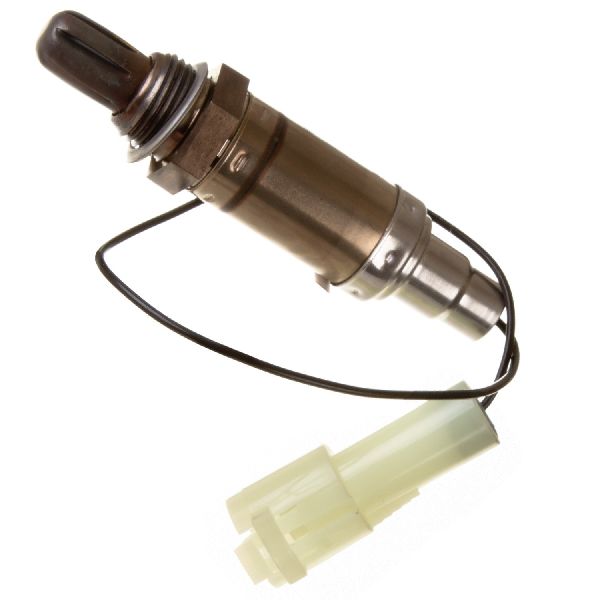
A direct-fit sensor comes with the correct plug to connect directly to your car's wiring harness. A universal sensor is cheaper but requires you to cut the old plug off and splice it onto the new sensor's wires. For a simple one-wire sensor like on this Corolla, splicing is easier, but a direct-fit part is always the most reliable and straightforward option.
Are there any recalls for the oxygen sensor on this Corolla?
No, searches of the NHTSA database found no recalls or technical service bulletins (TSBs) related to the oxygen sensor for the 1980-1987 Toyota Corolla. Any issues would be related to normal wear and tear due to the vehicle's age.
Helpful Videos
Technical Specifications
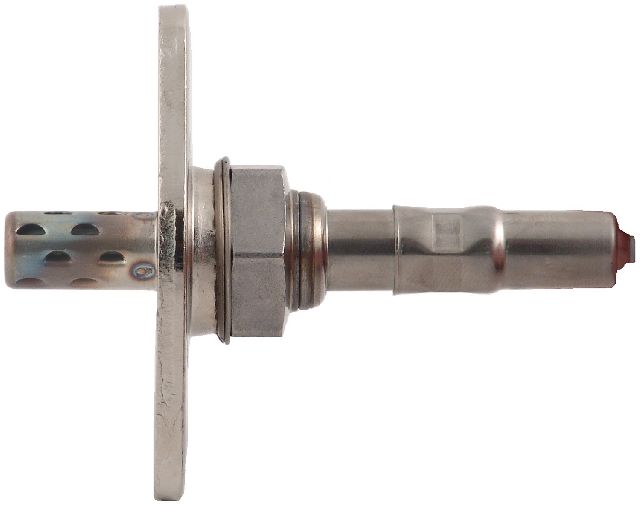
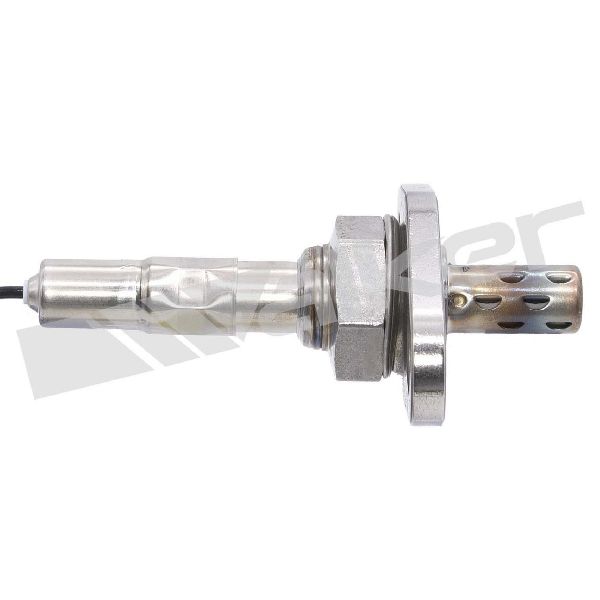
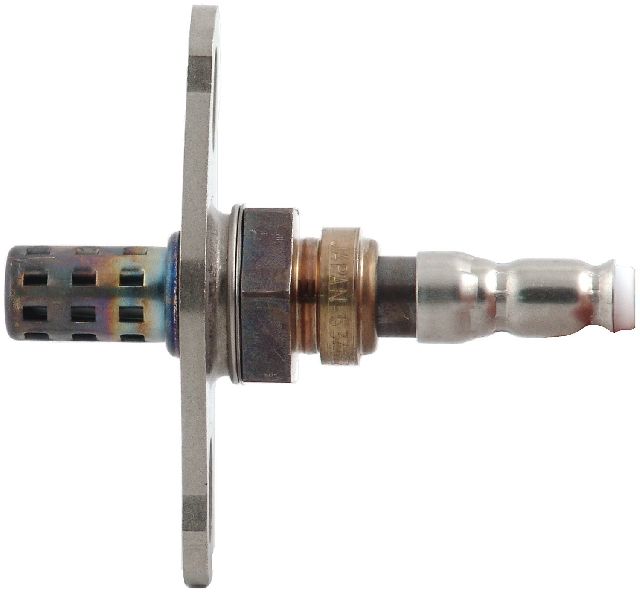
Your Corolla uses a single, upstream, non-heated, one-wire oxygen sensor.
We Have This Part in Stock

The information in this article is provided for general reference and educational purposes only. Vehicle specifications, procedures, and part compatibility can vary by production date, trim level, and region. Always consult your vehicle's factory service manual and verify part numbers before purchasing or performing repairs. Safety-critical components such as airbags, seat belts, and braking systems should be installed by a qualified professional.
- Toyota Corolla: