

A Practical Guide to the 1980-1988 Dodge Charger Alternator
Keep your classic L-Body Charger running strong by understanding its charging system and choosing the right replacement alternator.
- Always test the battery and check for loose belts or corroded cables before replacing the alternator.
- For a stock vehicle, a standard replacement from a reputable brand like Remy or ACDelco is a reliable choice.
- If you have added electronics like a large stereo, consider a high-output alternator from Powermaster to meet the demand.
- No recalls or major Technical Service Bulletins (TSBs) exist for the alternator on this specific vehicle generation.
Is Your Dodge Charger Alternator Failing?
An alternator rarely fails without warning. For the 1980-1988 Dodge Charger and its L-Body cousins like the Omni, the signs are usually straightforward. If you notice any of these issues, it's time to inspect your charging system.
- Dimming Headlights: Your headlights and dashboard lights may flicker or appear dim, especially at idle. This is a classic sign that the alternator isn't producing enough power.
- Battery Warning Light: A battery or 'ALT' light on your dashboard is a direct signal from the car that the charging system has a problem.
- Whining or Grinding Noises: Unusual sounds from the engine bay can point to worn-out bearings inside the alternator.
- Weak or Dead Battery: If your battery keeps dying even after being charged, the alternator is likely not recharging it while you drive.
Don't Blame the Alternator Yet
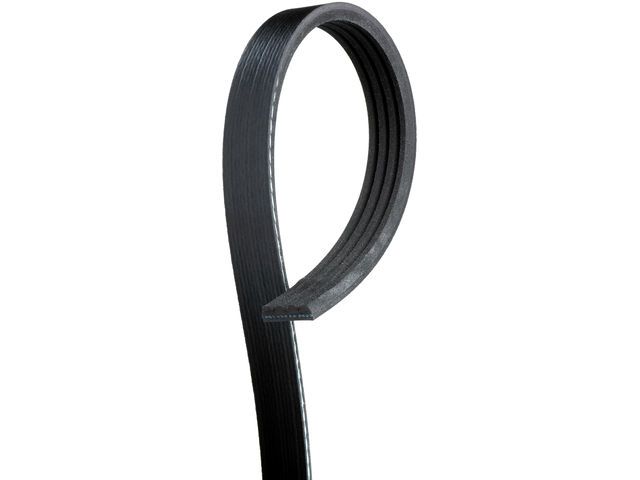
Before replacing the alternator, always check the simple things first. A loose or worn-out serpentine belt can't spin the alternator properly. Corroded battery terminals or a bad fusible link—a special wire that protects the circuit—can also prevent the battery from charging. Always test the battery itself; an old battery that can't hold a charge will act just like a bad alternator.
Choosing the Right Aftermarket Alternator
Since new Original Equipment (OEM) Mopar alternators for this generation are essentially unavailable, the aftermarket is your only option. Aftermarket parts are not all created equal, but many meet or exceed original specifications. Here’s a breakdown of the brands available for your Charger.
Brand Quality Tiers
- High-Performance (Upgrade): Powermaster is a well-known brand for high-output alternators. If you've added modern accessories like a powerful stereo, extra lighting, or other electronics, a Powermaster unit provides the extra amperage needed to power them without strain. While some users report long-term reliability, others have experienced premature failures, so it may be best suited for modified vehicles rather than stock restorations.
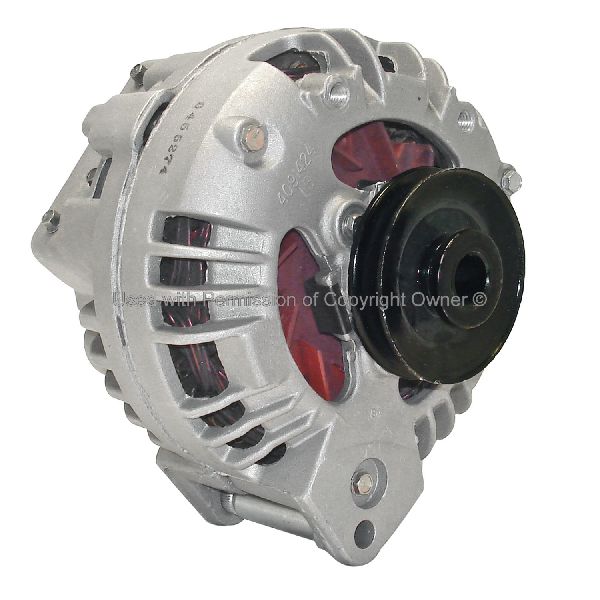
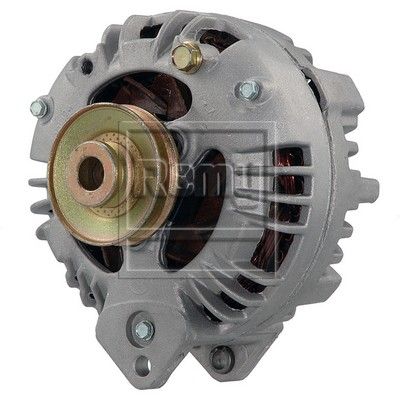
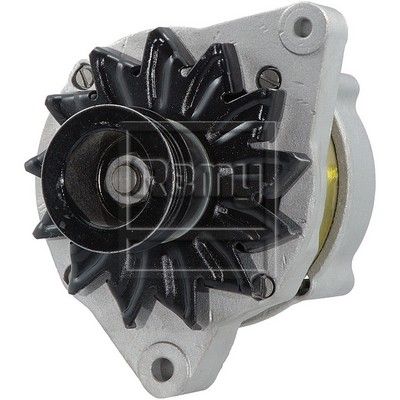
- OEM-Quality Replacement: Remy and ACDelco are reputable brands that offer reliable, standard-output alternators. Remy was once part of GM's Delco-Remy division and has a long history of making quality electrical parts. ACDelco, while a GM brand, is widely considered a top-tier choice for OEM-quality replacement parts on many makes and models. For a stock 1980-1988 Charger, either of these brands is a solid, dependable choice.
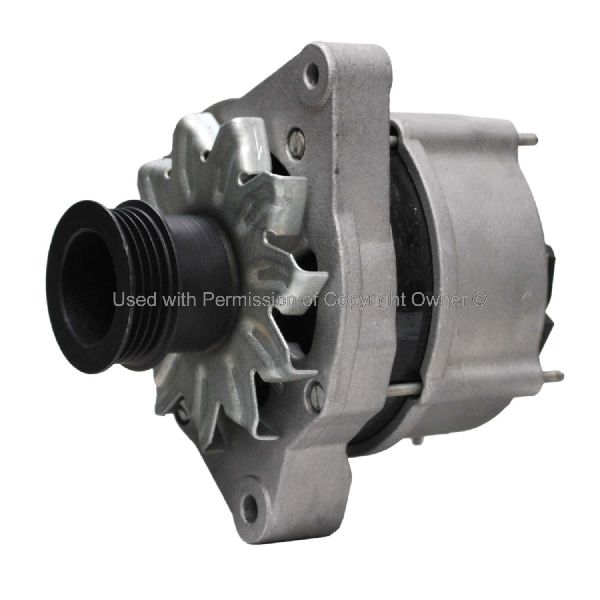
- Value-Oriented: MPA (Motorcar Parts of America), which produces the Quality-Built and Pure Energy lines, offers a more budget-friendly option. They manufacture both new and remanufactured units that are designed to meet or exceed original specifications and are widely available. These are a good choice for daily drivers or budget-conscious repairs.
Pro Tip: Consider a Nippon Denso Upgrade
Owners of L-body cars like the Charger often find the original Chrysler alternator to be undersized. A popular and reliable upgrade is to swap in a 90-amp alternator from Nippon Denso. This requires a different mounting bracket and wiring harness adapter but provides a significant boost in reliability and output, solving issues like dimming lights permanently.
Replacement Cost for a 1980-1988 Dodge Charger Alternator
The cost to replace the alternator on your Charger will vary based on the part you choose and whether you do the work yourself. The job is straightforward for a DIY mechanic.
| Item | Estimated Cost |
|---|---|
| New Aftermarket Alternator | $37 - $224 |
| Shop Labor | $100 - $250 |
| Total Estimated Cost (Installed) | $137 - $474 |
Frequently Asked Questions
Is it hard to replace the alternator on a 1980-1988 Charger?
No, it is a relatively easy job for a DIY mechanic. The alternator is typically located near the top of the engine and is held on by a few bolts. The process involves disconnecting the battery, loosening the drive belt, unbolting the old alternator, and installing the new one. Basic hand tools are all that's required.
Do I need a high-output alternator?
For a stock vehicle with no added electronics, a standard-output alternator is perfectly fine. If you have installed a large sound system, auxiliary lights, or other power-hungry accessories, a high-output alternator from a brand like Powermaster is a wise investment to handle the extra electrical load.
What is a 'fusible link' and why does it matter?
A fusible link is a short piece of special wire designed to act like a fuse for the high-current wire running from the alternator. If there's a major short circuit, this link burns out to protect the rest of the electrical system. If your new alternator doesn't seem to be charging the battery, a blown fusible link could be the culprit.
Are there any recalls for the 1980-1988 Dodge Charger alternator?
No, a search of the National Highway Traffic Safety Administration (NHTSA) database shows no recalls specifically for the alternator on the 1980-1988 Dodge Charger. Any recalls for Dodge Chargers you may find are for much newer models.
Technical Specifications
OEM Part Numbers: 4111982 4342438 5214350
Common amperage ratings for the 1980-1988 Dodge Charger were between 60 and 78 amps. Most models used an alternator with an external voltage regulator, though some later or higher-output versions may have had an internal regulator. The pulley type is a V-Belt.
We Have This Part in Stock

The information in this article is provided for general reference and educational purposes only. Vehicle specifications, procedures, and part compatibility can vary by production date, trim level, and region. Always consult your vehicle's factory service manual and verify part numbers before purchasing or performing repairs. Safety-critical components such as airbags, seat belts, and braking systems should be installed by a qualified professional.
- Dodge Charger: