

Dodge Charger (1980-1988) Ignition Coil Replacement Guide
Solving rough idle, misfires, or starting issues on your 1980-1988 Dodge Charger starts with the ignition coil.
- A failing coil on this Charger will cause obvious issues like rough running, misfiring, and hard starting.
- Check for OBD1 Fault Code 43 to help confirm an ignition circuit problem before buying parts.
- For reliability on a stock engine, choose a standard replacement from NGK or Standard Ignition over a high-performance brand.
- This is a very simple DIY replacement that requires only basic tools and less than 30 minutes.
Symptoms of a Failing Ignition Coil
An ignition coil rarely fails without warning. For the 1980-1988 Dodge Charger, a bad coil will cause noticeable engine problems. Look out for these common signs:
- Engine Misfires or Stumbling: The engine may jerk, hesitate, or run unevenly, especially when you accelerate. This feels like a sputter or a loss of power.
- Rough Idle: Your Charger might shake or vibrate more than usual when stopped at a light or idling in park.
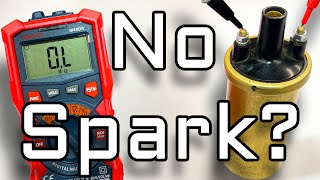
- Hard Starting or No Start: A weak or dead coil can make the engine turn over for a long time before it starts, or prevent it from starting at all. 🎬 Watch: How to diagnose a no-start condition caused by no spark.
- Poor Fuel Economy: When the coil is weak, the engine burns fuel less efficiently, meaning you'll be filling up the tank more often.
- Check Engine Light: Your vehicle is equipped with an early diagnostic system (OBD1). A failing coil can trigger a fault code and illuminate the check engine light.
- Gas Smell from Exhaust: A weak spark means not all the fuel gets burned in the cylinder. This unburnt fuel travels into the exhaust, which can sometimes be smelled.
Check for Fault Codes
Your Charger uses an OBD1 diagnostic system. A faulty ignition coil circuit can trigger Fault Code 43. Checking for codes can help confirm the coil is the source of your problem before you replace it.
🎬 See how to test your ignition coil using a multimeter.Choosing the Right Aftermarket Ignition Coil
Since new original equipment (OEM) Mopar coils for this vehicle are largely unavailable, the aftermarket is your primary source. Not all brands are created equal. They generally fall into three tiers for your Charger.
Tier 1: Reliable OEM-Style Replacements
These brands focus on meeting or exceeding original factory specifications for reliability and longevity. They are the best choice for a daily driver or stock restoration.
- NGK: Widely respected for quality and reliability. NGK often engineers its parts to fix common failures in the original designs, such as using more durable housing materials or corrosion-resistant terminals.
- Standard Ignition (SMP): A long-established brand known for producing dependable, OE-quality replacement parts that fit and function correctly.
Tier 2: Budget & Performance-Lite Options
These brands can offer a good value or a slight performance edge, but quality can be inconsistent.
- Accel: A well-known performance brand that has been around for decades. Some users report better starting and throttle response. However, reviews are mixed, with some mentioning quality control issues like coils failing prematurely. A viable option, but be aware of the mixed reputation.
- Spectra / Global Parts: Generally considered budget-friendly options that will get the job done. Quality is typically aligned with their lower price point compared to premium brands.
A Note on "High-Performance" Coils
For a stock or lightly modified 2.2L engine, a high-voltage coil offers little to no real-world benefit. The stock ignition system is more than adequate. Reliability should be your top priority.
Tier 3: For Specific High-Performance Builds
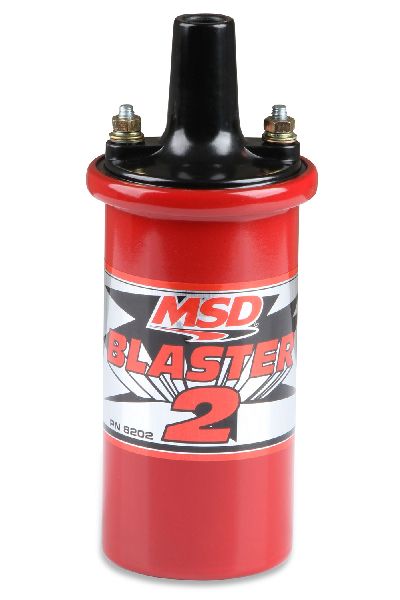
- MSD: MSD is a top name in racing, but their parts are often designed for that specific purpose. Multiple forums show that MSD components can have a shorter lifespan in daily-driven street cars compared to stock-style parts. Only consider an MSD coil if it's part of a complete, high-output ignition system upgrade on a heavily modified engine.
Cost to Replace a Dodge Charger Ignition Coil
| Part Type | Price Range |
|---|---|
| New Aftermarket | $20.40 - $85.56 |
| Shop Labor | $60 - $120 |
| New OEM | Unavailable |
(Labor costs are estimates and vary by location. The job is simple and should take a professional less than 30 minutes.)
Frequently Asked Questions
Is it hard to replace the ignition coil myself?
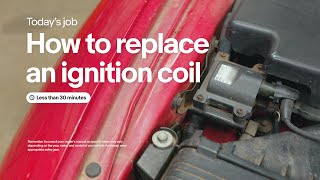
No, this is a very easy job for a DIYer. The coil is typically mounted on the fender or firewall and is easily accessible. It involves disconnecting the electrical connectors and the main coil wire, unbolting the old coil, and bolting the new one in its place. Basic hand tools are all that's required.
🎬 Watch this quick walkthrough on how to replace an ignition coil.Do I need a special "high-output" coil?
For a stock engine, no. A standard replacement coil from a quality brand like NGK or Standard Ignition is all you need. High-output coils are designed for racing engines with significantly modified fuel and ignition systems and may offer no benefit on a stock car.
Should I replace my spark plug wires at the same time?
It's a good idea. Old, worn-out spark plug wires have higher resistance, which can strain the new ignition coil and cause it to fail prematurely. Replacing the wires, distributor cap, and rotor along with the coil is good preventative maintenance.
What is the difference between an oil-filled coil and an epoxy coil?
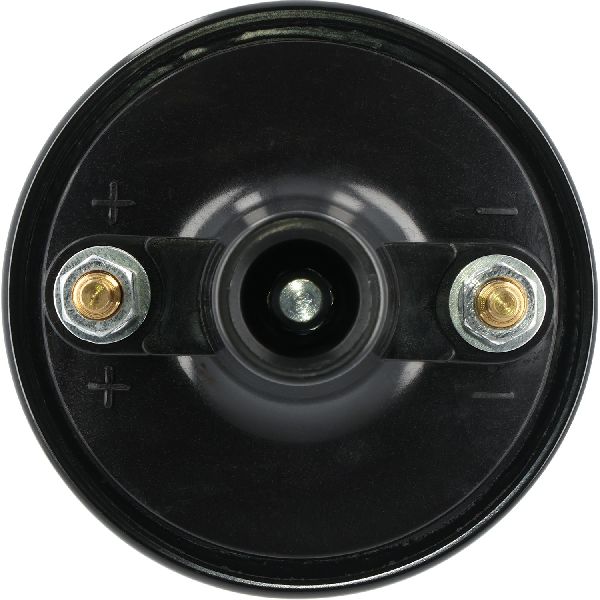
Your Charger originally came with an oil-filled canister coil. The oil helps cool the coil's internal windings. Some aftermarket coils are filled with epoxy. Both work, but for originality and proven technology for this vehicle, a quality oil-filled coil is a safe bet.
Helpful Videos
Technical Specifications
Coil Style: Canister, Oil-Filled Voltage: 12V Related Diagnostic Code: OBD1 Code 43 (Ignition Coil Circuit Failure)
We Have This Part in Stock


The information in this article is provided for general reference and educational purposes only. Vehicle specifications, procedures, and part compatibility can vary by production date, trim level, and region. Always consult your vehicle's factory service manual and verify part numbers before purchasing or performing repairs. Safety-critical components such as airbags, seat belts, and braking systems should be installed by a qualified professional.
- Dodge Charger:
- 🎬 Helpful Videos
- 🛍️ Shop This Part
- Symptoms of a Failing Ignition Coil
- Check for Fault Codes
- Choosing the Right Aftermarket Ignition Coil
- Tier 1: Reliable OEM-Style Replacements
- Tier 2: Budget & Performance-Lite Options
- A Note on "High-Performance" Coils
- Tier 3: For Specific High-Performance Builds
- Cost to Replace a Dodge Charger Ignition Coil
- Frequently Asked Questions
- 🎟️ Get 5% Off