

A Comprehensive Guide to the 1980-1988 Dodge D100 Mechanical Fuel Pump
Keep your classic Dodge running strong by understanding and choosing the right mechanical fuel pump for your carbureted engine.
- A failing pump can leak fuel into the engine oil; check your oil for a gasoline smell if you suspect a bad pump.
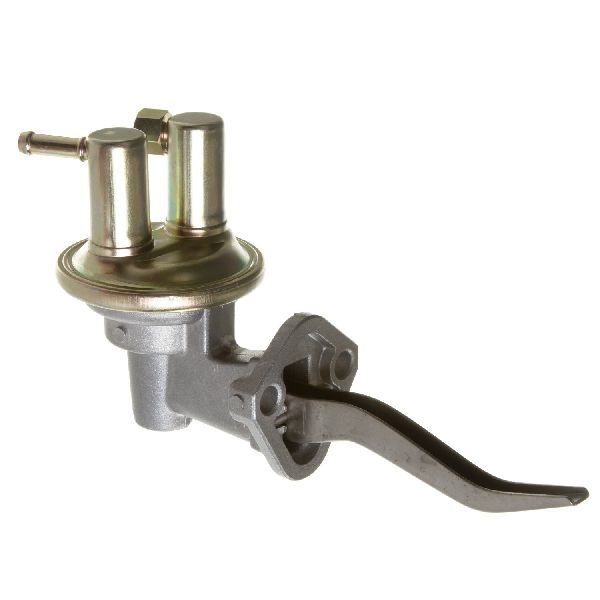
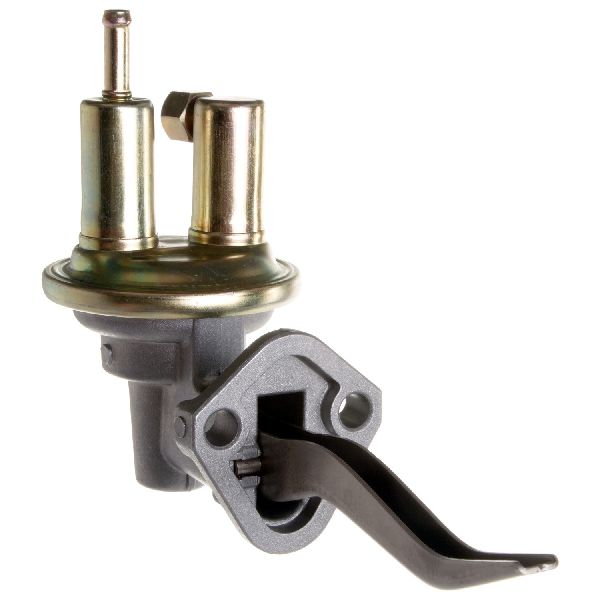
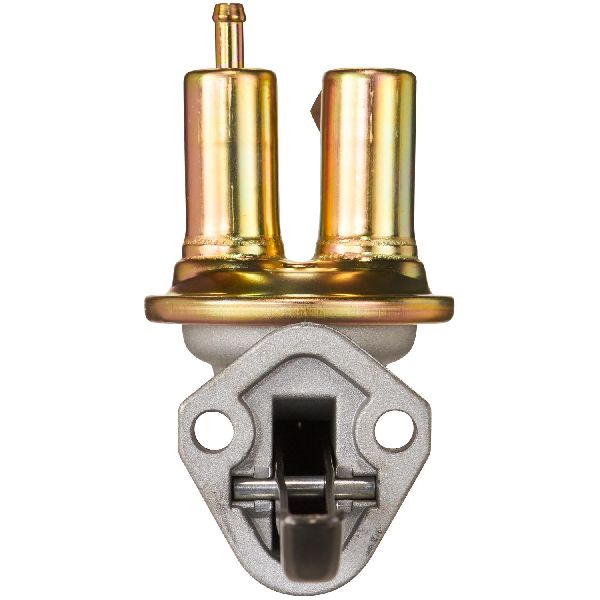
- Before installing, compare the new pump's lever arm to the old one to ensure they are the same length and shape.
- For stock applications, a reputable brand like Carter is a reliable choice trusted by other Mopar owners.
- Be prepared that some aftermarket pumps might require an external fuel pressure regulator if they cause flooding issues.
Symptoms of a Failing Mechanical Fuel Pump
A failing fuel pump in your Dodge D100 will give you clear signs. Because it's a mechanical part, it tends to wear out gradually before it fails completely. Watch for these common symptoms:
- Engine Sputtering or Hesitation: The truck may sputter or hesitate when you accelerate, especially under load like going up a hill. This happens because the weak pump can't supply the extra fuel the engine demands.
- Hard Starting or Long Cranking: If the pump is weak, it may take longer for it to build enough pressure to send fuel to the carburetor, resulting in long crank times before the engine fires up.
- Loss of Power: Your truck might feel sluggish or down on power, struggling to maintain speed.
- Stalling: The engine may stall, particularly when it's warm, and might restart after cooling down for a few minutes. This can be a sign of the pump overheating.
- Visible Fuel Leak: This is a critical symptom. A leak from the pump body, especially from a small 'weep hole', indicates the internal diaphragm has failed. This is a serious fire hazard.
- Gas in the Engine Oil: A failed diaphragm can also leak fuel directly into the engine crankcase, contaminating your oil. If your oil level rises unexpectedly or smells strongly of gasoline, inspect the pump immediately.
Choosing the Right Aftermarket Fuel Pump
For a vehicle of this age, new OEM Mopar pumps are generally not available. The aftermarket offers a wide selection of new mechanical fuel pumps that meet or exceed original specifications. They fall into a few general tiers based on reputation and intended use.
Tier 1: Reputable OE-Style Replacements
These brands have a long history and are well-regarded by mechanics and classic truck owners. They are an excellent choice for a stock or lightly modified D100.
- Carter: Often considered the go-to brand for classic Mopar applications. In forum polls, owners show a strong preference for Carter due to its reputation for reliability and proper fit. Carter pumps are designed to meet or exceed original requirements.
- Delphi: A massive company that is a direct OE supplier for many automakers. While their reputation is strong, some reviews for their mechanical pumps are mixed, with occasional reports of early failure or incorrect pressure for older carbureted systems. Still, they are generally considered a quality choice.
Tier 2: Performance Brands
If your D100 has engine modifications, a performance pump might be a good option. For a stock truck, they are usually not necessary.
- Edelbrock: A well-known performance brand. Their pumps are high-quality, often feature higher flow rates, and can sometimes be adjusted (clocked) for better fuel line routing. They are a great choice for modified engines but may be overkill for a standard daily driver.
Tier 3: Budget-Friendly Options
These brands offer a lower price point, but their long-term reliability can be inconsistent based on user reviews.
- Spectra, GMB, US Motor Works: These brands provide functional replacements and are widely available. However, finding specific, long-term reviews for them on a Dodge D100 is difficult. While they market themselves as quality parts, some user reviews mention issues with longevity or build quality on other applications. They can be a viable option if budget is the primary concern, but be aware of the potential for a shorter service life compared to top-tier brands.
Aftermarket Mechanical Fuel Pump Cost
| Brand Category | Estimated Price Range |
|---|---|
| Reputable OE-Style (Carter, Delphi) | $45 - $60 |
| Budget-Friendly (Spectra, GMB, etc.) | $35 - $50 |
| Performance (Edelbrock) | $100+ |
Known Issues, Recalls, and TSBs
For the 1980-1988 Dodge D100, there are no known recalls or Technical Service Bulletins (TSBs) directly related to the mechanical fuel pump. Searches on the NHTSA database show recalls for this model year related to fuel tanks and hoses, but not the pump itself. The most common 'issue' reported by owners is the natural wear and tear of the part over decades of service.
Frequently Asked Questions (FAQ)
Do I need a fuel pressure regulator with a new pump?
Maybe. Most stock replacement pumps are designed to output pressure that is safe for your factory carburetor (typically 4-7 PSI). However, some aftermarket pumps, especially performance models, can produce higher pressure that may overwhelm the carburetor's needle and seat, causing flooding. If you experience this after installing a new pump, adding an inline fuel pressure regulator is a simple fix.
Is replacing the fuel pump a DIY job?
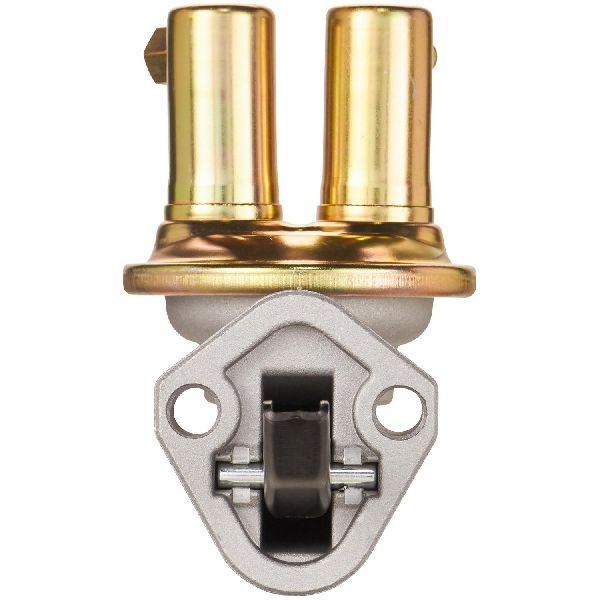
Yes, for someone with basic mechanical skills. The pump is typically held to the side of the engine block by two bolts. The process involves disconnecting the fuel lines, unbolting the old pump, cleaning the mounting surface, and installing the new pump with a fresh gasket. It can be tricky to get the pump's lever arm correctly positioned on the camshaft eccentric, and a helper can make the job easier.
What is the most common mistake when ordering?
The most common mistake is ordering the wrong pump for your engine. The Dodge D100 came with different engines (Slant-6 and V8s), and the fuel pumps are not always interchangeable. Always verify the pump is correct for your specific engine. Also, some 1988 models came with throttle-body fuel injection, which uses an electric fuel pump in the tank, not a mechanical one on the engine. Be sure your truck is carbureted before ordering this part.
What's the difference between a 2-port and 3-port pump?
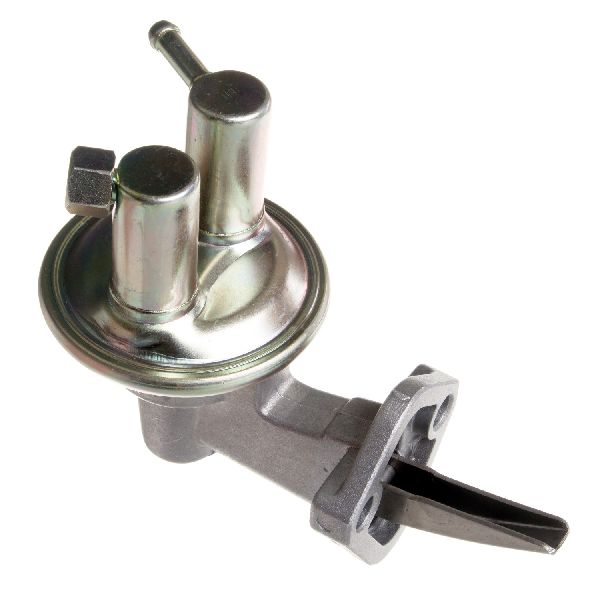
Some D100s used a 3-port fuel pump. The third port is for a fuel return line back to the tank. This was an early form of vapor-lock prevention. If your old pump has three connections, you must replace it with another 3-port pump for the system to function correctly. If it only has two (inlet and outlet), use a 2-port replacement.
Technical Specifications
Engine-mounted, camshaft-actuated diaphragm pump. Available in 2-port (inlet/outlet) and 3-port (with vapor return) configurations depending on the original vehicle setup. Typical operating pressure is 4-7 PSI.
We Have This Part in Stock

The information in this article is provided for general reference and educational purposes only. Vehicle specifications, procedures, and part compatibility can vary by production date, trim level, and region. Always consult your vehicle's factory service manual and verify part numbers before purchasing or performing repairs. Safety-critical components such as airbags, seat belts, and braking systems should be installed by a qualified professional.
- Dodge D100:
- 🛍️ Shop This Part
- Symptoms of a Failing Mechanical Fuel Pump
- Choosing the Right Aftermarket Fuel Pump
- Tier 1: Reputable OE-Style Replacements
- Tier 2: Performance Brands
- Tier 3: Budget-Friendly Options
- Aftermarket Mechanical Fuel Pump Cost
- Known Issues, Recalls, and TSBs
- Frequently Asked Questions (FAQ)
- 🎟️ Get 5% Off