

Throttle Position Sensor (TPS) for 1980-1989 Chevrolet Corvette
Understanding, diagnosing, and replacing the throttle position sensor on your C3 or C4 Corvette.
- A new TPS must be adjusted with a multimeter to the correct voltage (around 0.54V) at idle; this is not an optional step.
- Hesitation, erratic idle, and poor automatic transmission shifting are classic symptoms of a failing TPS on a C3/C4 Corvette.
- The specific TPS part is different for Cross-Fire (1982, 1984) and TPI (1985-1989) engines, so ensure you order for your exact year.
- While replacing the sensor, inspect the wiring connector for cracks or damage, as a bad connection can mimic a failed sensor.
Understanding Your Corvette's Throttle Position Sensor
The Throttle Position Sensor (TPS) on 1980-1989 Corvettes plays a vital role in how your engine performs. This period covers three distinct fuel system technologies, and the TPS function varies slightly between them.
- 1980-1981 (C3): The 1980 model may not have a TPS tied to a computer. However, the 1981 model introduced the "Computer Command Control" (CCC) system. This was GM's early effort at computer-controlled carburetors. 🎬 Learn more about the 1981 Computer Command Control system. The TPS informs the computer (ECM) about throttle angle, which the ECM uses to adjust the air-fuel mixture and ignition timing.
- 1982 & 1984 (C3/C4 Cross-Fire Injection): These model years used the L83 "Cross-Fire" throttle body injection system. The TPS is mounted to one of the two throttle bodies and is adjustable. A correct voltage setting is crucial for idle quality and overall performance on these unique engines.
- 1985-1989 (C4 Tuned Port Injection): The L98 engine with Tuned Port Injection (TPI) relies heavily on the TPS. It's an adjustable sensor mounted on the side of the throttle body. The ECM needs a precise signal from the TPS to manage fuel injection and, in automatic cars, torque converter lockup.
Symptoms of a Failing TPS on a Corvette
A bad or misadjusted TPS can cause a range of frustrating problems that might not always trigger a "Check Engine" light. Corvette owners often report these issues:
🎬 Watch a detailed breakdown of common throttle position sensor symptoms.- Hesitation or Stumbling: A noticeable pause or stumble when you first press the gas pedal. This is one of the most common symptoms.
- Erratic or High Idle: The engine may idle too high, too low, or the idle speed may wander up and down.
- Poor Acceleration: The car may feel sluggish or unresponsive to throttle input.
- Automatic Transmission Problems: On automatic cars, a bad TPS can cause harsh shifting or prevent the torque converter from locking up, which affects fuel economy at cruising speeds.
- Sudden Surging or Bucking: The car might unexpectedly surge or jerk while driving.
Critical: Adjustment is Required
For all 1981-1989 Corvettes, simply installing a new TPS is not enough. The sensor must be adjusted with a multimeter to send the correct voltage signal to the ECM at idle. Failure to perform this adjustment will result in continued or new performance problems. The target idle voltage is typically around 0.525 to 0.54 volts with the key on 🎬 See how to properly adjust your C4 TPS using a multimeter. and engine off.
Choosing the Right Aftermarket TPS
While an OEM part from the dealer is an option, several quality aftermarket brands are available. Given the age of these vehicles, aftermarket parts are often the most practical choice. Here’s a breakdown of the available brands:
| Brand Tier | Brands | Quality & Performance Assessment |
|---|---|---|
| OEM-Equivalent Quality | ACDelco, NGK | ACDelco is the original equipment manufacturer for GM, making it the benchmark for fit and function. NGK (also known as NTK for sensors) is a highly respected brand known for meeting or exceeding OEM standards and offers a good warranty. These are top choices for reliability. |
| Reputable Aftermarket | Standard Ignition (SMP) | Standard Motor Products is a long-standing, trusted name in aftermarket electronics. Their parts are generally considered reliable and a solid alternative to OEM. Forum discussions show many owners use SMP parts successfully. |
| Economy Options | Walker Products, Motorad | These brands provide a more budget-friendly option. While they are designed to meet OEM specifications, some user reviews across various product lines suggest occasional quality control issues. They can be a viable choice if budget is the primary concern, but check the warranty and return policy. |
Pro Tip: Check Your Connector
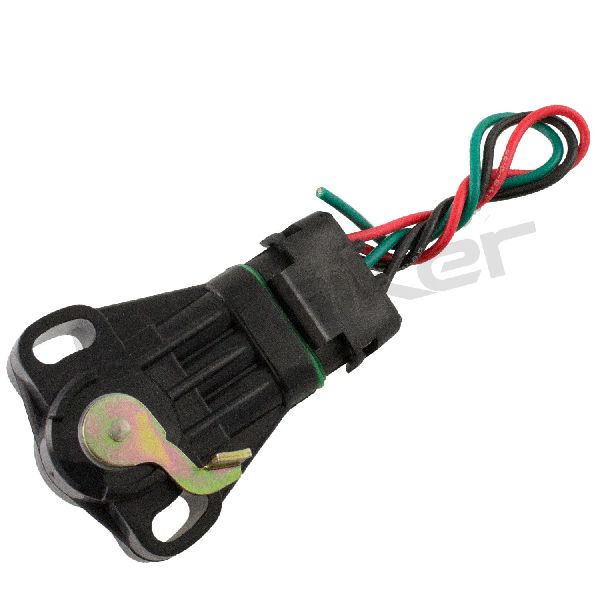
After decades of heat and use, the plastic electrical connector for the TPS can become brittle and cracked. While replacing the sensor, inspect the connector and wiring pigtail carefully. A poor connection will cause the same problems as a bad sensor. Replacing the pigtail is a wise investment if it shows any signs of damage.
Frequently Asked Questions (FAQ)
Do I need special tools to replace my Corvette's TPS?
You will need basic hand tools, a Torx driver (usually a T25) to remove the sensor screws, and a digital multimeter to perform the essential voltage adjustment. A set of back-probe pins or thin wires can make it easier to check the voltage without damaging the connector.
Are there any recalls for the 1980-1989 Corvette TPS?
No specific recalls for the throttle position sensor were found for this year range in the NHTSA database. Problems with the TPS are generally addressed through individual diagnosis and repair rather than a safety recall.
What's the difference between a TPS for a 1984 and a 1985 Corvette?
They are different parts due to the different fuel systems. The 1984 model uses the Cross-Fire Injection system, while the 1985 model uses the Tuned Port Injection (TPI) system. The throttle bodies and sensor mounting are different. Always ensure you are ordering the correct part for your specific model year.
Can I just unplug a bad TPS and drive the car?
It is not recommended. If the ECM does not receive a signal from the TPS, it will default to a 'limp' or 'open-loop' mode. This will cause the engine to run poorly, with a rich fuel mixture and fixed timing, resulting in bad performance and terrible fuel economy.
What are the common diagnostic trouble codes (DTCs) for a bad TPS?
On Corvettes with OBD-I diagnostics, you might see Code 21 for a TPS circuit fault. On later models or with more advanced scanners, codes like P0121 (Range/Performance), P0122 (Circuit Low Input), or P0123 (Circuit High Input) are common.
Helpful Videos

Technical Specifications
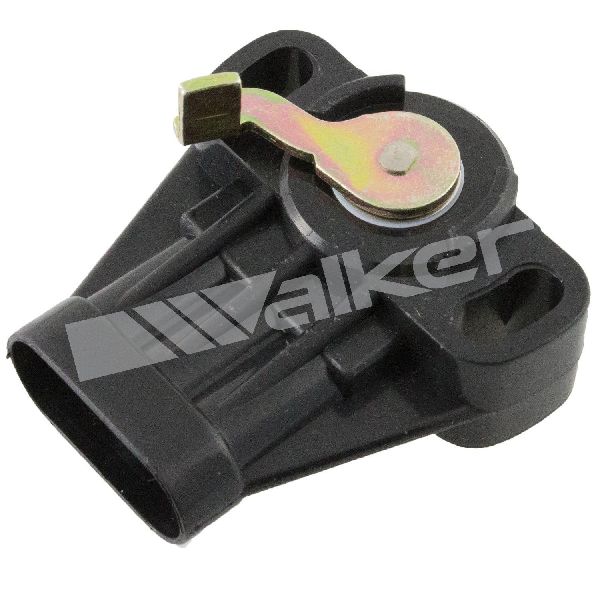
OEM Part Numbers: 17111606 17111262
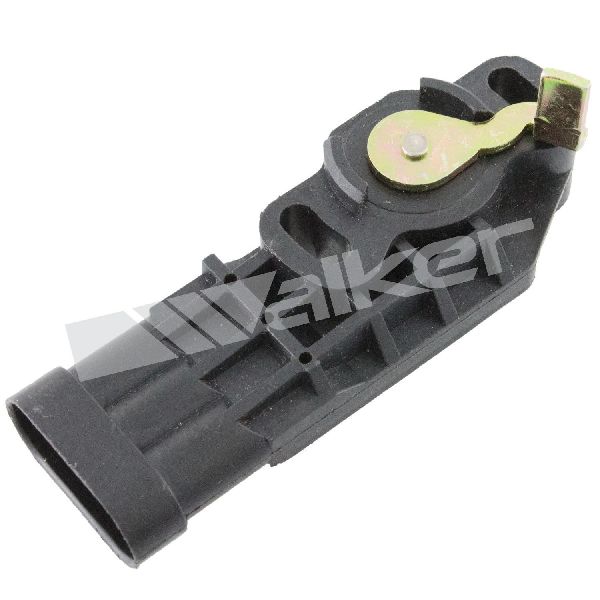
This is a 3-pin variable resistor sensor. It receives a 5-volt reference signal from the ECM and sends back a variable voltage signal between approximately 0.5V (idle) and 4.5-5.0V (wide-open throttle). Adjustment is made by physically rotating the sensor on the throttle body to achieve a specific voltage at idle.
We Have This Part in Stock


The information in this article is provided for general reference and educational purposes only. Vehicle specifications, procedures, and part compatibility can vary by production date, trim level, and region. Always consult your vehicle's factory service manual and verify part numbers before purchasing or performing repairs. Safety-critical components such as airbags, seat belts, and braking systems should be installed by a qualified professional.
- Chevrolet Corvette: