

Ford Bronco Oxygen Sensor Guide: 1980-1989 Models
A failing oxygen sensor is hurting your Bronco's fuel economy and performance; here's how to choose the right replacement.
- Most 1980-1989 Broncos use a single, easily accessible upstream oxygen sensor.
- Symptoms of failure include poor gas mileage, rough idle, and a Check Engine Light.
- Quality aftermarket brands like Bosch, NGK, and Denso are excellent, reliable choices for this truck.
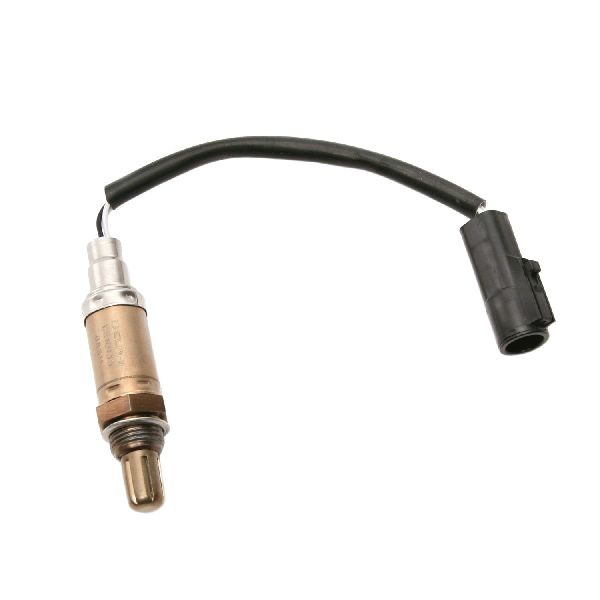
- Always choose a 'Direct Fit' sensor to avoid cutting and splicing wires.
Is Your Bronco Running Rough or Guzzling Gas? Check the O2 Sensor.
If your 1980-1989 Ford Bronco is experiencing poor fuel economy, a rough idle, or has failed an emissions test, a faulty oxygen sensor is a likely culprit. This small but vital sensor plays a big role in how your engine runs. Over time, these sensors wear out from heat and contamination, sending incorrect signals to the engine computer. Replacing a worn-out O2 sensor is a straightforward repair that can restore lost performance and fuel efficiency.
Symptoms of a Bad Oxygen Sensor
A bad O2 sensor won't leave you stranded, but it will cause noticeable problems. Look out for these common signs:
- Check Engine Light: This is the most common indicator of a sensor problem.
- Poor Fuel Economy: The engine computer may default to a rich fuel mixture, wasting gas.
- Rough Idle or Misfires: An incorrect air/fuel ratio can cause the engine to run poorly.
- Failed Emissions Test: An O2 sensor is essential for controlling harmful exhaust emissions.
- "Rotten Egg" Smell: A rich condition can overheat the catalytic converter, creating a sulfur smell.
Choosing the Right Aftermarket Oxygen Sensor
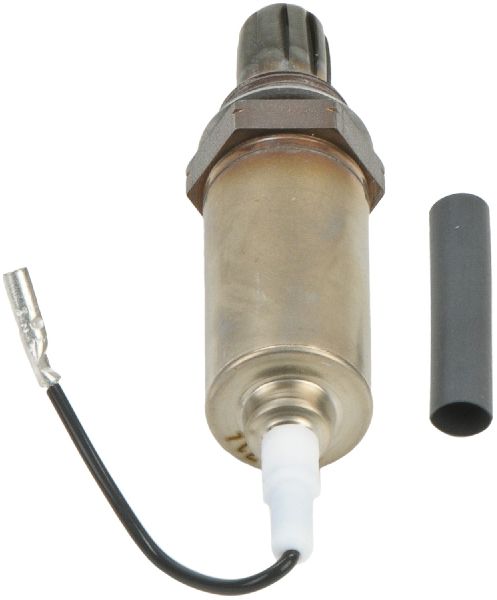
For a vehicle from this era, you don't necessarily need to hunt down a rare OEM part. The technology for these simple sensors is well-established, and many aftermarket brands provide excellent quality and value. Aftermarket sensors often come from the same manufacturers that supplied Ford originally. Your Bronco likely uses a simple, unheated one-wire or three-wire sensor.
Brand Tiers for Your Bronco
When shopping for a replacement, you'll find several trusted brands available:
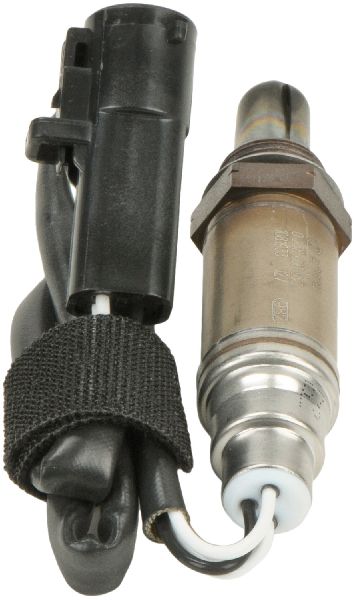
Premium Brands (Bosch, Denso, NGK/NTK): These companies are often the original equipment manufacturers for Ford and other automakers. Bosch, in fact, invented the automotive oxygen sensor. Choosing one of these brands is the closest you can get to the original part and ensures high quality and reliability.
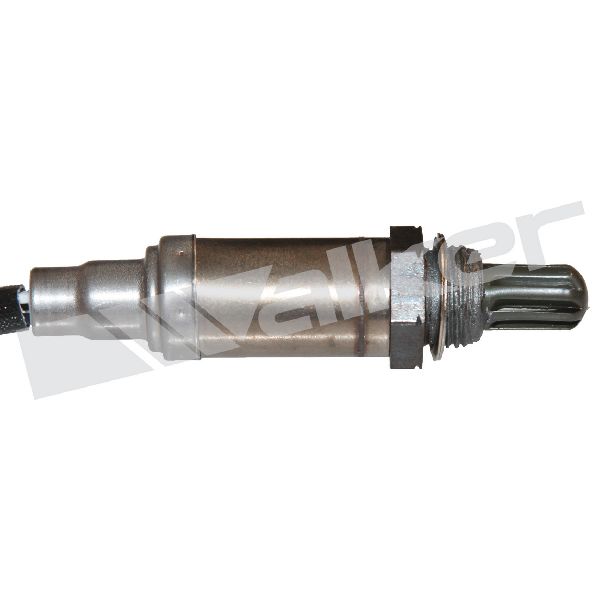
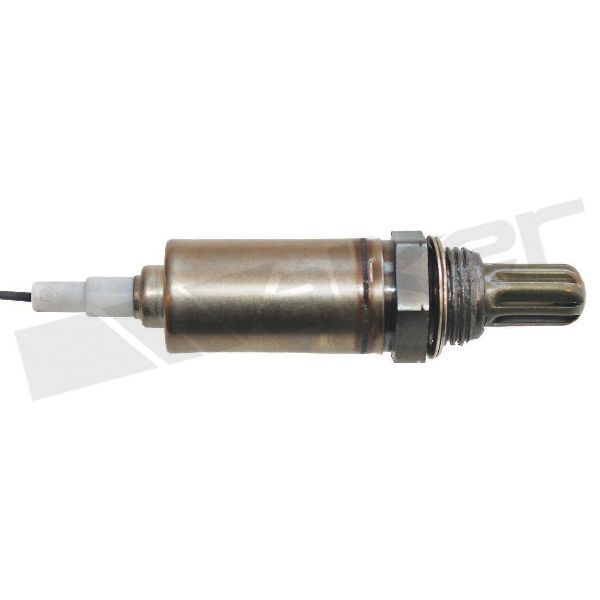
Standard/OE-Quality Brands (Delphi, Spectra, Walker Products): These brands offer a great balance of quality and price. They produce reliable sensors that meet or exceed original specifications and are a solid choice for daily drivers and work trucks.
Economy Brands (DriveWire): For those on a tighter budget, economy brands provide a functional replacement that will get your truck running properly. While they may not have the same longevity as premium brands, they are a cost-effective solution.
Pro Tip: Direct Fit vs. Universal
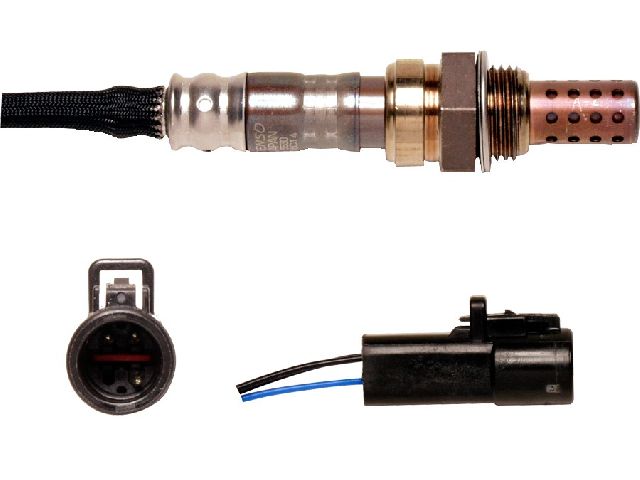
Always choose a "Direct Fit" sensor when possible. These come with the correct electrical connector for your Bronco, making installation a simple plug-and-play process. A "Universal" sensor will require you to cut and splice wires, which can create a point of failure if not done correctly.
Estimated Costs for Oxygen Sensor Replacement (1980-1989 Bronco)
| Part Type | Estimated Cost |
|---|---|
| New Aftermarket Oxygen Sensor | $21 - $73 |
| Shop Labor for Installation | $60 - $120 |
| Total DIY Cost | $21 - $73 |
| Total Professional Installation Cost | $81 - $193 |
Cost estimates are approximate and can vary by location and supplier.
Frequently Asked Questions
How many oxygen sensors does my 1980-1989 Bronco have?
Most Broncos from this generation have only one oxygen sensor. It is an "upstream" sensor located in the exhaust pipe before the catalytic converter.
Do I need a special tool for replacement?
Yes, it is highly recommended to use an oxygen sensor socket. This special socket has a slit on the side to accommodate the sensor's wire. Using one prevents damage to the wire and makes removing and installing the sensor in a tight space much easier.
What is the difference between a heated and unheated sensor?
Unheated sensors (1 or 2 wires) rely on hot exhaust gas to reach their operating temperature. Heated sensors (3 or 4 wires) have an internal heating element that warms them up much faster, allowing the engine computer to enter its efficient "closed-loop" mode sooner. Your Bronco likely came with an unheated sensor, but many universal and some direct-fit replacements are heated for better performance.
Can I just clean my old oxygen sensor?
Cleaning an O2 sensor is not a reliable fix. The sensor fails because its internal components wear out or become contaminated over tens of thousands of miles. Replacement is the only guaranteed solution to restore proper function.
Technical Specifications
OEM Part Numbers: E43Z-9F472-A E5SZ-9F472-A E6DZ-9F472-B F1UF-9F472-AA
Typically a single, unheated, 1-wire or 3-wire upstream sensor with an M18x1.5 thread size.
We Have This Part in Stock

The information in this article is provided for general reference and educational purposes only. Vehicle specifications, procedures, and part compatibility can vary by production date, trim level, and region. Always consult your vehicle's factory service manual and verify part numbers before purchasing or performing repairs. Safety-critical components such as airbags, seat belts, and braking systems should be installed by a qualified professional.
- Ford Bronco:
- 🛍️ Shop This Part
- Is Your Bronco Running Rough or Guzzling Gas? Check the O2 Sensor.
- Symptoms of a Bad Oxygen Sensor
- Choosing the Right Aftermarket Oxygen Sensor
- Brand Tiers for Your Bronco
- Pro Tip: Direct Fit vs. Universal
- Estimated Costs for Oxygen Sensor Replacement (1980-1989 Bronco)
- Frequently Asked Questions
- 🎟️ Get 5% Off