

Ford F-350 (1980-1989) Oxygen Sensor: Replacement and Brand Guide
Keep your classic F-350 running efficiently by understanding and choosing the right oxygen sensor for your truck's specific engine and year.
- Verify if your specific year and engine model has an O2 sensor; not all do.
- Most F-350s of this era have a single, unheated (1-wire) or heated (3-wire) upstream sensor.
- Choose a direct-fit replacement to avoid cutting and splicing wires; brands like NTK and Denso are highly recommended by other Ford truck owners.
- A bad sensor will hurt your fuel economy and can lead to more expensive catalytic converter damage if ignored.
Is My F-350 Supposed to Have an Oxygen Sensor?
Not every 1980-1989 Ford F-350 came from the factory with an oxygen sensor. The use of O2 sensors in Ford trucks began to be phased in during this period, often depending on the engine, fuel system, and original sales region (especially California). Generally, trucks with Electronic Fuel Injection (EFI), which became more common in the mid-to-late 80s with engines like the 5.0L, 5.8L, and 7.5L, will have at least one oxygen sensor. Some earlier models with a feedback carburetor system also used them. The simplest way to know is to check your exhaust system; you will typically find a single sensor threaded into the exhaust pipe before the catalytic converter.
Signs of a Failing Oxygen Sensor
A bad O2 sensor can't send the right signals to the engine computer, leading to a number of noticeable problems. Because the computer can't properly adjust the air/fuel mixture, the engine may run too rich (too much fuel) or too lean (not enough fuel). Common symptoms include:
- Poor Fuel Economy: This is one of the most common signs. An incorrect fuel mixture means you're wasting gas and stopping at the pump more often.
- Rough Idle or Stalling: The engine may shake, idle unevenly, or even stall because the combustion process is not stable.
- Hesitation and Misfires: You might notice a lack of power or a sputtering feeling when you accelerate.
- Check Engine Light: For later models in this range with more advanced diagnostics, a failing O2 sensor can trigger the Check Engine Light.
- Smell of Rotten Eggs or Gas: A rich-running engine can send unburned fuel into the exhaust, creating a distinct smell and potentially damaging the catalytic converter over time.
Don't Ignore the Signs
While you can technically drive with a bad oxygen sensor, it's not recommended. Continuing to drive will lead to poor performance and terrible gas mileage, and can eventually cause expensive damage to your catalytic converter.
Choosing the Right Aftermarket Oxygen Sensor
For a vehicle of this age, aftermarket parts are often the most practical and available choice. The quality of aftermarket sensors can be as good as the original equipment (OE), but it's wise to stick with reputable brands. Many owners of older Ford trucks report good experiences with brands like NTK and Denso, with some considering NTK to be the original equipment manufacturer for Ford during this era. Bosch is another major manufacturer, though some forum users prefer to avoid them for older American trucks, citing that they can be "lazy" or less responsive.
Brand Tiers for Your F-350
- Premium Brands (Recommended): NTK, Denso. These brands are often OE suppliers and are well-regarded for their quality and reliability in Ford applications. They are a solid choice for dependable performance.
- Quality Alternatives: Bosch, Delphi, Walker Products. These are established brands that offer direct-fit sensors. Bosch, in particular, is a massive OE supplier, but some enthusiasts prefer NTK or Denso for their specific trucks.
- Budget-Friendly Options: DriveWire, Spectra. These brands can provide a functional replacement at a lower price point, which can be a major consideration for an older work truck.
Direct-Fit vs. Universal Sensors
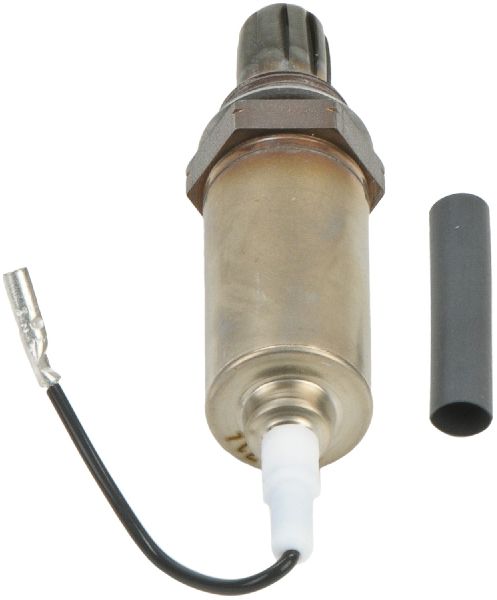
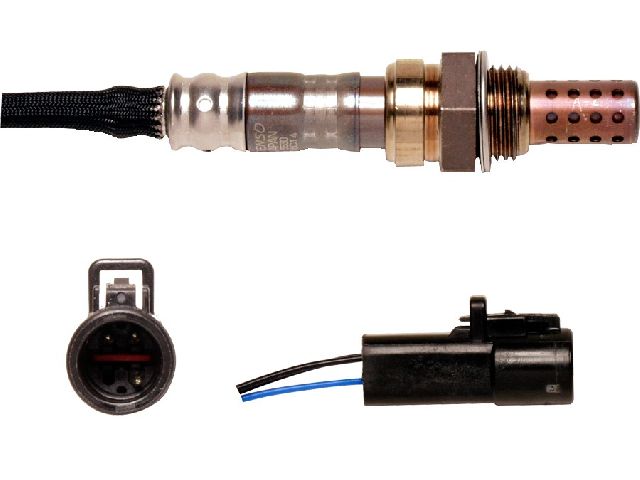
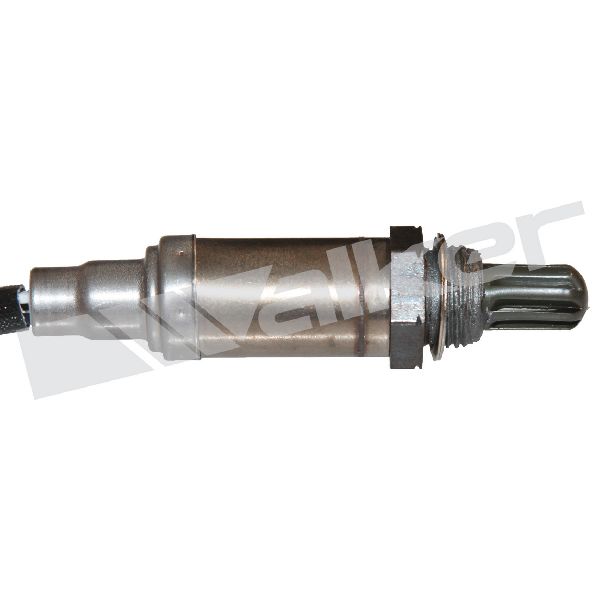
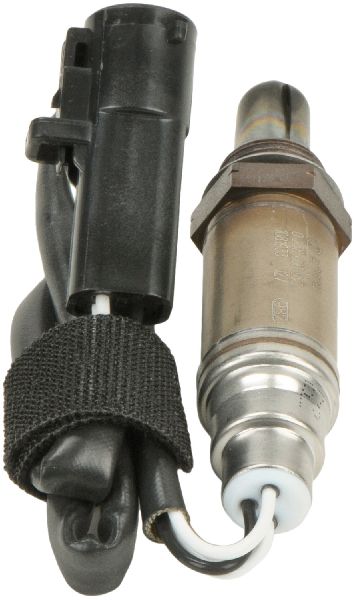
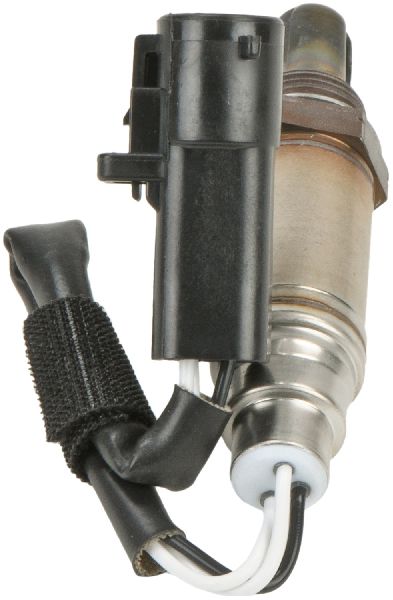
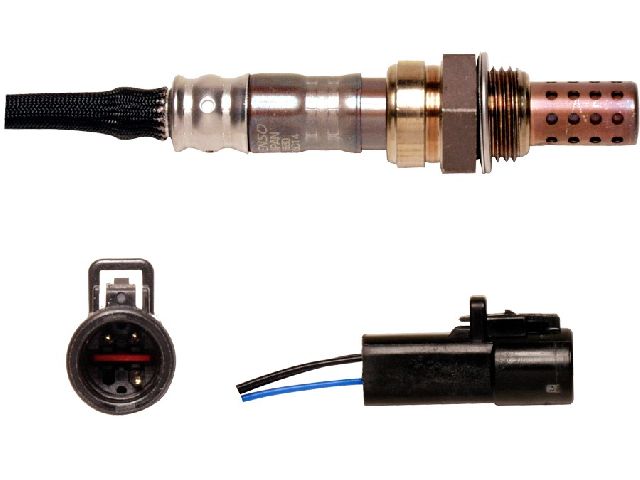
For this vehicle, you'll find sensors with different numbers of wires (one, three, or four). A 1-wire sensor is unheated, while 3 and 4-wire sensors are heated for faster activation. It is crucial to buy a sensor that matches your truck's original wiring (number of wires and connector type). A "Direct-Fit" sensor will have the correct length and electrical connector, making installation much easier. A "Universal" sensor requires you to splice the old connector onto the new sensor, which can be a point of failure if not done perfectly. Given the small price difference, a direct-fit sensor is almost always the better choice.
| Item | Estimated Cost |
|---|---|
| New Aftermarket Oxygen Sensor | $21.22 - $72.57 |
| Shop Labor for Installation | $50 - $120 |
Frequently Asked Questions (FAQ)
How many oxygen sensors does my 1980-1989 F-350 have?
Most F-350s from this era that are equipped with an O2 sensor have only one. It is located "upstream" in the exhaust system, before the catalytic converter. Trucks from this period do not have the downstream sensors that became standard with later OBD-II systems.
Where is the oxygen sensor located?
Look for a single sensor screwed into the exhaust pipe. On V8 models, it's typically located in the Y-pipe where the two sides of the exhaust merge into one. On inline-6 models, it will be in the single exhaust pipe coming from the manifold.
What's the difference between a 1-wire and a 3-wire sensor?
A 1-wire sensor is unheated and relies on the heat from the exhaust gas to reach its operating temperature. A 3-wire sensor has an internal heater that warms it up much faster, allowing the engine's computer to enter 'closed-loop' mode sooner for better efficiency. You must replace your sensor with one that has the same number of wires as the original.
Can I clean my old oxygen sensor?
While some people attempt to clean O2 sensors, it is not a reliable or recommended repair. The sensing element can become contaminated internally, which cleaning cannot fix. Given the low cost of a new sensor and the importance of its function, replacement is the only guaranteed solution.
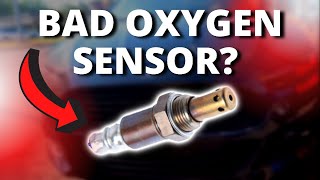
Helpful Videos
Technical Specifications
Thread Size: M18-1.5. Hex Size: 7/8 inch (22mm). Wire Count: 1, 3, or 4 depending on application.
We Have This Part in Stock

The information in this article is provided for general reference and educational purposes only. Vehicle specifications, procedures, and part compatibility can vary by production date, trim level, and region. Always consult your vehicle's factory service manual and verify part numbers before purchasing or performing repairs. Safety-critical components such as airbags, seat belts, and braking systems should be installed by a qualified professional.
- Ford F-350: