

Oxygen Sensor Guide for the 1980-1989 GMC C1500
Keep your classic GMC truck running strong by understanding, diagnosing, and choosing the right oxygen sensor.
- A failing O2 sensor will cause poor fuel economy, rough idle, and sluggish performance.
- For this truck, stick with trusted aftermarket brands like ACDelco, Bosch, Delphi, or NGK for reliability.
- Replacement is simple, requiring only basic tools and a special O2 sensor socket.
- Ignoring a bad sensor can lead to a damaged catalytic converter, a much more expensive repair.
Is Your Truck's O2 Sensor Failing?
On a classic truck like the 1980-1989 C1500, an oxygen sensor wears out over time. Contaminants like oil or coolant can also ruin it. When it fails, the engine's computer gets bad information, which can cause a variety of problems. You might notice one or more of these signs:
- Poor Fuel Economy: One of the most common symptoms. The computer may default to a rich fuel mixture, meaning it injects more fuel than needed, wasting gas.
- Rough Idle: Your truck might shake or idle unevenly when parked or at a stoplight. This happens because the air-fuel mixture is unstable.
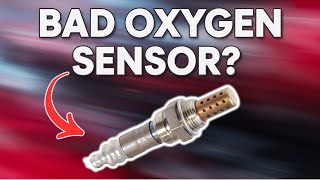
- Engine Performance Issues: A bad sensor can lead to sluggish acceleration, engine misfires, and a general loss of power. 🎬 Watch: 9 warning signs of a failing oxygen sensor In some cases, the truck may stall, especially when warming up.
- Smell of Gasoline: A strong fuel or "rotten egg" smell from the exhaust is a sign of a rich condition, where unburnt fuel is passing through the system.
- Check Engine Light: For trucks equipped with onboard diagnostics (primarily the 1987+ TBI models), a failing O2 sensor will often trigger the check engine light. Common codes include 13 and 44 on these early systems.
Don't Ignore a Bad O2 Sensor
While you can still drive your truck, a faulty oxygen sensor can cause long-term damage. Running a rich fuel mixture can eventually clog and ruin your catalytic converter, which is a much more expensive repair than replacing the sensor itself.
Choosing the Right Aftermarket O2 Sensor
For a vehicle from this era, you don't necessarily need to hunt down an expensive OEM part from a dealer. Many aftermarket brands offer excellent quality that meets or exceeds original specifications. The key is to choose a reputable brand known for reliable electronic components.
Brand Quality Tiers for Your C1500
Based on owner feedback and mechanic consensus, here’s how the available brands generally stack up for your truck:
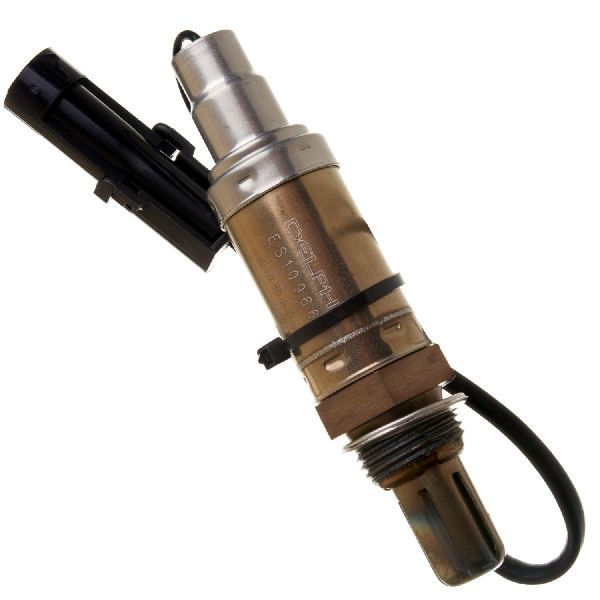
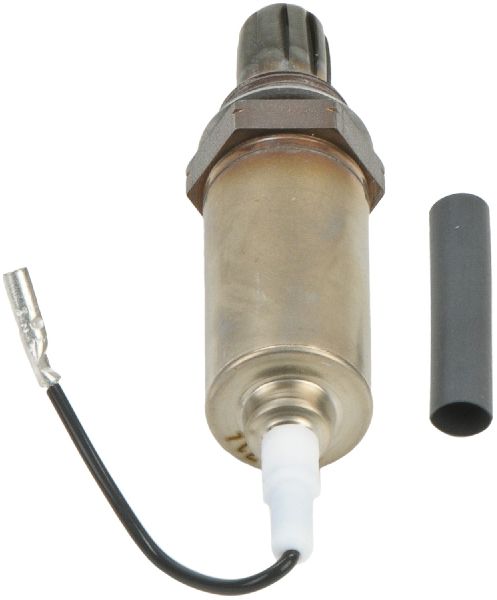
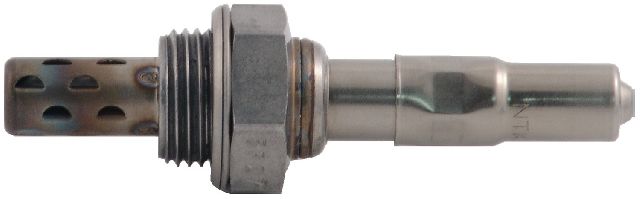
- Top Tier (OEM Quality): ACDelco is the original GM parts brand and a safe bet for a perfect fit and function. Brands like Bosch (who invented the modern O2 sensor), Delphi, and NGK/NTK are also highly regarded OEM suppliers and offer excellent performance and reliability. Many owners report great success with these brands.
- Mid-Tier (Reliable Alternatives): DriveWire offers a good balance of quality and cost. These parts are designed to be direct-fit replacements and are a solid choice for budget-conscious repairs.
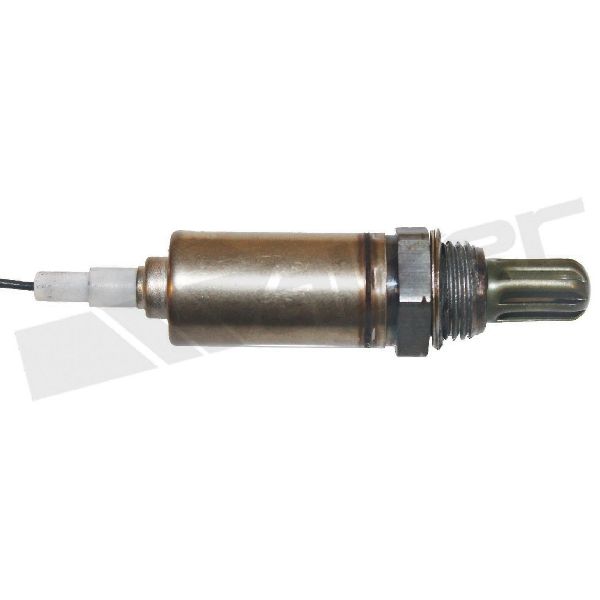
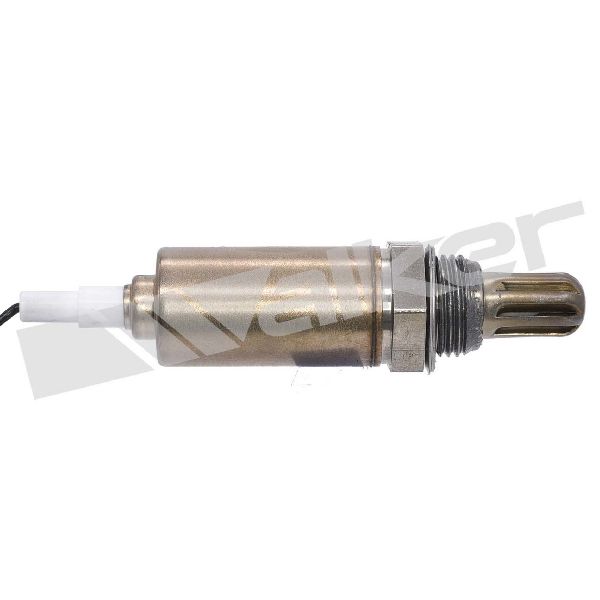
- Economy Tier (Use with Caution): Brands like Walker Products can be hit-or-miss. While some users have no issues, many forum discussions mention premature failures or out-of-the-box problems with economy-grade sensors. For a critical component like an O2 sensor, it's often worth spending a little more to avoid doing the job twice.
Heated vs. Unheated Sensors
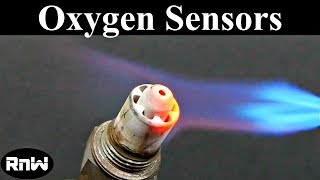
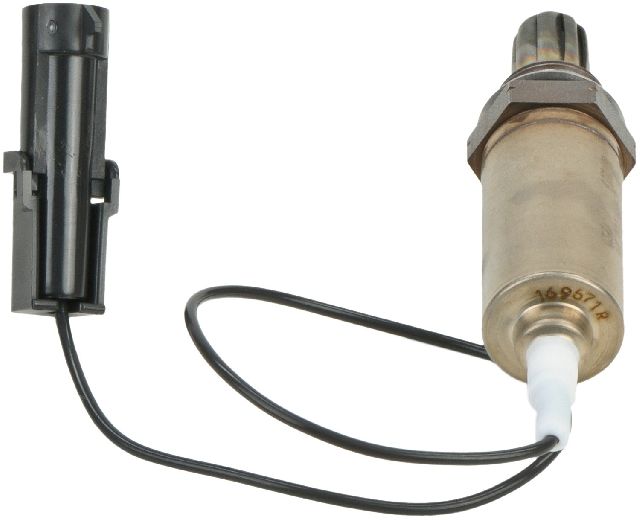
Your C1500 likely uses a simple, unheated 1-wire oxygen sensor. Some owners consider upgrading to a 3-wire heated sensor for faster warm-up times and more stable readings, but this requires wiring modifications. For a stock replacement, stick with the correct 1-wire sensor specified 🎬 See this guide on testing sensors and wire functions for your vehicle.
Typical Costs for Oxygen Sensor Replacement
| Part Type | Price Range |
|---|---|
| New Aftermarket O2 Sensor | $28.13 - $49.57 |
| Shop Labor | $50 - $100 |
| Total Estimated Cost | $78 - $150 |
Frequently Asked Questions
How many oxygen sensors does a 1980-1989 GMC C1500 have?
Most C1500s from this generation have only one oxygen sensor. It is located in the driver's side exhaust manifold, before the catalytic converter.
Is replacing the O2 sensor a good DIY job?
Yes, this is a very DIY-friendly job. The sensor is usually easy to access. The main challenge can be removing the old sensor, which is often rusted in place. Soaking it with penetrating oil beforehand is highly recommended. You will also need a special O2 sensor socket that has a slot for the wire.
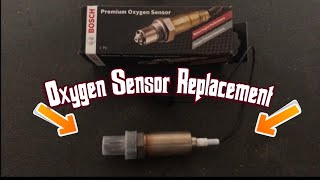
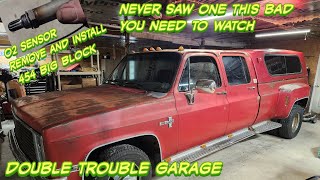
🎬 Watch: Step-by-step O2 sensor replacement for GM TBI enginesCan I clean my old oxygen sensor?
No, you should not try to clean an old oxygen sensor. The sensing element is delicate and cleaning methods can damage it. Given the low cost of a new aftermarket sensor, replacement is always the best option.
Are there any recalls for the O2 sensor on my truck?
A search of the National Highway Traffic Safety Administration (NHTSA) database shows no open recalls specifically for the oxygen sensor on the 1980-1989 GMC C1500. Any recalls would be long expired for a vehicle of this age.
Helpful Videos
Technical Specifications
Most models use a single, 1-wire, unheated oxygen sensor with a thread size of M18x1.5.
We Have This Part in Stock

The information in this article is provided for general reference and educational purposes only. Vehicle specifications, procedures, and part compatibility can vary by production date, trim level, and region. Always consult your vehicle's factory service manual and verify part numbers before purchasing or performing repairs. Safety-critical components such as airbags, seat belts, and braking systems should be installed by a qualified professional.
- GMC C1500: