

Toyota Tercel Oxygen Sensor Guide: 1980-1989 Models
Restore your Tercel's fuel economy and smooth engine performance by choosing the right oxygen sensor.
- A bad oxygen sensor will significantly decrease your fuel economy.
- For best results and reliability, choose a direct-fit sensor from an OEM brand like NGK (NTK) or Denso.
- Your 1980-1989 Tercel has only one oxygen sensor, located in the exhaust manifold.
- Ignoring a failed sensor can lead to costly damage to your catalytic converter.
Is Your Tercel's Oxygen Sensor Failing?
For a car from the 1980s, you have to pay attention to how it drives. A failing oxygen sensor won't always trigger a check engine light on these older models. Instead, you'll likely notice performance problems first. Because these sensors degrade over time from heat and contaminants, any Tercel from this era with its original sensor is due for a replacement.
Key Symptoms of a Bad O2 Sensor
- Worse Gas Mileage: This is the most common sign. If you're filling up your tank more often than you used to, a bad O2 sensor is a likely cause. Real-world MPG for these cars is typically in the 22-28 MPG range, so a significant drop from that is a red flag.
- Rough Idle or Hesitation: An engine that runs rough, shakes at stoplights, or hesitates when you press the gas pedal may be getting bad data from the O2 sensor.
- Smell of Rotten Eggs: A strong sulfur or "rotten egg" smell from the exhaust means unburned fuel is overheating your catalytic converter. This is a serious symptom that indicates the sensor has likely failed completely.
- Failed Emissions Test: In areas requiring a smog check, a bad oxygen sensor is a very common reason for failure.
Don't Ignore a Bad Sensor
While you can drive with a failing oxygen sensor, it's not a good idea. Your engine will run inefficiently, costing you money in wasted fuel. More importantly, letting the problem go can lead to expensive damage to your catalytic converter.
Choosing the Right Aftermarket Oxygen Sensor
For a 1980-1989 Tercel, original equipment (OEM) parts from a Toyota dealer are likely discontinued or extremely expensive. Aftermarket parts are the most practical and affordable solution. However, quality varies between brands, and for a critical sensor like this, choosing a good one is important.
Brand Quality Tiers
- Best (OEM Equivalent): NGK (NTK) or Denso
Toyota originally used Denso or NTK (the sensor brand for NGK) in your Tercel. These aftermarket replacements are made to the same standards as the original part and are highly recommended by mechanics for Japanese vehicles to ensure compatibility and long life. - Good: Bosch
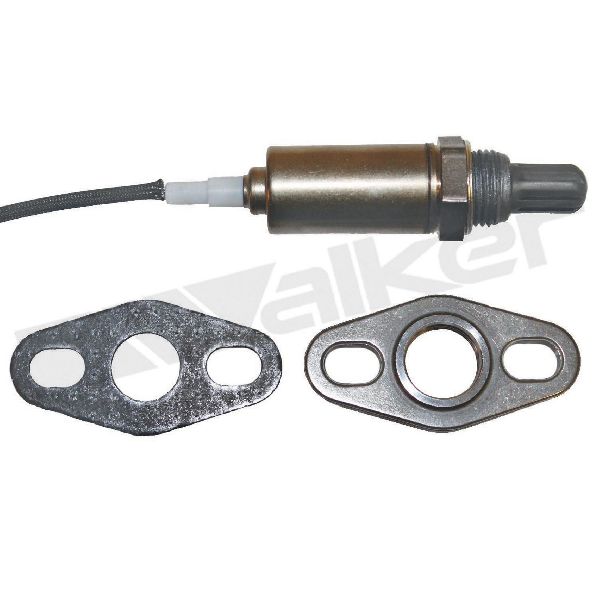
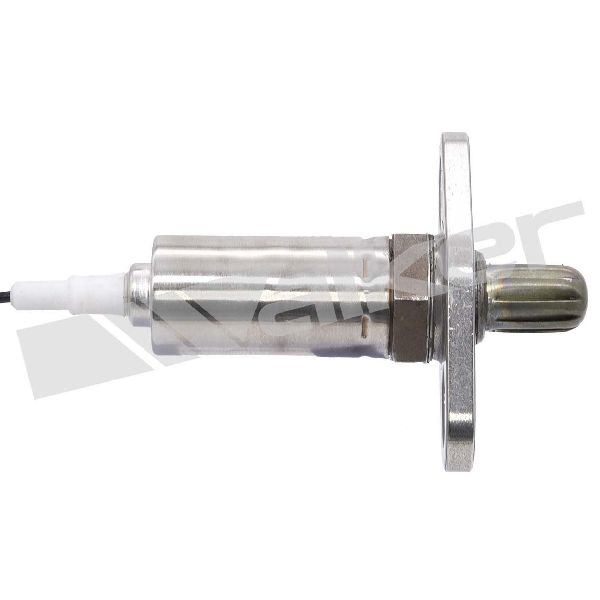
Bosch is a massive, reputable manufacturer of automotive parts, including high-quality oxygen sensors. While many mechanics prefer to stick with the Japanese OEM brands for a Toyota, a Bosch sensor is a reliable and widely available option. - Economy: Walker Products
Walker is known for exhaust components, but their sensors have a mixed reputation in online forums. Some users report no issues, while others have experienced premature failures. Given the small price difference, opting for a more trusted brand like NGK or Denso is a safer bet.
Pro Tip: Use a Direct-Fit Sensor
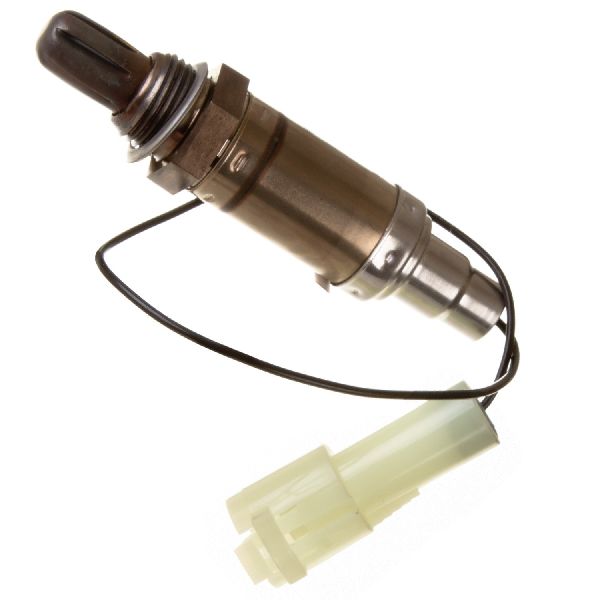
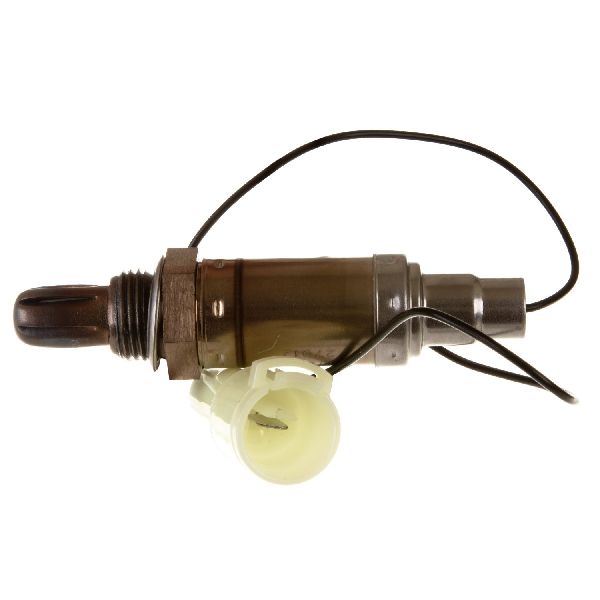
Always choose a "direct-fit" sensor. These come with the correct electrical connector for your Tercel, so you don't have to cut and splice wires. Universal sensors are cheaper but require wiring work that can lead to connection problems.
Typical Replacement Costs
Replacing the oxygen sensor on a 1980-1989 Tercel is an affordable repair. The part itself is not expensive, and labor is minimal.
| Item | Estimated Cost |
|---|---|
| New Aftermarket Oxygen Sensor | $46.29 - $58.61 |
| Shop Labor | $50 - $100 |
| Total Estimated Cost | $96 - $159 |
Frequently Asked Questions (FAQ)
How many oxygen sensors does my 1980-1989 Tercel have?
Your Tercel from this period should only have one oxygen sensor. It is an "upstream" sensor located in the exhaust manifold, before the catalytic converter. Cars didn't typically get a second "downstream" sensor until OBD-II systems were introduced in the mid-1990s.
Can I clean my old oxygen sensor instead of replacing it?
While some people attempt to clean O2 sensors, it is not a reliable or long-term fix. The sensing element fails internally over time from heat and contamination, which cleaning cannot reverse. Given the low cost of a new sensor, replacement is always the recommended repair.
Is this a difficult part to replace myself?
No, this is a great DIY job for a beginner. The sensor is usually easy to access in the engine bay. You will need a special oxygen sensor socket (typically 22mm) that has a slot for the wire. The job involves unplugging the old sensor, removing it with the socket, and installing the new one.
Were there any recalls for the Tercel oxygen sensor?
No, searches of the National Highway Traffic Safety Administration (NHTSA) database show no recalls or specific technical service bulletins (TSBs) for the oxygen sensor on the 1980-1989 Toyota Tercel.
Technical Specifications
OEM Part Numbers: 89465-19405 89465-16050 89465-29045 89465-16060
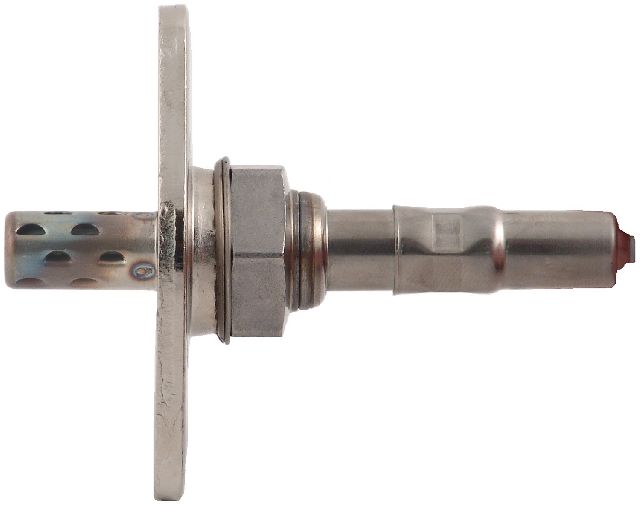
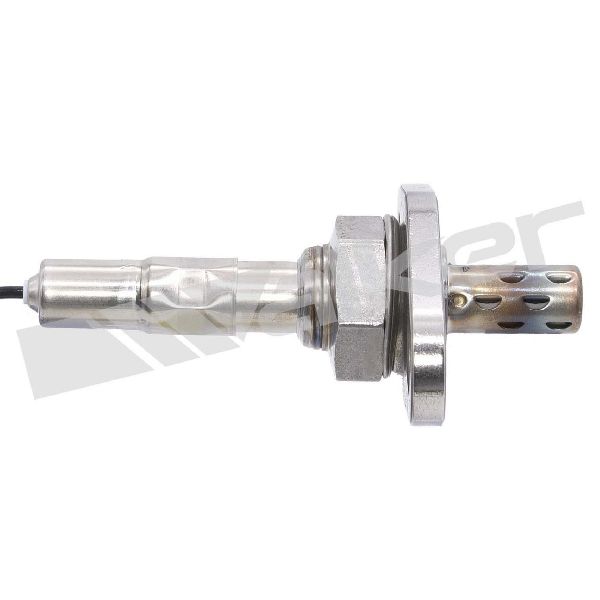
Your Tercel will use a single, upstream oxygen sensor located in the exhaust manifold. It will be a threaded type, requiring a 22mm O2 sensor socket for removal. Depending on the specific year and model (California vs. Federal emissions), it could be a 1, 2, 3, or 4-wire sensor. Always verify the connector type before purchasing.
We Have This Part in Stock

The information in this article is provided for general reference and educational purposes only. Vehicle specifications, procedures, and part compatibility can vary by production date, trim level, and region. Always consult your vehicle's factory service manual and verify part numbers before purchasing or performing repairs. Safety-critical components such as airbags, seat belts, and braking systems should be installed by a qualified professional.
- Toyota Tercel: