

Volkswagen Jetta Starter Replacement Guide for 1980-1989 Models
Everything you need to know before replacing the starter on your Mk1 or Mk2 Jetta.
- A single click with no crank is a classic sign of a bad starter, but always check your battery and connections first.
- It is absolutely critical to replace the small starter bushing in the transmission bellhousing when you install a new starter to prevent premature failure.
- Choosing a new starter from an OEM-quality brand like Bosch or Valeo is a reliable investment for these older Jettas.
- A grinding noise means you should stop trying to start the car immediately to avoid expensive flywheel damage.
Is Your Jetta's Starter Failing?
A bad starter can leave you stranded. For 1980-1989 Jettas, the signs of failure are usually clear. Don't ignore them, as a weak starter can put extra strain on your battery and charging system. Before you assume the starter is bad, always check that your battery is fully charged and that the battery terminals and starter connections are clean and tight. Corrosion or loose wires can cause the same symptoms as a dead starter.
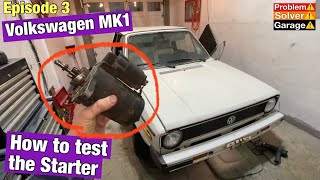
🎬 Watch: How to test your VW starter before replacing it.Common Failure Symptoms
- Clicking Sound: A single, loud click when you turn the key often means the starter solenoid is engaging but the motor isn't turning. A rapid series of clicks usually points to a weak battery that can't provide enough power.
- No Crank, No Start: You turn the key, the dashboard lights come on, but the engine is silent and doesn't try to turn over. This points to a problem in the starting circuit, very often the starter itself or its solenoid.
- Intermittent Starting: The car starts fine some days but refuses to crank on others. This can be caused by worn internal components or a "dead spot" in the starter motor. Heat can sometimes make this problem worse.
- Grinding Noise: A harsh grinding sound when you try to start the engine can mean the starter's pinion gear is worn or not engaging properly with the flywheel. Stop trying to start the car immediately to avoid damaging the flywheel.
Known Issue: The Starter Bushing
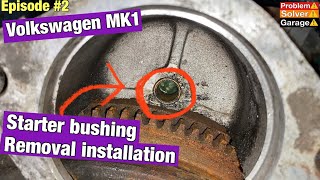
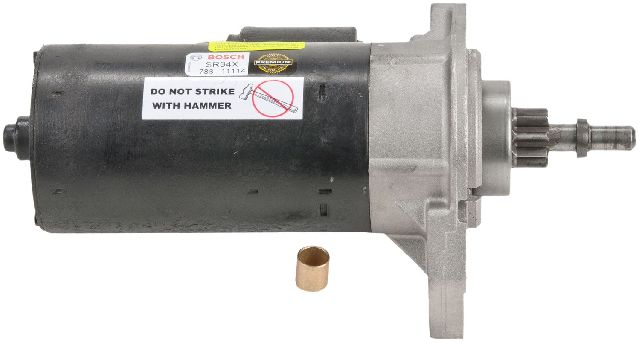
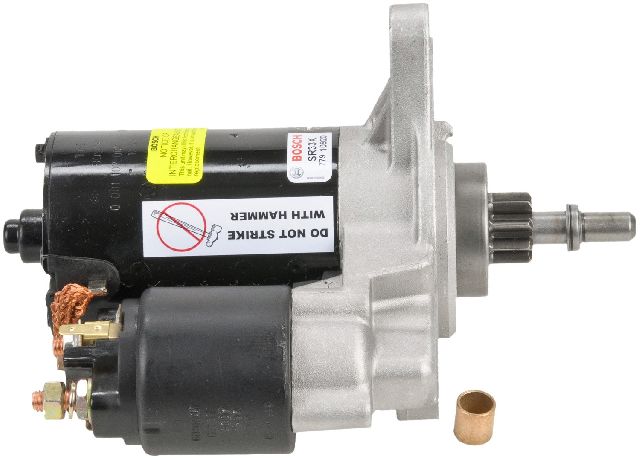
For these older VWs, there is a small brass or bronze bushing in the transmission bellhousing that supports the end of the starter shaft. This bushing wears out over time. It is critical to replace this bushing every time you replace the starter. If you install a new starter with a worn bushing, the starter shaft will not be properly supported, causing it to wobble and fail very quickly. This is the most common mistake people make when replacing the starter on a Mk1 or Mk2 Jetta.
🎬 See how to properly remove and install the starter bushing.Choosing the Right Aftermarket Starter
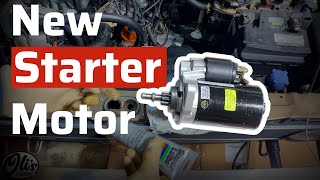
You don't need to buy a part from the Volkswagen dealer. Several high-quality aftermarket brands offer excellent starters for your Jetta, often providing the same quality as the original part for less money. Both Bosch and Valeo are known original equipment (OE) suppliers for many European vehicles, making them a top choice.
Brand Quality Tiers
- Premium Brands (OEM Quality): Bosch and Valeo are original equipment manufacturers for Volkswagen and other German brands. Choosing a new starter from one of these brands is the closest you can get to the original part's quality and fit. They are built to high standards and are known for their reliability.
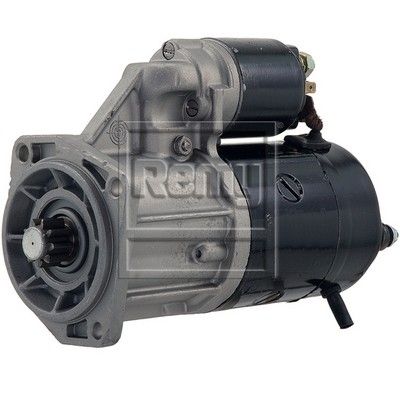
- Quality Aftermarket Brands: Brands like Remy offer new starters that are a solid choice for a daily driver. They provide a good balance of quality and price, though they may not have the same OE pedigree as Bosch or Valeo.
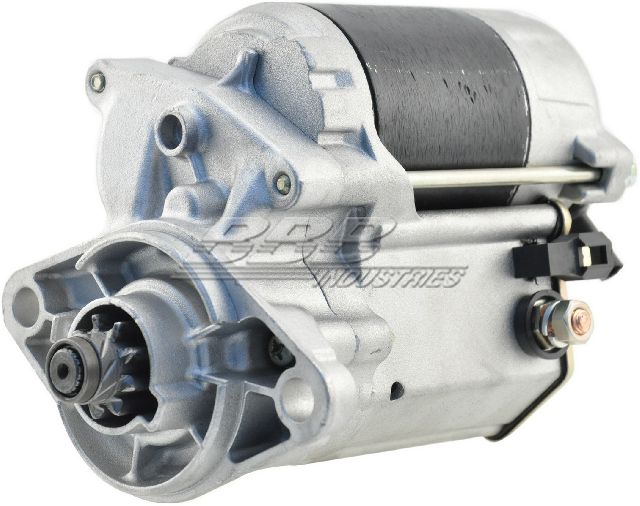
- Value Brands: BBB Industries and other store brands are typically remanufactured units that offer a budget-friendly option. Quality can be inconsistent, but they often come with a lifetime warranty.
Pro Tip: New vs. Remanufactured
For a critical part like a starter, a 'new' unit is generally recommended over a 'remanufactured' one. New starters use all-new components and have a lower failure rate out of the box. While a quality remanufactured starter can be a good value, a new unit from a reputable brand like Bosch, Valeo, or Remy provides the most peace of mind.
Frequently Asked Questions
Was there a recall on the 1980-1989 Jetta starter?
No, there have been no specific recalls or technical service bulletins (TSBs) issued by Volkswagen or the NHTSA for the starter motor on the 1980-1989 Jetta models. Any issues are related to the age and wear of the original components.
Can I replace the Jetta starter myself?
Yes, this is a feasible DIY job for someone with basic mechanical skills and tools. The starter is typically held on by two or three bolts to the transmission. You will need to safely jack up the car, disconnect the battery, and work from both above and below the engine. Remember to replace the starter bushing.
🎬 Follow this step-by-step guide to replacing your Jetta's starter.What is a starter solenoid?
The starter solenoid is a small, powerful electromagnet attached to the starter motor. It does two things: it pushes the starter gear forward to engage the engine's flywheel, and it acts as a relay, closing a high-amperage circuit to power the starter motor. A single 'click' with no crank is a classic symptom of a failed solenoid.
Why do my lights dim when I try to start the car?
A failing starter can draw excessive electrical current from the battery as it struggles to turn over. This large power draw can cause the interior and dashboard lights to dim or flicker. While this can also be a sign of a weak battery, it often accompanies a dying starter motor.
Helpful Videos
Technical Specifications
OEM Part Numbers: 055911023F 055911023FX 055911023H 055911023HX
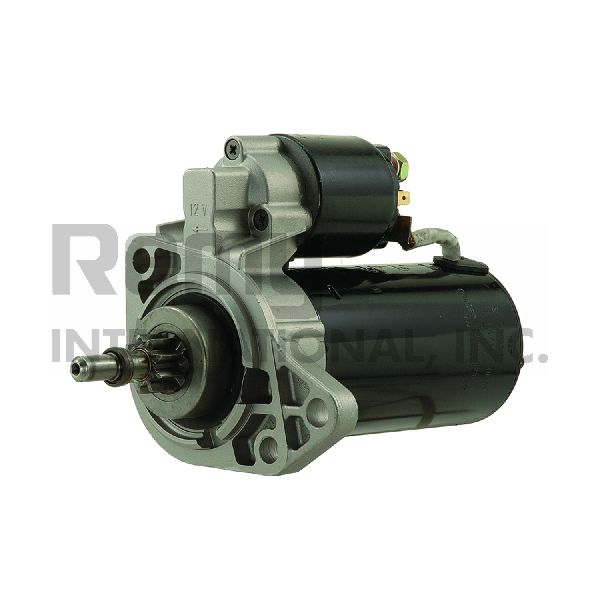
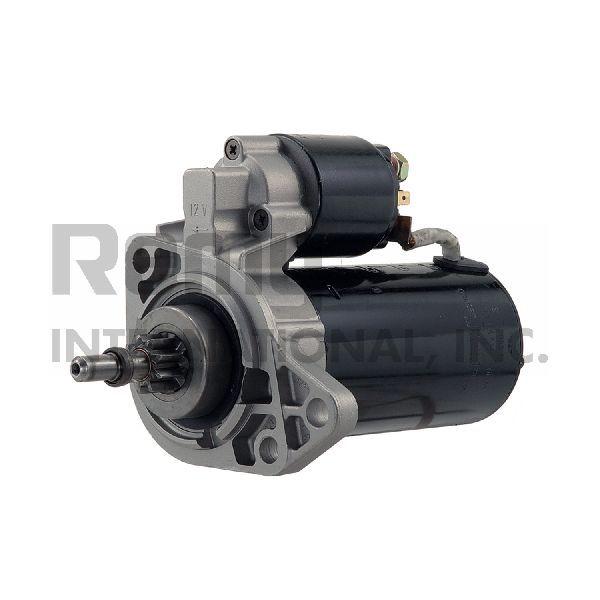
The starter for the 1980-1989 Jetta is typically a 12-volt, direct-drive unit with a solenoid mounted on top. It mounts to the transmission bellhousing. Fitment can vary between manual and automatic transmissions, so verifying the correct part for your vehicle is essential.
We Have This Part in Stock

The information in this article is provided for general reference and educational purposes only. Vehicle specifications, procedures, and part compatibility can vary by production date, trim level, and region. Always consult your vehicle's factory service manual and verify part numbers before purchasing or performing repairs. Safety-critical components such as airbags, seat belts, and braking systems should be installed by a qualified professional.
- Volkswagen Jetta: