

Ford Thunderbird Serpentine Belt Replacement Guide (1980-1990)
Keep your Thunderbird's accessories running strong by choosing the right serpentine belt for your engine.
- First, visually confirm if your 1980-1990 Thunderbird has a single serpentine belt or multiple V-belts before ordering parts.
- Squealing noises are the most common symptom of a failing belt, but also inspect for cracks and fraying regularly.
- For best results, choose a premium aftermarket brand like Gates or Continental, which use modern EPDM rubber for longevity.
- Always inspect the belt tensioner and idler pulleys when replacing the belt; a worn tensioner can ruin a new belt quickly.
Understanding Your Thunderbird's Belt System
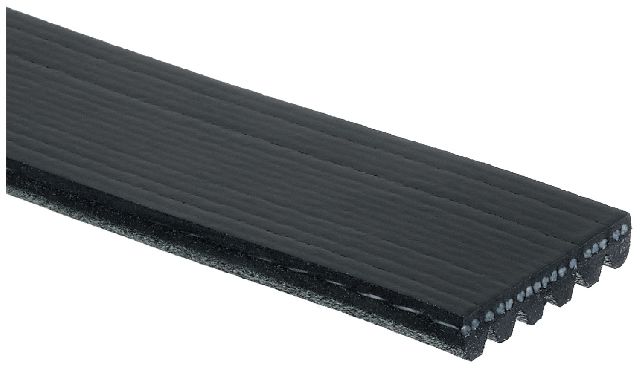
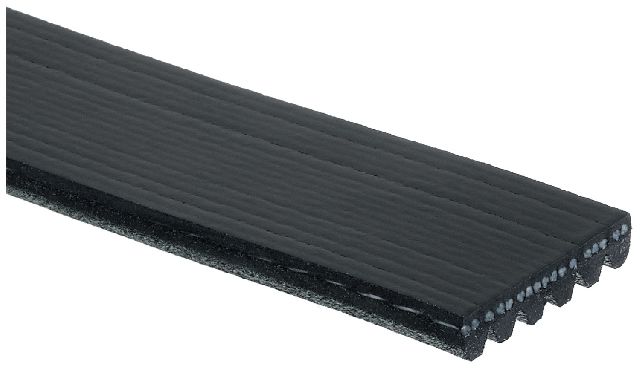
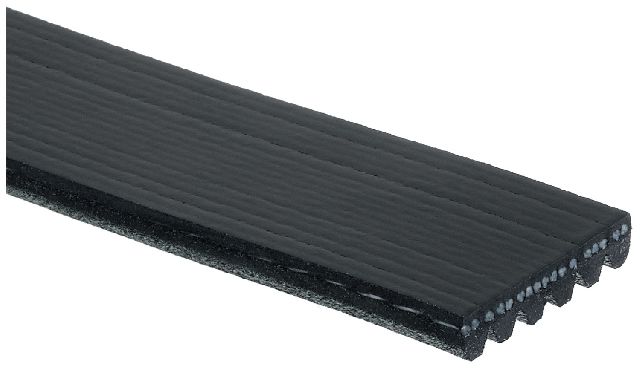
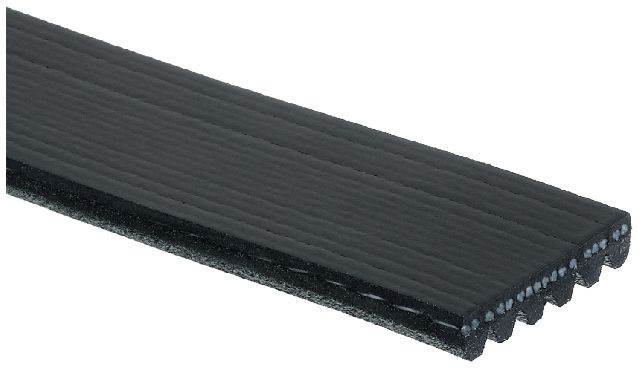
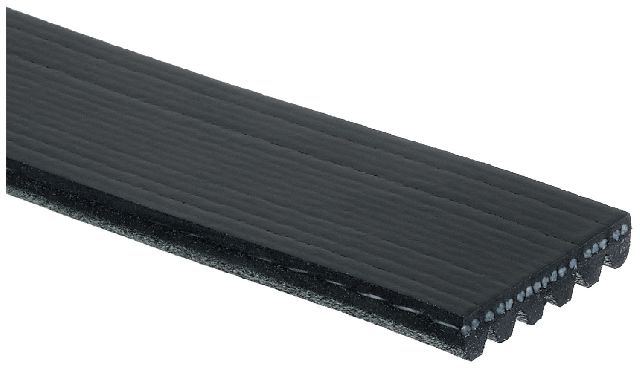
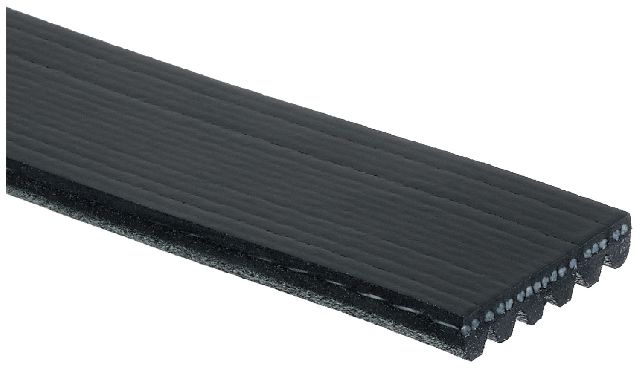
For owners of a 1980-1990 Ford Thunderbird, identifying your accessory drive belt system is the first step. Ford used both multiple V-belt systems and single serpentine belt systems during this era. The eighth generation "Fox Body" Thunderbird (1980-1988) and the tenth generation "MN12" (1989-1990) saw this transition. Generally, later models, especially those with the 3.8L V6 and 5.0L V8, are more likely to have a serpentine belt. However, options like A/C can affect the belt configuration. Always pop the hood and look before you buy. A serpentine system will have one wide, flat, ribbed belt, while a V-belt system will have several thinner, V-shaped belts.
Common Ordering Mistake: V-Belts vs. Serpentine
The most frequent error is ordering a serpentine belt for a car equipped with V-belts, or vice-versa. For example, a 1988 Thunderbird with a 5.0L V8 could have come with a serpentine belt system, while earlier models in the 80s often had V-belts. Visually confirm you have one single, wide, ribbed belt before purchasing a serpentine belt.
Symptoms of a Failing Serpentine Belt
A serpentine belt is a wear item and will eventually need replacement. Ignoring the signs can leave you stranded. Here’s what to look and listen for:
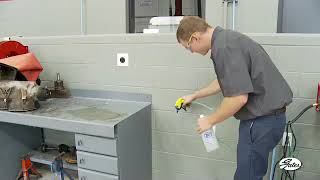
- Squealing or Chirping Noises: This is the most common symptom, often worse on cold starts or when 🎬 Watch: Use a spray bottle to diagnose belt noise the A/C is turned on. The noise comes from the belt slipping on the pulleys.
- Visible Wear: Inspect the belt for cracks, fraying, missing ribs, or a glazed, shiny appearance. Modern EPDM belts may not show cracks as readily but can still be worn out.
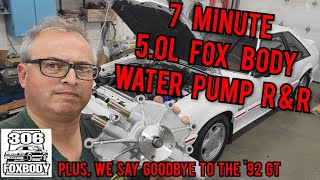
- Accessory Malfunctions: If your power steering feels heavy, your battery light comes on (alternator not charging), or the engine temperature climbs rapidly (water pump not spinning), your 🎬 Watch: How to replace a 5.0L Fox Body water pump belt may have failed or is slipping badly.
- Tensioner Noise or Vibration: The belt tensioner, a spring-loaded pulley that keeps the belt tight, can also fail. A bad tensioner can cause a rattling noise or allow the belt to slip. It is highly recommended to inspect the tensioner and idler pulleys when replacing the belt.
Choosing the Right Aftermarket Serpentine Belt
For a vehicle of this age, a high-quality aftermarket belt is an excellent choice and often meets or exceeds the original specifications. The original Motorcraft parts can be difficult to find. Aftermarket brands use modern materials like EPDM rubber, which resists cracking and heat better than older materials.
Brand Quality Tiers
Premium Brands ($40 - $70): Gates, Continental
These are top-tier brands trusted by professional mechanics. They are known for their quiet operation and durability, often using advanced EPDM compounds and cord materials to prevent stretching and noise. If you want the best reliability and quietest performance, these brands are a solid investment.
Standard Quality ($25 - $45): Dayco
Dayco is a well-respected OE supplier and aftermarket brand that offers a great balance of quality and price. Their belts are reliable and a significant step up from economy options. Many owners have good experiences with Dayco belts providing long service life without issues.
Economy Brands ($17 - $30): Skyward and Store Brands
These belts meet basic requirements and can be a good choice if budget is the primary concern. They will function correctly but may not have the same longevity or noise-resistance characteristics as premium brands. For a daily driver, stepping up to a standard or premium brand is often worth the small extra cost for peace of mind.
Pro Tip: Replace the Tensioner
The belt tensioner is just as important as the belt itself. A weak or failing tensioner will cause even the best new belt to slip, squeal, and wear out prematurely. If your Thunderbird has over 100,000 miles or the tensioner pulley feels rough when spun by hand, it's wise to replace it along with the belt.
Estimated Costs for Serpentine Belt Replacement
| Part | Estimated Cost |
|---|---|
| New Aftermarket Serpentine Belt | $17 - $71 |
| Shop Labor | $95 - $140 |
| Total Estimated Cost (DIY) | $17 - $71 |
| Total Estimated Cost (Installed) | $112 - $211 |
Frequently Asked Questions (FAQ)
Do I need any special tools to change the serpentine belt?
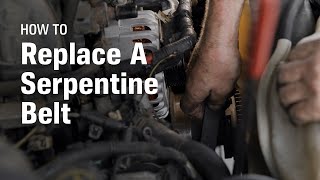
You will typically need a basic socket set and a serpentine belt tool or a long-handled ratchet/breaker bar to release the tension from the belt tensioner. Always make sure you have a clear diagram of the belt's routing 🎬 See this step-by-step guide on replacing a serpentine belt before you remove the old one. Taking a picture with your phone is a great way to remember.
Should I replace my idler pulleys with the belt?
While replacing the belt, spin each idler pulley by hand. They should spin smoothly and quietly. If you feel any roughness, grinding, or hear noise, the pulley bearing is failing and it should be replaced to prevent it from seizing and damaging the new belt.
What is an EPDM belt?
EPDM (Ethylene Propylene Diene Monomer) is a durable synthetic rubber that is the standard for modern high-quality serpentine belts. It offers superior resistance to heat, cracking, and wear compared to the neoprene rubber used in older belts.
My new belt is still squeaking. What's wrong?
If a new belt squeaks, the cause is often not the belt itself. The most common culprits are a weak tensioner that isn't providing enough pressure, a misaligned pulley, or fluid (like oil or coolant) that has contaminated the belt and pulleys. Ensure all pulleys are clean and aligned properly.
Helpful Videos
Technical Specifications
Belt type varies significantly by year, engine (3.8L V6, 5.0L V8), and accessories (with or without A/C). The number of ribs (commonly 6) and the length are critical. Always use a part finder or cross-reference your old belt's part number to ensure a correct fit.
We Have This Part in Stock

The information in this article is provided for general reference and educational purposes only. Vehicle specifications, procedures, and part compatibility can vary by production date, trim level, and region. Always consult your vehicle's factory service manual and verify part numbers before purchasing or performing repairs. Safety-critical components such as airbags, seat belts, and braking systems should be installed by a qualified professional.
- Ford Thunderbird:
- 🎬 Helpful Videos
- 🛍️ Shop This Part
- Understanding Your Thunderbird's Belt System
- Common Ordering Mistake: V-Belts vs. Serpentine
- Symptoms of a Failing Serpentine Belt
- Choosing the Right Aftermarket Serpentine Belt
- Brand Quality Tiers
- Pro Tip: Replace the Tensioner
- Estimated Costs for Serpentine Belt Replacement
- Frequently Asked Questions (FAQ)
- 🎟️ Get 5% Off