

A Deep Dive into the Oxygen Sensor for the 1980-1990 Jeep Cherokee XJ
Keep your classic Cherokee's engine running smoothly by understanding its most critical fuel system sensor.
- For 1987-1990 4.0L Renix engines, use an NGK/NTK brand oxygen sensor for best results.
- Your 1980-1990 Cherokee only has one upstream oxygen sensor.
- A bad sensor will not trigger a check engine light on 1987-1990 models; you must rely on symptoms like bad MPG or rough idle.
- The sensor can be difficult to remove if rusted; use penetrating oil and a special O2 sensor socket.
Understanding the Oxygen Sensor in Your 1980-1990 Cherokee
The oxygen sensor is a small but vital part of your Jeep's engine management system. It acts like a nose, sniffing the exhaust to tell the engine computer how well it's burning fuel. For the 1987-1990 models with the 4.0L inline-six engine, this system is known as Renix, a unique fuel injection setup that can be sensitive to part quality. A properly functioning O2 sensor is key to getting the best fuel economy and performance out of these classic engines. These sensors are considered a regular wear item and should be checked or replaced if they have over 80,000 miles on them.
Choosing the Right Aftermarket Oxygen Sensor
When it comes to sensors for the Renix system (1987-1990 4.0L), owner experience is critical. The wrong sensor can cause issues like a hunting idle, poor fuel economy, and failed emissions tests. While many brands are available, forums and owner communities have clear favorites.
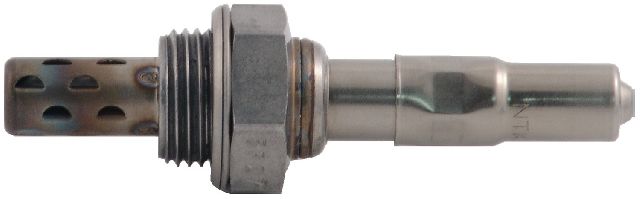
- Premium Tier (Highly Recommended for Renix): NGK (also known as NTK) is widely regarded as the best choice for the Renix 4.0L engine. Many owners report that switching to an NTK sensor solved persistent idle and performance problems that other brands, including Bosch, could not fix. Denso is another high-quality Japanese brand that is generally well-regarded.
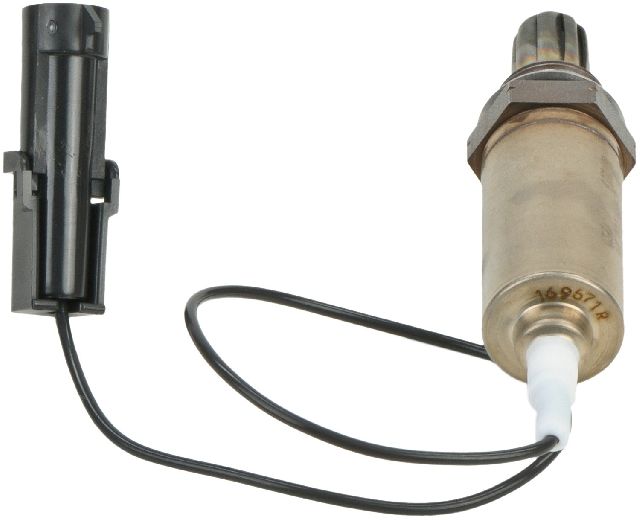
- Mid-Tier (Generally Good): Bosch invented the oxygen sensor, and for many vehicles, they are the go-to. However, for the Renix Cherokee, owner feedback is mixed. Some have success, while many others report issues. If choosing Bosch, ensure it is a direct-fit model specifically for your year and engine.
- Jeep Specialists (Hit or Miss): Brands like Crown Automotive and Omix-Ada specialize in Jeep replacement parts. Their quality can be inconsistent. Some users have success with their sensors, while others report premature failure or poor performance right out of the box. These can be a budget-friendly option, but it's a gamble compared to NTK.
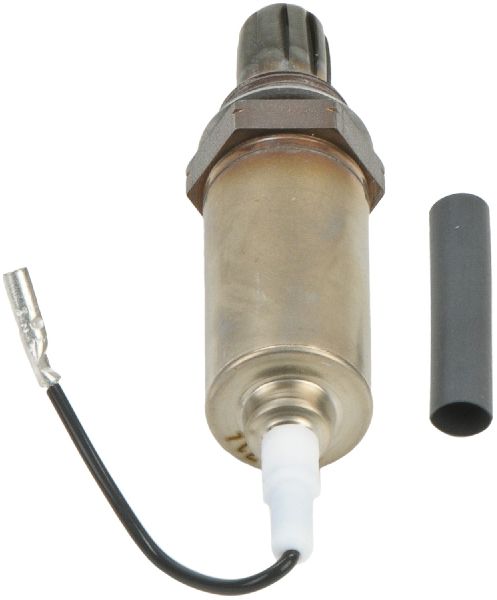
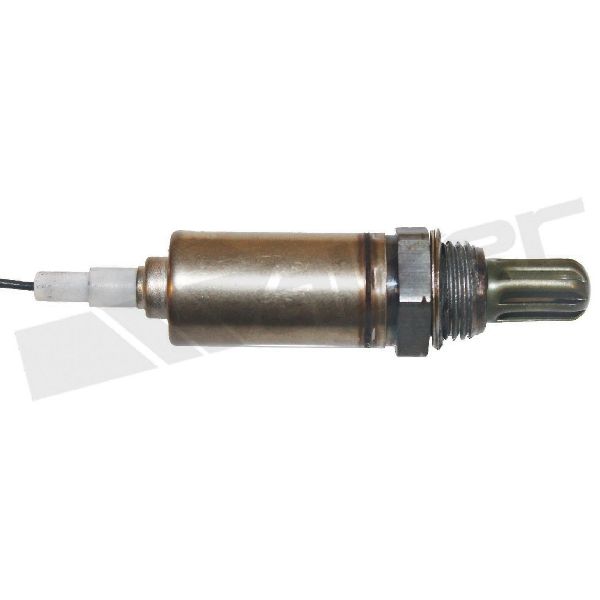
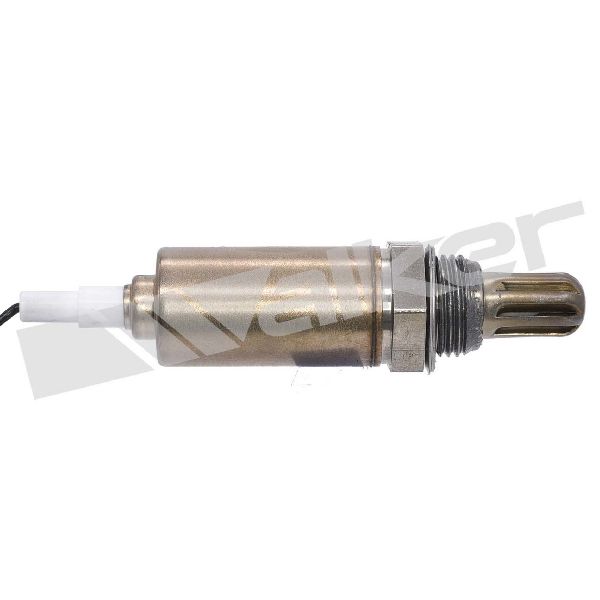
- Budget Tier: Brands like DriveWire, Spectra, and Walker Products offer the lowest price points. These are often universal-style sensors that may require splicing wires. Given the sensitivity of the Cherokee's engine management system, especially the Renix, it is generally recommended to use a direct-fit sensor from a more reputable brand.
Pro Tip for Renix Owners
The 1987-1990 4.0L Renix system is notoriously picky. Spend the extra money on an NGK/NTK sensor. Many forum users report that it is the only brand that consistently works correctly without causing idle or performance issues.
Estimated Costs for Oxygen Sensor Replacement
| Part Type | Estimated Cost |
|---|---|
| New Aftermarket Sensor | $21 - $143 |
| Shop Labor | $50 - $100 |
| Total Estimated Cost | $71 - $243 |
Cost estimates are for parts and labor and can vary based on your location and chosen repair shop.
Frequently Asked Questions
How many oxygen sensors does my 1980-1990 Cherokee have?
All 1980-1990 Jeep Cherokees equipped with fuel injection have only one oxygen sensor. It is an "upstream" sensor located in the exhaust pipe before the catalytic converter. Models from this era do not have a second "downstream" sensor.
Can I clean my old oxygen sensor?
While some people attempt to clean O2 sensors, it is not a reliable or recommended practice. The sensing element is delicate, and contamination from oil, coolant, or carbon can permanently damage it. Given the relatively low cost of a new sensor and its importance for fuel economy, replacement is the best option.
What is a "heated" oxygen sensor?
The oxygen sensors used in 1987-1990 Cherokees are heated. They have an internal heating element that gets the sensor up to operating temperature quickly. This allows the engine's computer to start using the sensor's readings for fuel adjustments almost immediately after startup, improving efficiency and reducing cold-start emissions. These are typically 3-wire sensors.
Will a bad O2 sensor trigger a Check Engine Light on my old Jeep?
Unlike modern cars, the 1987-1990 Renix-era Jeeps do not have a traditional "Check Engine Light" that stores specific codes for easy diagnosis. A failing sensor will not illuminate a light. You must rely on symptoms like poor gas mileage, rough idle, or a failed emissions test to diagnose the problem.
Technical Specifications
OEM Part Numbers: 53004245
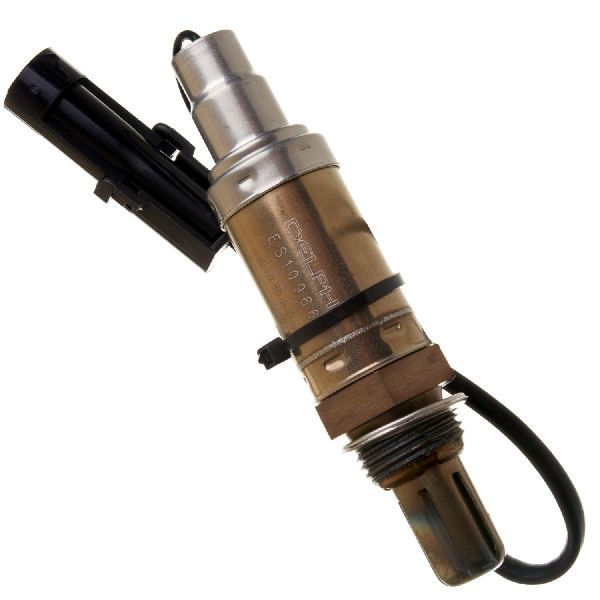
The sensor for the 4.0L Renix engine is a 3-wire, heated, upstream sensor. It is located on the exhaust downpipe just below the exhaust manifold. A special 7/8" (22mm) oxygen sensor socket is recommended for removal.
We Have This Part in Stock

The information in this article is provided for general reference and educational purposes only. Vehicle specifications, procedures, and part compatibility can vary by production date, trim level, and region. Always consult your vehicle's factory service manual and verify part numbers before purchasing or performing repairs. Safety-critical components such as airbags, seat belts, and braking systems should be installed by a qualified professional.
- Jeep Cherokee: