

Chevrolet G30 Oxygen Sensor: A Guide for 1980-1991 Models
Keep your van running efficiently by understanding how to choose the right oxygen sensor.
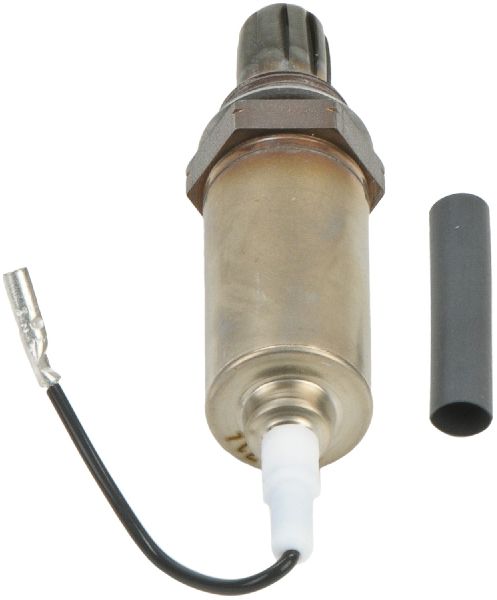
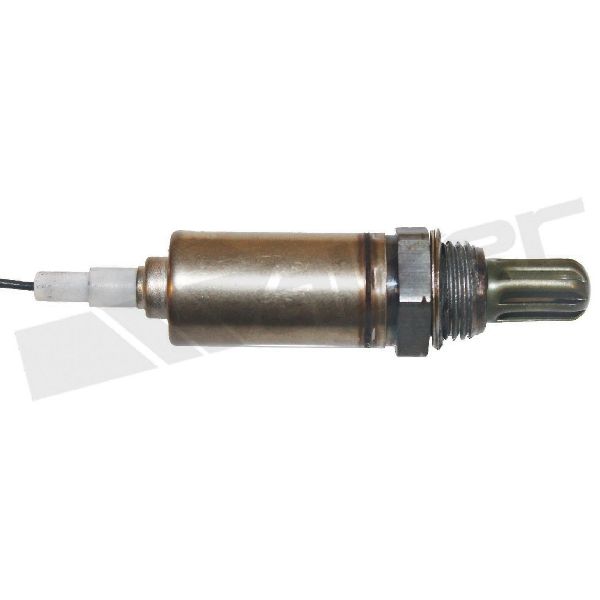
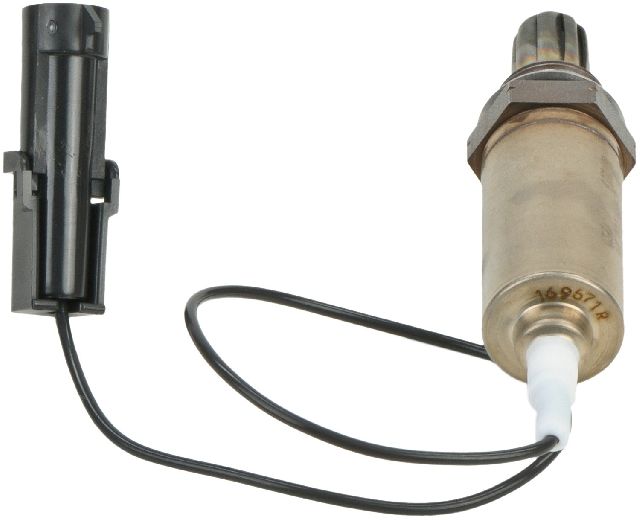
- Your G30 likely has one single-wire, unheated oxygen sensor on the driver's side exhaust manifold.
- Symptoms of failure include poor gas mileage, rough running, a check engine light, and a rotten egg smell from the exhaust.
- Ignoring a bad sensor can lead to costly damage to your catalytic converter.
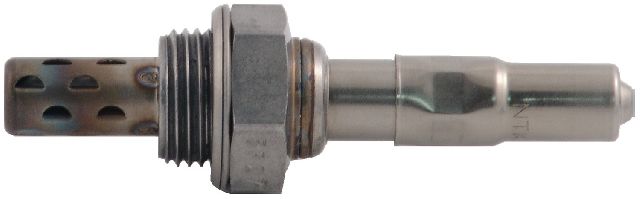
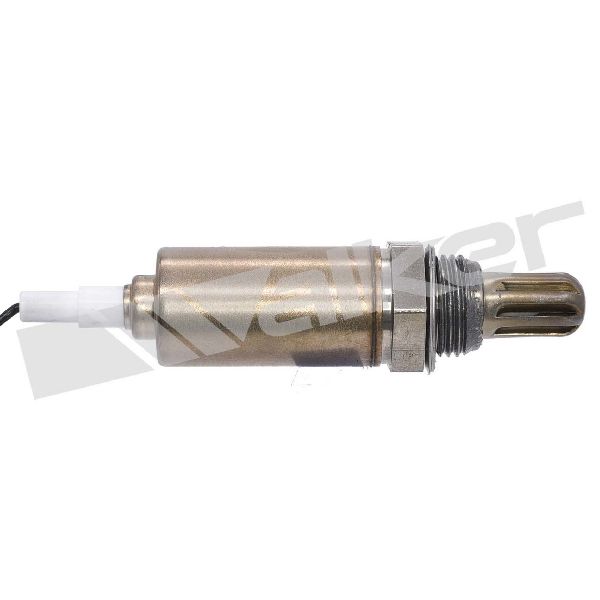
- Reputable aftermarket brands like Bosch, NGK, Delphi, and Walker are reliable choices for this part.
Signs of a Failing Oxygen Sensor
When an oxygen sensor starts to fail on your G30, it can't send the correct information to the engine's computer. This can cause a variety of noticeable problems. Because these vans are from an earlier OBD-I era, a check engine light is a primary indicator, but not always present on the earliest models.
- Poor Fuel Economy: One of the first things you might notice is needing to fill up the gas tank more often. A bad sensor can cause the engine to use more fuel than necessary.
- Rough Idle and Poor Performance: Your van might idle unevenly, hesitate when you press the gas, or feel sluggish and underpowered. In some cases, it can even lead to engine stalling.
- Rotten Egg Smell or Black Smoke: An incorrect fuel mixture can lead to a strong, sulfur-like smell from the exhaust. You might also see black smoke, which is a sign of unburnt fuel passing through the engine.
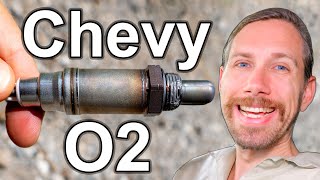
- Failed Emissions Test: A bad oxygen sensor is a common reason for failing a state emissions inspection due to higher-than-normal pollutants in the exhaust. 🎬 Watch: A visual guide to common bad oxygen sensor symptoms.
Don't Ignore the Symptoms
Driving for too long with a bad oxygen sensor can cause more expensive problems. An engine running rich can eventually damage the catalytic converter, which is a much more costly repair than replacing the sensor itself.
Choosing the Right Aftermarket Oxygen Sensor
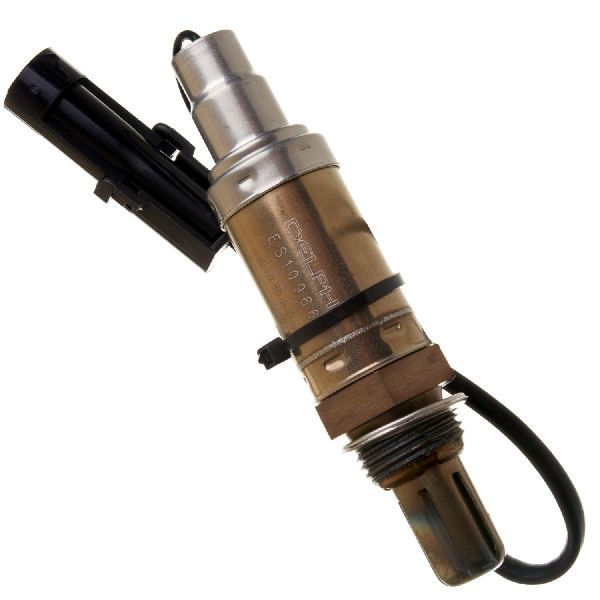
For a vehicle like the 1980-1991 G30, aftermarket parts are often the most practical and affordable choice. OEM parts can be difficult to find and expensive. The good news is that reputable aftermarket brands offer quality that is often equivalent to the original parts. Your G30 likely uses a simple, single-wire unheated oxygen sensor, though some later models may have a heated 3-wire or 4-wire sensor. It's important to get the correct one for your specific year and engine.
Brand Quality Tiers
When shopping for a new sensor, you'll find several brands available. Here’s an honest breakdown based on general reputation and owner feedback:
- Tier 1 (High Quality & Trusted): Brands like Bosch, Delphi, and NGK (NTK) are often original equipment manufacturers for many car companies. Bosch invented the automotive oxygen sensor. These brands are known for their reliability and performance, though some users in forums report occasional out-of-the-box failures with Bosch. Denso, which makes sensors for Walker, is also a top-tier choice highly regarded by mechanics.
- Tier 2 (Solid Value): Walker Products is a well-respected aftermarket brand that has been making fuel system components for decades. They offer a good balance of quality and affordability and are a popular choice in owner forums.
- Tier 3 (Budget-Friendly): Brands like DriveWire are typically focused on providing the lowest-cost option. While they can function correctly, their long-term durability and consistency may not match the higher-tiered brands. These are best if the budget is the primary concern.
Pro Tip: Check the Wires
Your 1980-1991 G30 most likely has a single upstream oxygen sensor located on the driver's side exhaust manifold. Most models in this year range use a simple one-wire, unheated sensor. However, always verify the number of wires on your existing sensor before ordering a replacement to ensure a perfect match.
Installation and Cost
Replacing the oxygen sensor on a G30 is a straightforward job that most DIY mechanics can handle.
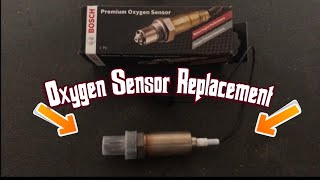
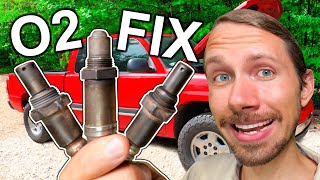
🎬 See this step-by-step replacement walkthrough for GM TBI engines.| Item | Cost / Detail |
|---|---|
| New Aftermarket Part Cost | $28.13 - $49.57 |
| Shop Labor Cost Estimate | $50 - $100 |
| DIY Difficulty | 1/5 (Easy) |
| Estimated Time | Under 1 hour |
The sensor is typically threaded into the driver's side exhaust manifold. It can be removed with a standard 7/8-inch wrench or a special oxygen sensor socket. Applying penetrating oil beforehand can help loosen a stubborn sensor. 🎬 Watch: Pro tips for removing stuck Chevy oxygen sensors easily. New sensors usually come with anti-seize compound already on the threads.
Frequently Asked Questions
How many oxygen sensors does my 1980-1991 G30 have?
Most G30s from this era have only one upstream oxygen sensor. It is typically located on the driver's side exhaust manifold, before the catalytic converter. Unlike modern vehicles, they do not have downstream sensors after the converter.
Do I need a heated or unheated sensor?
Most G30s in this year range use a simple, one-wire unheated sensor. However, it's always best to visually inspect your current sensor. If it has only one wire, it's unheated. If it has three or four wires, it is a heated sensor, which was introduced on some later models to help the sensor start working more quickly.
Can I clean my old oxygen sensor?
While some attempt to clean O2 sensors, it is not a reliable or recommended fix. Contaminants can penetrate the sensor's core, and cleaning only addresses the surface. Given the low cost of a new aftermarket sensor, replacement is the best option for restoring performance and reliability.
Were there any recalls for the G30 oxygen sensor?
Searches of the NHTSA database did not show any specific oxygen sensor recalls for the 1980-1991 Chevrolet G30 model years. Recalls found were for much newer model year Express and Savana vans.
Helpful Videos
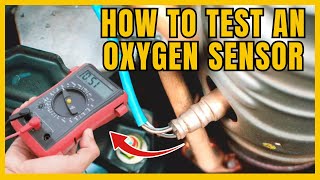
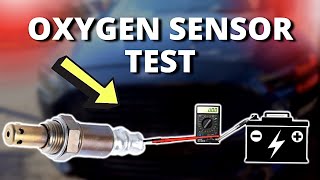
Technical Specifications
Most models use a single-wire, unheated sensor with M18-1.50 threads. Later models may use a 3-wire or 4-wire heated sensor. Always verify the wire count on your van before purchasing.
We Have This Part in Stock

The information in this article is provided for general reference and educational purposes only. Vehicle specifications, procedures, and part compatibility can vary by production date, trim level, and region. Always consult your vehicle's factory service manual and verify part numbers before purchasing or performing repairs. Safety-critical components such as airbags, seat belts, and braking systems should be installed by a qualified professional.
- Chevrolet G30: