

GMC G3500 1980-1991 Oxygen Sensor: A Vehicle-Specific Guide
Everything you need to know about replacing the oxygen sensor on your 1980-1991 GMC G3500 van.
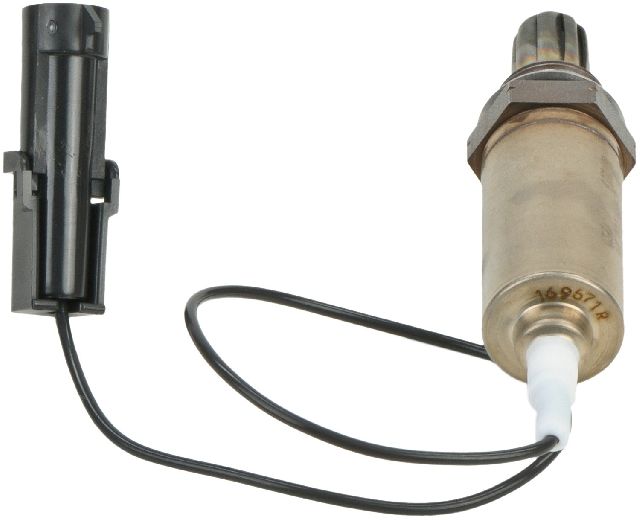
- Your G3500 has only one upstream oxygen sensor, but you must verify if you need a 1-wire or 3-wire version.
- A bad sensor will cause poor gas mileage, a rough idle, and will eventually damage the catalytic converter.
- The original sensor is likely seized; soak it with penetrating oil before trying to remove it.
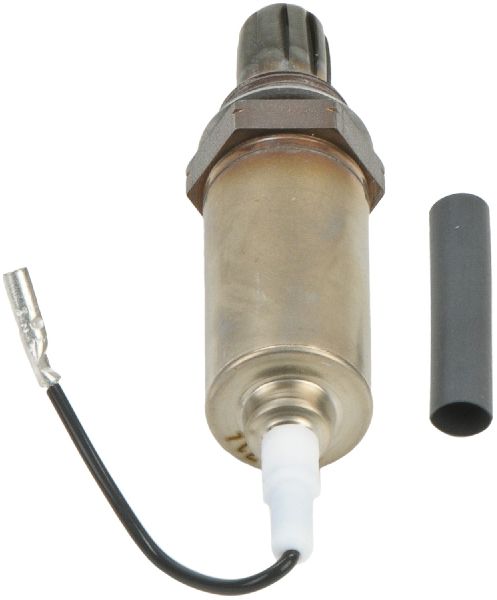
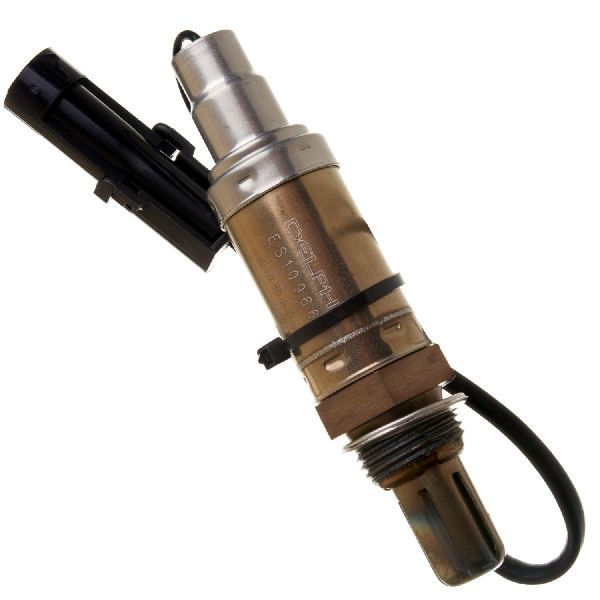
- Choose a quality aftermarket brand like Bosch, NGK/NTK, or Delphi for reliable performance on your GM TBI engine.
Is Your G3500's Oxygen Sensor Failing?
The oxygen sensor is a wear-and-tear item. After thousands of miles of exposure to intense heat and exhaust gases, it will eventually fail. On an older van like the 1980-1991 G3500, it's a common replacement. When the sensor goes bad, it sends wrong information to the engine's computer, leading to a variety of issues. Ignoring a bad O2 sensor can cause poor performance and may even damage your expensive catalytic converter over time.
Choosing the Right Aftermarket Oxygen Sensor
For a vehicle from this era, you don't need to hunt down a rare, expensive OEM part. Quality aftermarket brands offer excellent performance and value. The most important thing is to buy the correct type for your specific year and engine, as some are 1-wire (unheated) and others are 3-wire (heated).
Aftermarket Brand Tiers
| Tier | Brands | Quality & Performance Notes |
|---|---|---|
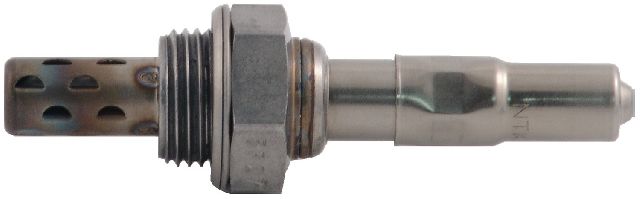
| Tier 1: Recommended | Bosch, NGK (NTK), Delphi | These brands are well-regarded OEM suppliers and offer direct-fit replacements that are known to work well with GM's TBI system. Bosch was an original equipment supplier for many GM trucks of this era. NGK/NTK and Delphi are also trusted for their reliability and performance. |
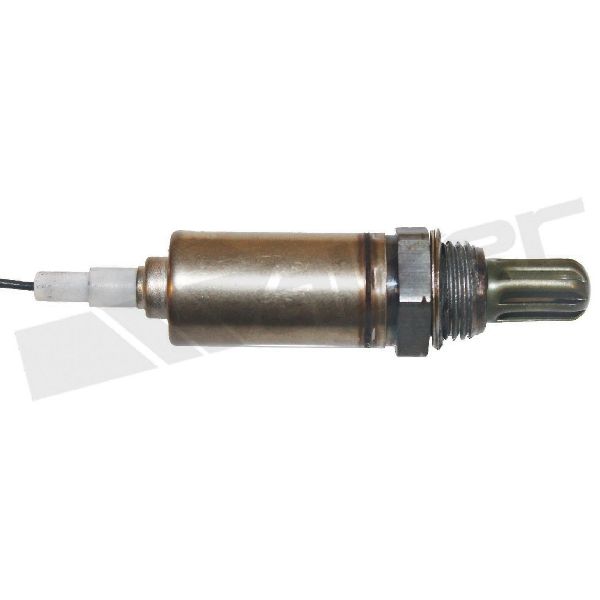
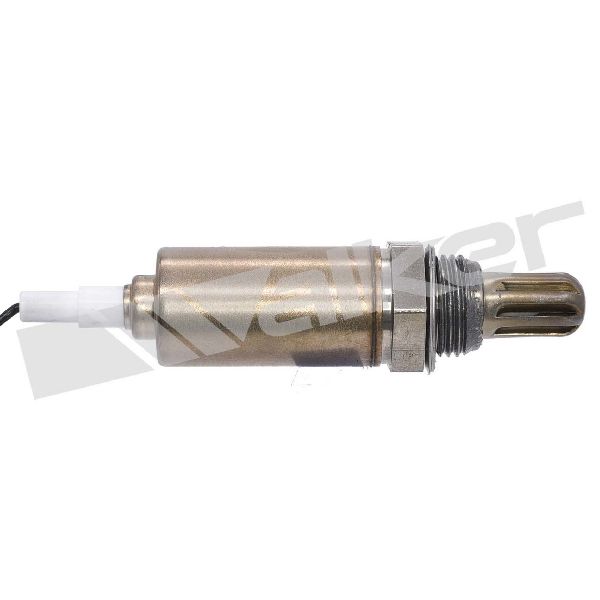
| Tier 2: Standard Aftermarket | Walker Products | Walker is a well-known name in exhaust and emissions components. Their sensors are a reliable mid-range option that should perform as expected. |
| Tier 3: Economy | DriveWire | These are budget-friendly options. While they will work, their long-term durability and the precision of their readings may not match the Tier 1 brands. They can be a choice if the budget is the primary concern. |
Known Issues for the 1980-1991 GMC G3500
No specific recalls or technical service bulletins (TSBs) from the NHTSA exist for the oxygen sensor on this particular vehicle range. The primary issue owners face is the sensor seizing in the exhaust pipe due to age, heat, and rust. This can make removal difficult. Applying a quality penetrating oil generously and letting it soak (even overnight) is highly recommended before attempting the replacement.
Installation Pro-Tip
The original sensor can be extremely difficult to remove. Use a special O2 sensor socket, which has a slot for the wire. If it's completely stuck, you may need to cut the wire of the old sensor to fit a six-point deep socket over it for better grip. In tough cases, heating the exhaust pipe bung (the threaded part the sensor screws into) with a torch can help break it free. Always apply the included anti-seize compound to the threads of the new sensor, but be careful not to get any on the sensor tip itself.
Frequently Asked Questions (FAQ)
How many oxygen sensors does my 1980-1991 G3500 have?
Your van has only one oxygen sensor. It is located 'upstream' of the catalytic converter.
Where is the oxygen sensor located?
It is usually found on the driver's side, either in the exhaust manifold or in the 'Y-pipe' where the two sides of the exhaust merge into one pipe before the catalytic converter.
Is my van's oxygen sensor heated or unheated?
It depends on the year and engine. Earlier models in this range often use a simple 1-wire unheated sensor. Later models (around 1990-1991) may use a 3-wire heated sensor, which starts working more quickly. It is critical to check your existing sensor or parts manual to buy the correct one.
What tools do I need to replace the oxygen sensor?
You will need a 7/8-inch (or 22mm) wrench, but a special O2 sensor socket is highly recommended. You should also have penetrating oil, and potentially a hammer and torch for a stuck sensor. A wire brush for cleaning the threads in the exhaust pipe is also helpful.
Do I need to reset the computer after replacing the sensor?
Yes, it's a good idea. On these older vans, you can reset the Engine Control Module (ECM) by simply disconnecting the negative battery terminal for about a minute. This will clear the stored fault codes and allow the computer to learn with the new sensor data.
Technical Specifications
Your vehicle uses a single upstream oxygen sensor. Depending on the model year, this will either be a 1-wire unheated sensor or a 3-wire heated sensor. The sensor thread requires a 7/8" (22mm) wrench or a specialized O2 sensor socket for removal and installation.
We Have This Part in Stock

The information in this article is provided for general reference and educational purposes only. Vehicle specifications, procedures, and part compatibility can vary by production date, trim level, and region. Always consult your vehicle's factory service manual and verify part numbers before purchasing or performing repairs. Safety-critical components such as airbags, seat belts, and braking systems should be installed by a qualified professional.
- GMC G3500: