

Dodge Monaco 1980-1992 Catalytic Converter: A Comprehensive Guide
Find the right replacement catalytic converter to keep your classic Dodge Monaco running clean and passing emissions.
- You must identify your Monaco: a rear-wheel-drive 1980-81 model or a front-wheel-drive 1990-92 model, as the parts are different.
- Direct-fit converters are available for 1990-92 models, making replacement easier. 1980-81 models will likely require a universal, weld-in converter.
- A new converter can be ruined by existing engine problems like misfires or oil burning. Diagnose the root cause of failure before replacement.
- MagnaFlow and Walker are well-regarded brands for quality and fit, while AP Exhaust and Eastern Catalytic offer more budget-friendly solutions.
Two Cars, One Name: A Critical Note for Monaco Owners
Before buying a catalytic converter, you must know which Dodge Monaco you own. The name was used on two completely different cars during this period, and the parts are not interchangeable.
- 1980-1981 Dodge Monaco: This is a full-size, rear-wheel-drive car built on Chrysler's R-body platform. These models often use a universal-style catalytic converter that may require cutting and welding for installation.
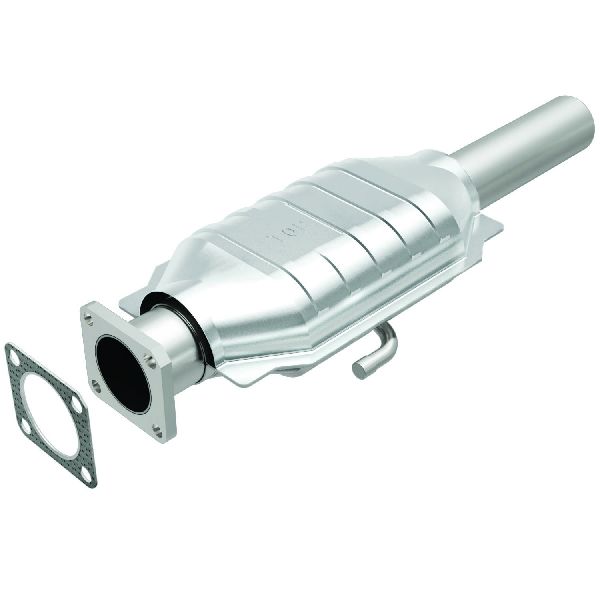
- 1990-1992 Dodge Monaco: This is a mid-size, front-wheel-drive sedan based on the Eagle Premier platform, equipped with a 3.0L V6 engine. For this version, you can find direct-fit, bolt-on catalytic converters that are much easier to install.
Always confirm your vehicle's year and drivetrain before ordering a part.
Symptoms of a Failing Catalytic Converter
When a catalytic converter goes bad, your car will tell you. Look out for these common signs:
- Sluggish Engine Performance: If the converter is clogged, your engine can't breathe out properly. This causes a loss of power, poor acceleration, and a feeling that the car is struggling to go.
- Rotten Egg Smell: A distinct sulfur or rotten egg smell from the exhaust is a classic sign. This means the converter is not properly processing the exhaust gases.
- Rattling Noises: The honeycomb material inside the converter can break apart with age. If you hear a rattling or shaking sound from under the car, it could be loose pieces inside the converter.
- Check Engine Light: On 1990-1992 models, a failing converter can trigger the check engine light. The most common trouble code is P0420, which indicates low catalyst efficiency.
- Reduced Fuel Economy: A clogged converter makes your engine work harder, which means it burns more fuel.
Fix the Cause, Not Just the Symptom
A catalytic converter doesn't usually fail on its own. It's often killed by another problem, like an engine that burns oil or coolant, or a misfire that sends unburned fuel into the exhaust. This unburned fuel can superheat and melt the inside of the converter. Before replacing your converter, make sure your engine is in good running condition to avoid damaging the new part.
Choosing the Right Aftermarket Converter
Original OEM parts for these vehicles are long discontinued, so an aftermarket part is your only option. They fall into a few quality tiers:
- Premium (MagnaFlow): Brands like MagnaFlow are known for high-quality stainless steel construction and excellent performance. They cost more but are built to last and are often a good choice if you plan to keep your Monaco for a long time.
- Standard (Walker Exhaust): Walker is a well-respected brand that offers reliable, OEM-style replacements. They are known for good fitment on direct-fit applications and offer a great balance of quality and price for a daily driver.
- Economy (AP Exhaust, Eastern Catalytic): These brands provide budget-friendly options that will get your car back on the road and pass emissions. While they meet basic requirements, some users report that their lifespan may not be as long as premium brands. Eastern Catalytic is noted for its wide range of direct-fit parts.
| Part/Service | Estimated Cost |
|---|---|
| New Aftermarket Catalytic Converter | $136.68 - $206.37 |
| Shop Labor (Bolt-on, 1990-92) | $125 - $250 |
| Shop Labor (Weld-in, 1980-81) | $200 - $400 |
Frequently Asked Questions
Do I need a special converter for California (CARB)?
Yes, if your vehicle is registered in California, Colorado, New York, or Maine, you may need a converter that is compliant with the California Air Resources Board (CARB). These converters are more expensive due to higher-quality materials. Most aftermarket converters are "Federal" or "EPA" compliant, which is suitable for all other states. Always check your local laws before purchasing.
Is it hard to replace a catalytic converter myself?
For a 1990-1992 Monaco with a direct-fit, bolt-on converter, the job is possible for a DIY mechanic with the right tools, like socket wrenches and penetrating oil for rusted bolts. For a 1980-1981 model that likely needs a universal converter, the job is much harder as it requires cutting the exhaust pipe and welding the new converter in place. This is best left to a professional exhaust shop.
Were there any recalls for the Dodge Monaco catalytic converter?
No specific recalls or Technical Service Bulletins (TSBs) were found for the catalytic converters on the 1980-1992 Dodge Monaco models. Any recalls found online are for much newer Dodge vehicles.
Can I just remove the catalytic converter?
No. Removing the catalytic converter is illegal in all 50 states for road-driven vehicles. It will cause your vehicle to fail any emissions test, and on the 1990-92 models, it will likely cause a persistent check engine light and poor engine performance.
Technical Specifications
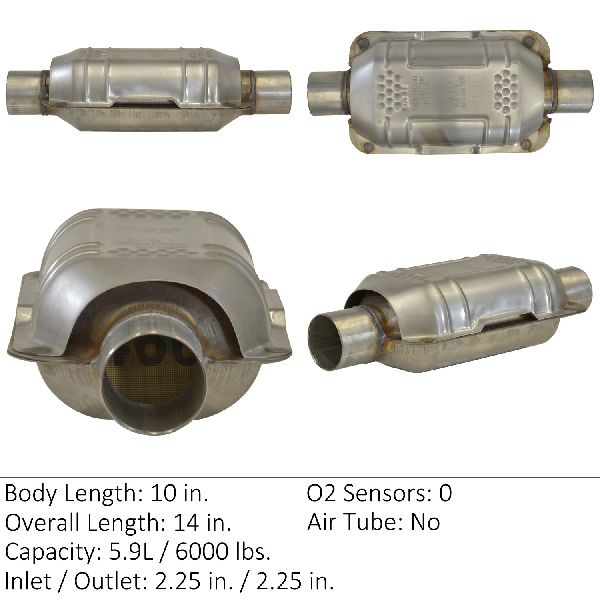
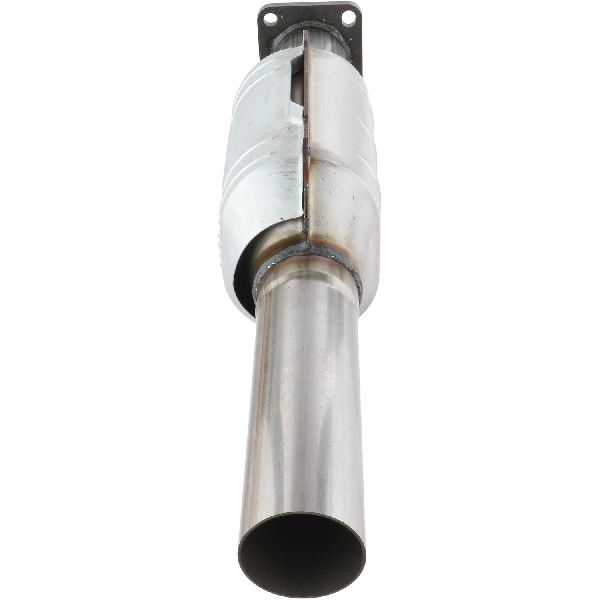
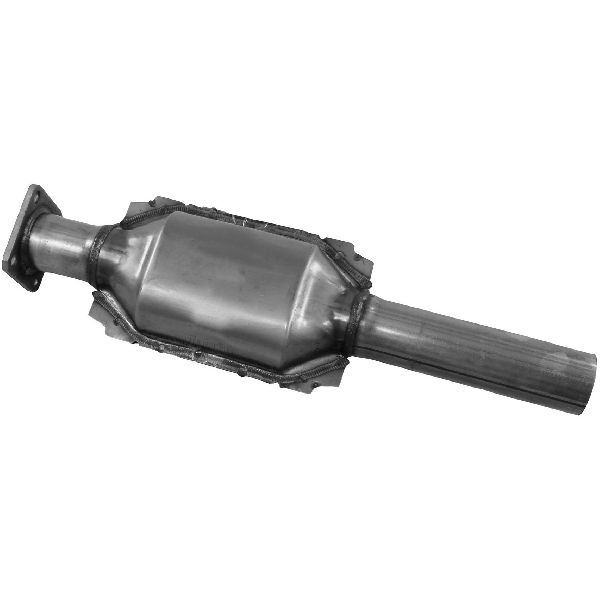
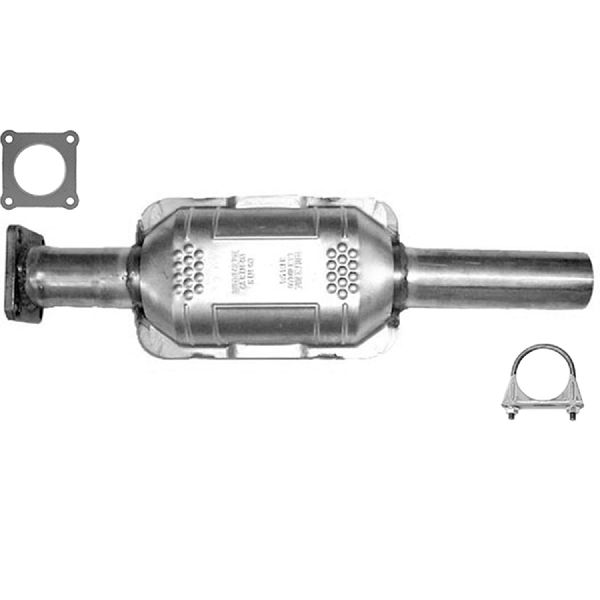
Fitment varies by year. The 1990-1992 model uses a direct-fit converter for the 3.0L V6. The 1980-1981 models typically use a universal converter. Aftermarket options are available in Federal/EPA and CARB-compliant versions.
We Have This Part in Stock

The information in this article is provided for general reference and educational purposes only. Vehicle specifications, procedures, and part compatibility can vary by production date, trim level, and region. Always consult your vehicle's factory service manual and verify part numbers before purchasing or performing repairs. Safety-critical components such as airbags, seat belts, and braking systems should be installed by a qualified professional.
- Dodge Monaco: