

Toyota Corolla Radiator Guide: 1980-1992
Keep your classic Corolla's engine from overheating by understanding what to look for in a new radiator.
- Radiator failure in a 1980-1992 Corolla is usually due to age, causing leaks and overheating.
- Replacing the radiator is a straightforward DIY job for this vehicle.
- For a daily driver, a quality aftermarket brand like Spectra or Nissens offers a good balance of price and reliability.
- Always replace radiator hoses with the radiator and use the correct type of coolant to prevent future issues.
Is Your Corolla's Radiator Failing?
For a car from the 1980s or early 90s, the radiator has worked hard for a long time. Failures are usually due to age. The plastic parts can become brittle and crack, seams can leak, and the metal fins can get clogged or corroded. Here are the most common signs that your radiator needs to be replaced:
- Engine Overheating: The most serious sign. If your temperature gauge is in the red or you see steam from the engine, pull over immediately. Driving with an overheating engine can cause severe damage.
- Coolant Leaks: Finding puddles of bright green, pink, or orange liquid under your car is a clear sign of a leak. This could be from the radiator itself or a connecting hose.
- Low Coolant Levels: If you have to add coolant frequently, you likely have a slow leak somewhere in the system.
- Discolored Coolant: If the coolant in your reservoir looks rusty, brown, or sludgy, it can mean the inside of your radiator is corroding. This rusty coolant doesn't cool as effectively and can clog the system.
- Bent or Clogged Fins: Look at the front of the radiator. If the small metal fins are bent, blocked with debris, or corroded, it can't cool efficiently.
Can I Drive with a Bad Radiator?
If your engine is actively overheating or you have a major coolant leak, the answer is no. Continuing to drive can lead to catastrophic engine failure. If you only have a very minor leak and the engine temperature is stable, you might be able to drive a short distance to a repair shop, but it's a risk.
Choosing a New Aftermarket Radiator
For a 1980-1992 Corolla, finding a new Original Equipment Manufacturer (OEM) radiator from Toyota is nearly impossible. Aftermarket parts are your main option, and many offer quality that is as good as or better than the original. Aftermarket brands generally fall into a few tiers:
Brand Quality Tiers
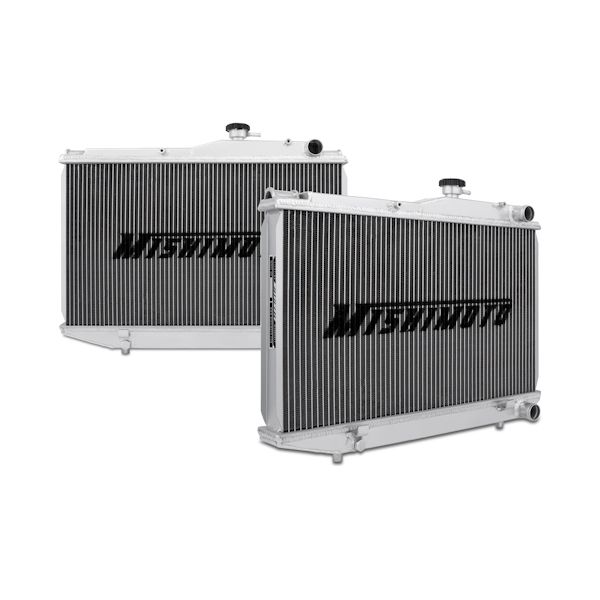
- Performance Upgrade (e.g., Mishimoto, CSF Radiator): These brands build radiators for enthusiasts and those who want extra cooling performance. They often use all-aluminum construction and high-efficiency cores. CSF is known for consistent performance under heavy loads, while Mishimoto is a popular, accessible upgrade, though some users report quality can vary.
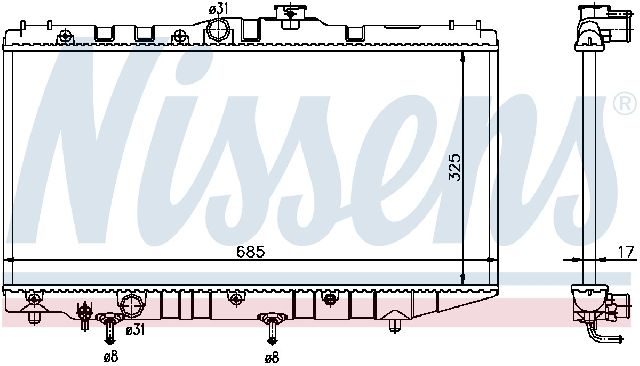
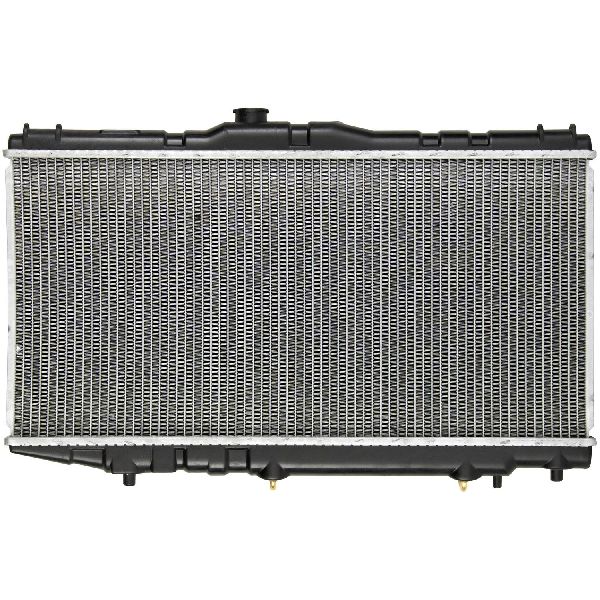
- OEM-Quality Replacement (e.g., Spectra, Nissens): These brands aim to match the fit and function of the original part. They are a reliable choice for daily driving. Nissens is often seen as a good balance of cost and function, though build quality might be lighter than the original. Spectra is also a well-regarded option with a reputation for good fitment.
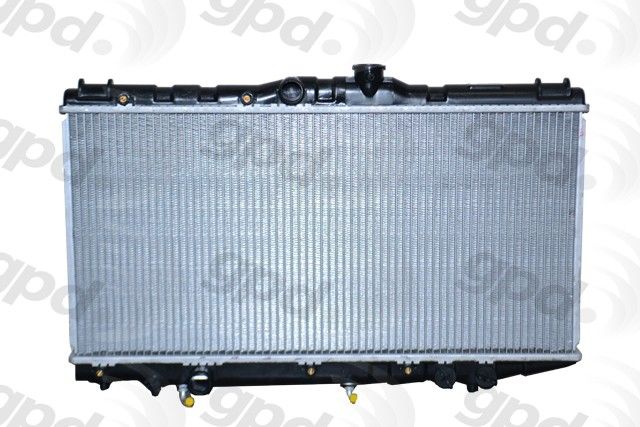
- Economy/Budget (e.g., APDI, Global Parts, One Stop Solutions): These are the most affordable options. They get the job done, but may not have the same long-term durability or perfect fit as higher-priced brands. Some users have reported issues with the quality and fit of brands like APDI.
Pro Tip: Check the Core
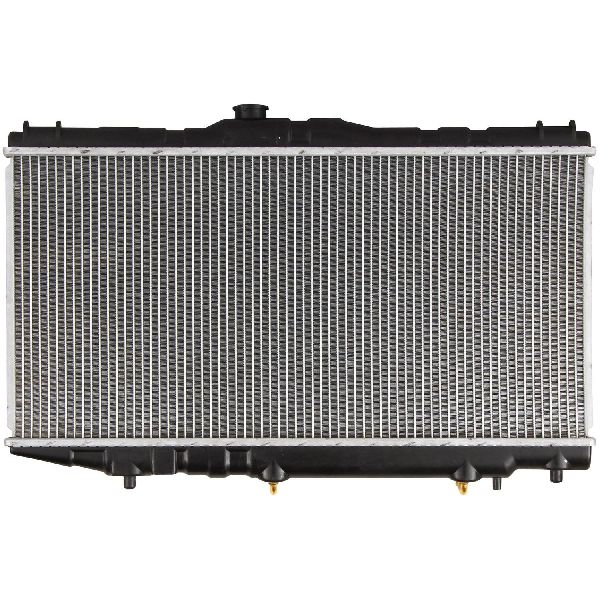
When buying a new radiator, pay attention to the core material and design. The original radiators in these Corollas were often copper/brass. Most modern replacements are aluminum with plastic tanks, which is a proven and efficient design. For extra durability or performance, an all-aluminum radiator is a great upgrade.
| Part | Estimated Cost |
|---|---|
| New Aftermarket Radiator | $126.64 - $349.95 |
| Shop Labor | $150 - $300 |
| Total Estimated Cost | $276.64 - $649.95 |
Frequently Asked Questions (FAQ)
Is replacing the radiator a good DIY project?
Yes, for this generation of Corolla, it is a very feasible DIY job for someone 🎬 See how to replace a radiator on your Toyota Corolla. with basic hand tools. The process involves draining the coolant, disconnecting hoses, unbolting the old radiator 🎬 Watch this step-by-step guide on removing an AE92 Corolla radiator., and installing the new one. There are many video guides available online that show the process on similar vehicles 🎬 Learn how to remove and re-install your Corolla's radiator..
Do I need to replace my radiator hoses at the same time?
It is highly recommended. Radiator hoses are made of rubber and degrade over time. Since you have to remove them to replace the radiator anyway, installing new hoses is cheap insurance against a future failure.
What kind of coolant should I use?
Always use the type of coolant specified for your vehicle. For older Toyotas, this is typically a traditional green or Toyota-specific red coolant. Using the wrong type can cause corrosion and damage to the cooling system. Check your owner's manual or a reliable source to be sure.
Are there any recalls for the 1980-1992 Corolla radiator?
No. Searches of the National Highway Traffic Safety Administration (NHTSA) database show no recalls related to the radiator or cooling system for the 1980-1992 Toyota Corolla. A recall was issued for 1992 models for an incorrect information label, but it was not related to a safety defect with the radiator.
Helpful Videos
Technical Specifications
Varies by specific year and model (manual vs. automatic transmission). Most aftermarket radiators for this era are plastic tank with aluminum core construction. Some performance options are all-aluminum. Always verify fitment for your exact vehicle.
We Have This Part in Stock


The information in this article is provided for general reference and educational purposes only. Vehicle specifications, procedures, and part compatibility can vary by production date, trim level, and region. Always consult your vehicle's factory service manual and verify part numbers before purchasing or performing repairs. Safety-critical components such as airbags, seat belts, and braking systems should be installed by a qualified professional.
- Toyota Corolla: