

A Guide to the Oxygen Sensor for the 1980-1993 Chevrolet Camaro
Restore your Third-Gen Camaro's performance and fuel economy by understanding this critical engine management sensor.
- A failing oxygen sensor will cause poor gas mileage, rough idling, and a check engine light.
- For reliability, choose a premium aftermarket brand like ACDelco, Denso, or NGK (NTK).
- Use a special slotted oxygen sensor socket and penetrating oil to make removal from the old, rusty exhaust much easier.
- Consider upgrading from a 1-wire unheated sensor to a 3-wire heated sensor for better performance, especially with aftermarket headers.
Is My Camaro's Oxygen Sensor Failing?
A bad oxygen sensor can cause noticeable problems. Because it directly affects the air-to-fuel mixture, failure often leads to poor engine performance. You might notice one or more of these common symptoms.
Choosing the Right Aftermarket O2 Sensor
When replacing the oxygen sensor on your 1980-1993 Camaro, you have several good aftermarket options. Not all brands are created equal, but you don't necessarily need to buy the most expensive part to see good results.
Brand Tiers for Your Camaro
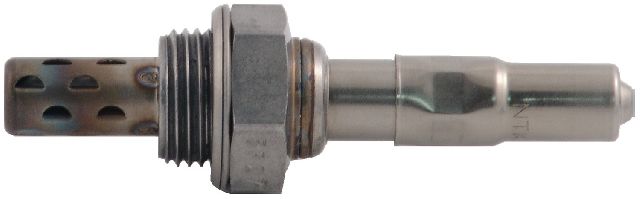
- Premium Brands (OEM Equivalent): ACDelco is the original equipment manufacturer for GM, so their parts are a reliable choice for a direct replacement. Denso and NGK (NTK) are also highly regarded in owner forums for their reliability and performance, often considered equal to or better than OEM. These brands are trusted for providing accurate readings and long service life.
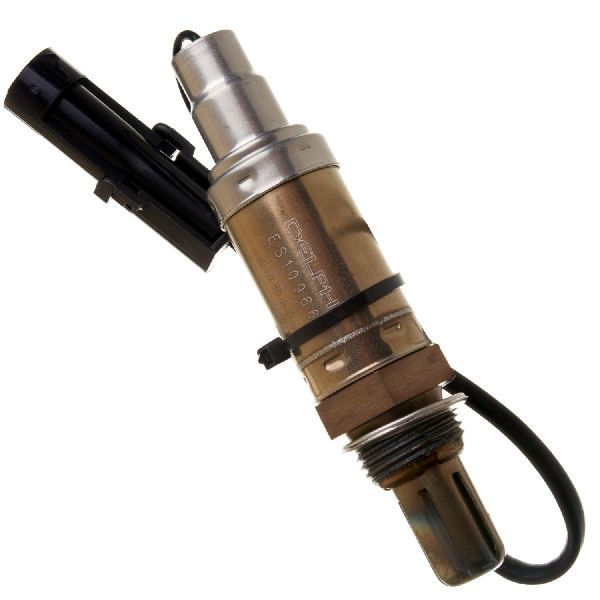
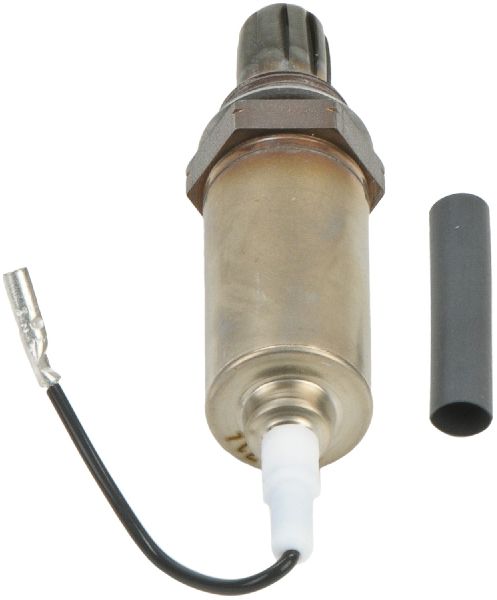
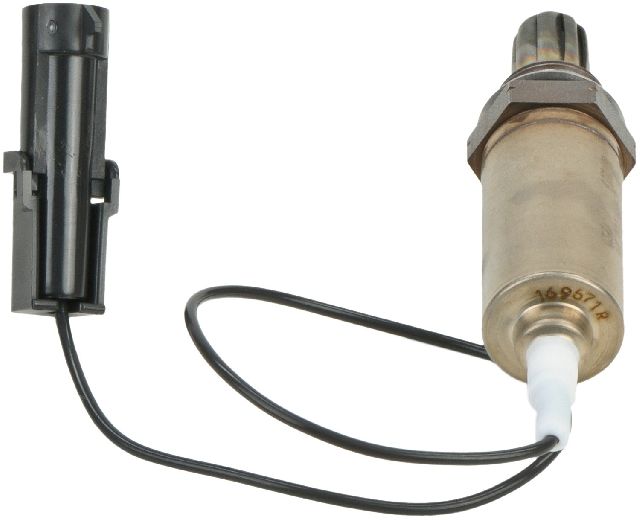
- Quality Aftermarket Brands: Bosch is a well-known brand that invented the O2 sensor. While some owners have reported issues with Bosch sensors on these specific cars, many others use them without problems. Delphi is another solid choice that provides good performance and is often recommended by Camaro owners.
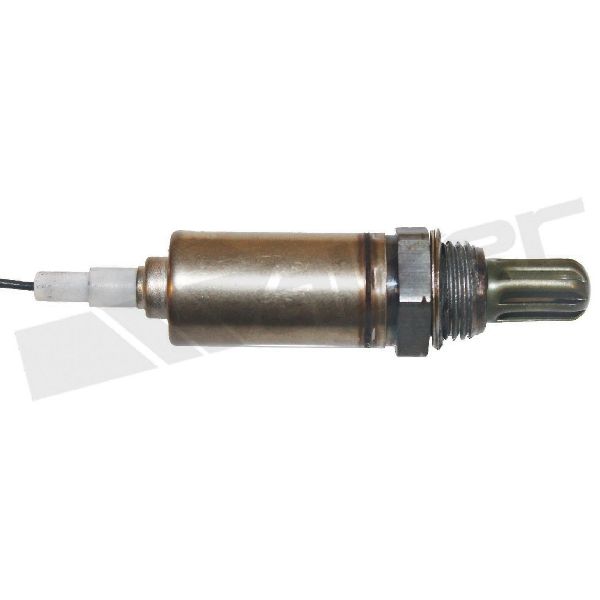
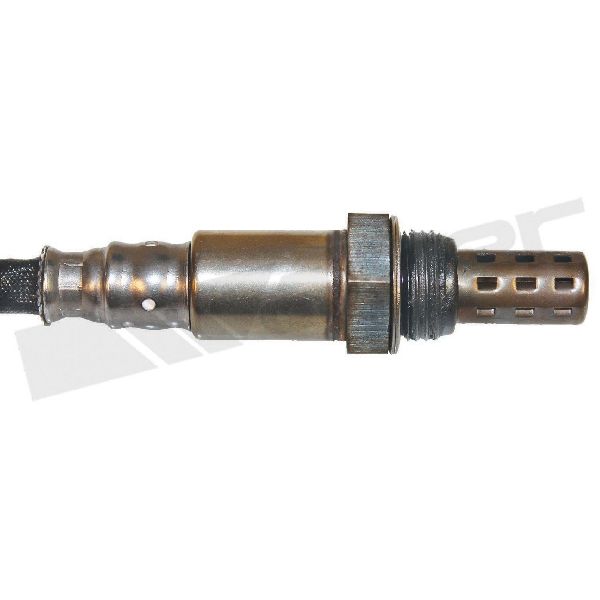
- Budget-Friendly Brands: Brands like Walker Products, Spectra, and DriveWire offer a more affordable solution. These can be a good option if budget is a primary concern, but they may not offer the same longevity or precise calibration as premium brands.
Heated vs. Unheated Sensors
Your Camaro may have come with a 1-wire (unheated) or 3-wire/4-wire (heated) oxygen sensor. Unheated sensors rely on hot exhaust gas to reach operating temperature, which can take time. Heated sensors have an internal heater that gets them working much faster, which improves fuel control during cold starts. Many owners of Camaros with headers upgrade to a heated sensor, as the sensor is often relocated further from the engine where exhaust gases are cooler. This requires some simple wiring modifications but is a popular and effective upgrade.
Typical Replacement Costs
The cost to replace an oxygen sensor on a 1980-1993 Camaro is reasonable. The part itself is affordable, and if you have the right tools, you can save money on labor by doing it yourself.
| Item | Estimated Cost |
|---|---|
| New Aftermarket Oxygen Sensor | $21.55 - $60.38 |
| Shop Labor | $50 - $120 |
| Total Estimated Cost | $71.55 - $180.38 |
Potential Installation Issues
Oxygen sensors are screwed into the exhaust manifold or pipe, which gets extremely hot. Over many years, they can become seized due to rust and corrosion. Always soak the old sensor with penetrating oil for several hours or overnight before attempting removal. Access can also be very tight, especially on TPI engines, with fuel and brake lines in the way. Using a special O2 sensor socket with a slot for the wire is highly recommended and makes the job much easier.
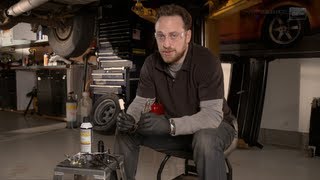
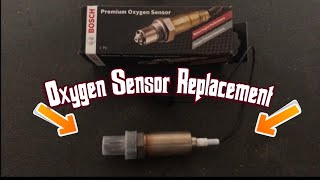
🎬 Watch: A step-by-step guide to replacing your oxygen sensor.Frequently Asked Questions
How many oxygen sensors does my 1980-1993 Camaro have?
Most Camaros from this generation have only one oxygen sensor. It is located "upstream," meaning it is in the exhaust manifold or y-pipe before the catalytic converter. 🎬 See how to swap an O2 sensor on GM engines. Later model vehicles (mid-90s and newer) have additional downstream sensors after the converter, but this is not typical for the third-generation Camaro.
Should I buy a direct-fit or universal sensor?
A direct-fit sensor comes with the correct plug to connect directly to your car's wiring harness. A universal sensor is cheaper but requires you to cut the plug off your old sensor and splice it onto the new one. For a simpler, more reliable installation, a direct-fit sensor is strongly recommended.
Can I clean my old oxygen sensor?
While some people attempt to clean O2 sensors, it is generally not effective. Contaminants like carbon, oil, or antifreeze can permanently damage the sensor's internal element. Given the low cost of a new sensor, replacement is the best and most reliable solution.
Do I need to use anti-seize on the new sensor?
Yes. Most new oxygen sensors come with a small packet of anti-seize compound or have it pre-applied to the threads. This lubricant prevents the new sensor from getting stuck in the exhaust, making future removal much easier. Be careful not to get any anti-seize on the tip of the sensor itself, as this can contaminate it and cause it to fail.
Helpful Videos
Technical Specifications
OEM Part Numbers: 19473526 AFS74
Most 1980-1993 Camaros use a single, upstream oxygen sensor. Depending on the specific year and engine (V6, TBI V8, TPI V8), it may be a 1-wire unheated or a 3-wire heated sensor. The thread size is typically M18x1.5, and a 7/8-inch (22mm) wrench or special socket is required for removal and installation.
We Have This Part in Stock

The information in this article is provided for general reference and educational purposes only. Vehicle specifications, procedures, and part compatibility can vary by production date, trim level, and region. Always consult your vehicle's factory service manual and verify part numbers before purchasing or performing repairs. Safety-critical components such as airbags, seat belts, and braking systems should be installed by a qualified professional.
- Chevrolet Camaro: