

Dodge D150 Engine Coolant Temperature Sensor: A Complete Guide (1980-1993)
Understanding, diagnosing, and replacing the engine coolant temperature sensor on your classic Dodge D150 truck.
- Verify if you need the two-wire SENSOR (for the computer) or the one-wire SENDER (for the gauge).
- A bad sensor primarily causes poor fuel economy, black smoke, and a rough idle.
- High-quality aftermarket brands like Delphi, NGK, and Standard Motor Products are excellent choices for this part.
- Do not use thread sealant when installing the new sensor, as it requires a metal-to-metal ground connection to work correctly.
Is It the Sensor or the Sender? A Common D150 Question
On 1980-1993 Dodge trucks, there are two different parts that measure coolant temperature, which often causes confusion. It is critical to identify which one has failed before buying a replacement.
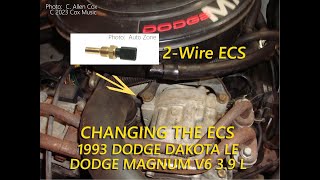
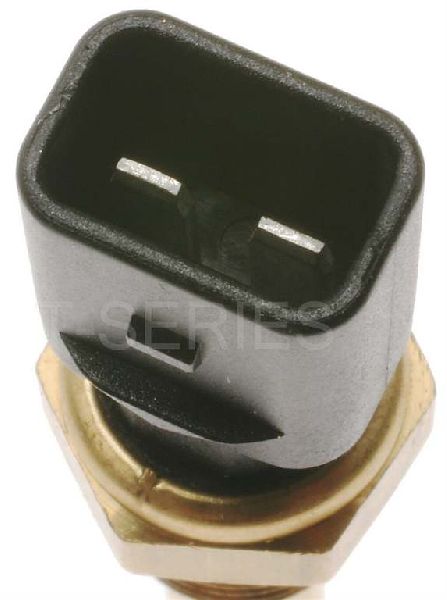
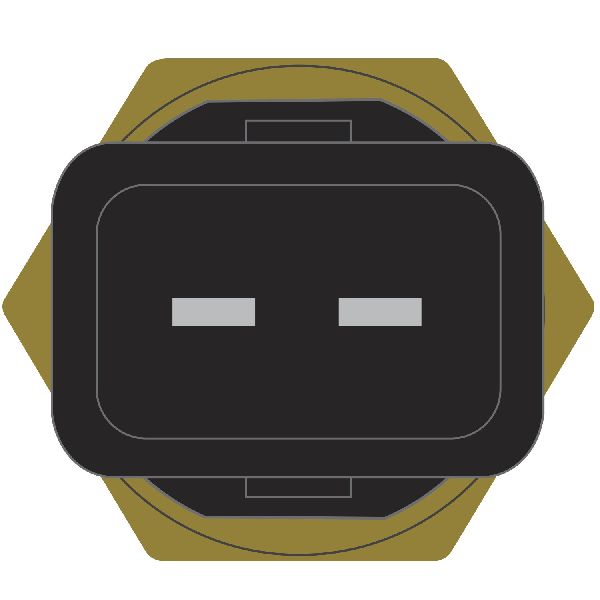
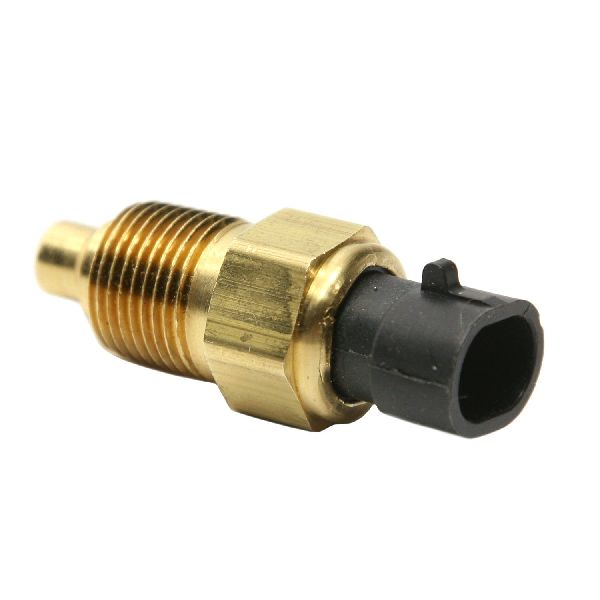
- Engine Coolant Temperature (ECT) Sensor: This part is for the computer. It has a two-wire electrical connector and tells the engine's computer the coolant temperature. A failure here affects engine performance, fuel economy, and emissions.
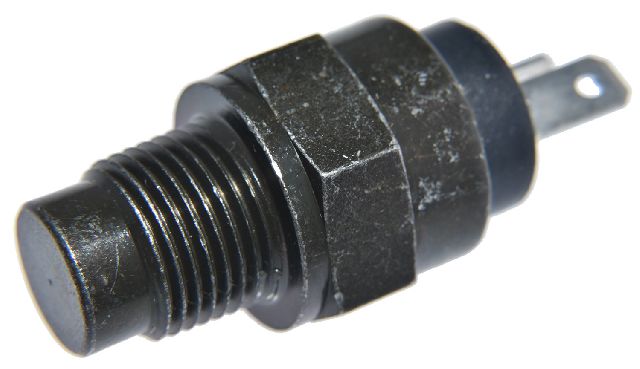
- Coolant Temperature Sender (or Sending Unit): This part is for the driver. It has a single-wire connector and its only job is to operate the temperature gauge on your dashboard. If your gauge is acting up but the truck runs fine, the sender is likely the problem, not the sensor.
This guide focuses on the two-wire Engine Coolant Temperature Sensor that communicates with the engine computer.
Symptoms of a Failing ECT Sensor
When the ECT sensor sends incorrect information to the engine computer, it can cause a number of noticeable problems:
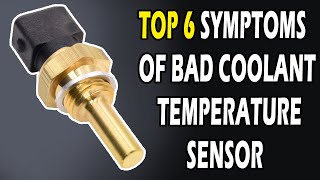
🎬 Watch: 6 common signs of a failing coolant temperature sensor- Poor Fuel Economy: This is the most common symptom. If the sensor is stuck reading "cold," the computer will continuously send extra fuel, thinking the engine is still warming up.
- Black Smoke from Exhaust: A rich fuel mixture from a bad sensor can result in unburned fuel exiting through the exhaust, creating black smoke.
- Rough Idle or Stalling: The incorrect fuel and air mixture can make the engine run rough, hesitate, or stall, especially at idle.
- Check Engine Light: On later models (around 1992-1993), a faulty sensor can trigger a Check Engine Light. A common fault code for this issue is Code 17.
- Hard Starting: The engine may be difficult to start, either hot or cold, because the computer is getting the wrong temperature information.
Choosing the Right Aftermarket Sensor
For a vehicle like the 1980-1993 D150, a quality aftermarket sensor is a reliable and affordable alternative to expensive OEM parts. However, quality can vary between brands. Here’s a breakdown of available options.
Tier 1: Premium Aftermarket Brands
These brands are known for quality engineering and rigorous testing, often meeting or exceeding original specifications. They are an excellent choice for owners who want reliability and accuracy.
- Delphi: A well-respected OE supplier with a strong aftermarket presence. Delphi sensors are known for accurate readings, though it's always wise to double-check that the specific part number matches your connector.
- NGK / NTK: NTK is the sensor division of NGK. They are a top-tier manufacturer known for precision and durability in engine management parts.
- Standard Motor Products (SMP): Also sold under the 'Standard Ignition' brand, SMP parts are trusted in the industry. They often feature brass casings for better durability and are subject to extensive testing.
Tier 2: Standard Replacement Brands
These brands offer a good balance of value and quality. They are a solid choice for daily drivers and budget-conscious repairs.
- Four Seasons
- Walker Products
- Holstein
Tier 3: Economy Brands
These brands provide the most budget-friendly options. While they will function, they may not offer the same long-term durability or precise calibration as premium brands.
- Skyward
- True Tech
- Global Parts
Aftermarket Cost Overview
| Brand Tier | Typical Price Range | Notes |
|---|---|---|
| Premium (Delphi, NGK, Standard) | $25 - $47 | Best for performance and longevity. |
| Standard (Four Seasons, Walker) | $15 - $30 | Good balance of quality and price. |
| Economy (Skyward, True Tech) | $7 - $20 | Functional for basic repairs. |
Installation Tips
Replacing the ECT sensor is a straightforward DIY job that usually takes less than 30 minutes.
- Location: The sensor is typically screwed into the intake manifold, near the thermostat housing at the front of the engine. It will have a two-wire connector.
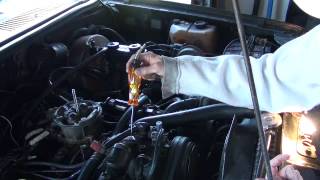
- Procedure: Let the engine cool completely. Place a drain pan under the work area to catch spilled coolant. Disconnect the electrical plug, then use a deep socket wrench to unscrew the old sensor.
- Installation: Screw the new sensor in by hand first to avoid cross-threading, then tighten it snugly with a wrench. Reconnect the electrical plug and top off any lost coolant. 🎬 See this walkthrough for replacing the 2-wire sensor on a Dodge
Pro Tip: Do NOT use thread sealant or Teflon tape on the new sensor's threads unless it comes with a pre-applied sealant. The sensor needs to make metal-to-metal contact with the engine to ground properly. Using sealant can insulate the sensor and cause it to give incorrect readings.
Frequently Asked Questions (FAQ)
Will a bad ECT sensor stop my truck from starting?
It can cause hard starting, but it's unlikely to cause a complete no-start condition on its own. It provides incorrect data that can make starting difficult.
Are there any recalls for the D150 coolant sensor?
No. Searches of the National Highway Traffic Safety Administration (NHTSA) database show no recalls or widespread technical service bulletins (TSBs) for the engine coolant temperature sensor on 1980-1993 Dodge D150 models.
Why is my temperature gauge not working after replacing the sensor?
You likely replaced the wrong part. The two-wire ECT sensor does not control the dashboard gauge. For a dead or erratic gauge, you need to replace the one-wire temperature sender.
Can I use a sensor from a different Dodge truck?
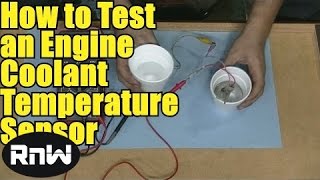
It is not recommended. While sensors may look similar, they can have different resistance values at different temperatures. Always use a part that is specified for your exact year and engine to ensure the computer receives accurate information.
Helpful Videos
Technical Specifications
OEM Part Numbers: 56004815 33004281
Connector Type: 2-Pin Plug. Attachment Method: Screw-In.
We Have This Part in Stock


The information in this article is provided for general reference and educational purposes only. Vehicle specifications, procedures, and part compatibility can vary by production date, trim level, and region. Always consult your vehicle's factory service manual and verify part numbers before purchasing or performing repairs. Safety-critical components such as airbags, seat belts, and braking systems should be installed by a qualified professional.
- Dodge D150:
- 🎬 Helpful Videos
- 🛍️ Shop This Part
- Is It the Sensor or the Sender? A Common D150 Question
- Symptoms of a Failing ECT Sensor
- Choosing the Right Aftermarket Sensor
- Tier 1: Premium Aftermarket Brands
- Tier 2: Standard Replacement Brands
- Tier 3: Economy Brands
- Aftermarket Cost Overview
- Installation Tips
- Frequently Asked Questions (FAQ)
- 🎟️ Get 5% Off