

Dodge W150 Engine Coolant Temperature Sensor: 1980-1993 Replacement Guide
A bad coolant sensor can cause poor fuel economy and rough running in your classic Dodge truck.
- Verify if you need the 2-wire sensor (for the computer) or the 1-wire sender (for the gauge) before buying.
- A bad sensor's most common symptom is a sudden drop in fuel economy.
- This is an easy and inexpensive DIY replacement that can be done in under an hour with basic tools.
- Top aftermarket brands like Delphi and Standard Ignition offer reliable quality for this part.
Is it the Sensor or the Sender? A Common W150 Mistake
On many 1980-1993 Dodge W150 trucks, there are two similar-looking parts. It is critical to identify the correct one before you buy.
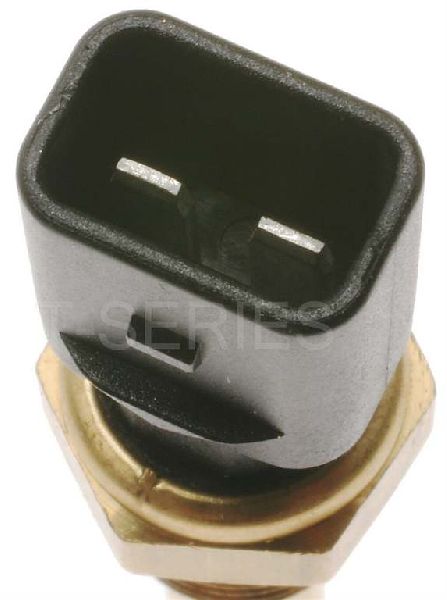
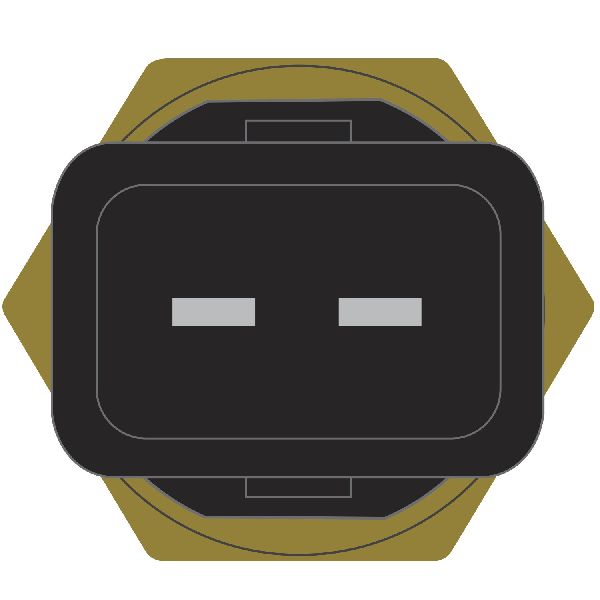
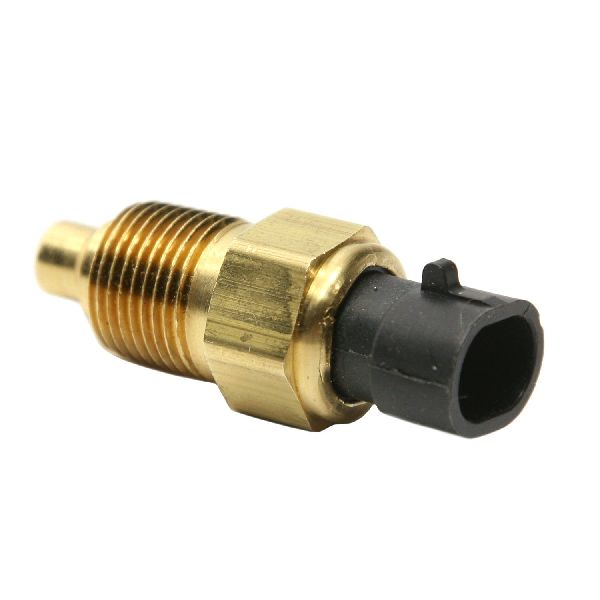
- Engine Coolant Temperature (ECT) Sensor: This part talks to the engine computer. It has a two-wire electrical connector. A failure here affects engine performance, fuel economy, and emissions.
- Coolant Temperature Sender (or Switch): This part controls the temperature gauge on your dashboard. It usually has a single-wire connector. If your gauge is acting up but the truck runs fine, the sender is likely the problem.
Pro Tip: Before ordering, look at the sensor on your engine. Count the number of wires going to it. This is the best way to ensure you get the right part.
Symptoms of a Failing ECT Sensor
When the main ECT sensor fails, it sends incorrect information to the engine computer. The computer might think the engine is always cold, even when it's fully warmed up. This can lead to several noticeable problems:
- Poor Fuel Economy: The most common symptom. The computer provides too much fuel, thinking the engine is cold. This wastes gas.
- Black Smoke from Exhaust: A rich fuel mixture that doesn't burn completely can exit the tailpipe as black smoke.
- Rough Idle: The incorrect air-fuel ratio can make the engine run poorly, especially at idle.
- Engine Overheating: In some cases, a bad sensor can fail to trigger the electric cooling fans (on models equipped with them), leading to overheating.
- Check Engine Light: On later models with OBD (On-Board Diagnostics), a faulty sensor will trigger a Check Engine Light. Common codes include P0115, P0117, and P0118.
- Hard Starting: The engine may be difficult to start, especially when it's already warm, because the computer is providing a cold-start fuel mixture.
Choosing the Right Aftermarket Part
For a straightforward part on a classic truck like the W150, you don't necessarily need to pay top dollar for a dealer part. Aftermarket brands offer a good balance of quality and value. They can be grouped into tiers.
Aftermarket Brand Tiers
| Tier | Brands | General Assessment |
|---|---|---|
| Premium Aftermarket | Delphi, NGK, Standard Ignition (SMP) | These brands have a strong reputation for producing parts that meet or exceed original equipment (OE) specifications. They are known for quality control and durability. Delphi, for example, is an OE supplier for many automakers. |
| Standard Aftermarket | Four Seasons, Walker Products, Global Parts | These are reliable, mid-range brands that offer a good balance of price and performance. They are a popular choice for everyday repairs and are widely available. |
| Economy Aftermarket | Skyward, True Tech, Holstein | These brands focus on providing the most affordable options. For a simple sensor on an older vehicle like the W150, an economy part can be a perfectly acceptable choice to get the truck running right without spending much. |
OEM vs. Aftermarket Quality: While Mopar is the original part manufacturer, the quality of top-tier aftermarket sensors from brands like Delphi or Standard Ignition is often comparable for this component. Given the age of the vehicle and the low cost of the part, a reputable aftermarket sensor is a smart and cost-effective repair.
Known Issues, Recalls, or TSBs
Searches of the National Highway Traffic Safety Administration (NHTSA) database and other technical resources show no specific recalls or Technical Service Bulletins (TSBs) for the engine coolant temperature sensor on the 1980-1993 Dodge W150. Issues with this part are typically due to normal age and wear.
Simple DIY Installation Guide
Replacing the ECT sensor is a beginner-friendly job that usually takes less than an hour.
- Let the Engine Cool: Never work on a hot cooling system. Let the truck sit for several hours.
- Disconnect the Battery: Use a wrench to disconnect the negative battery terminal for safety.
- Locate the Sensor: It's typically on the intake manifold, near the thermostat housing at the front of the engine.
- Prepare for Coolant Loss: Have a drain pan ready under the engine. When you remove the sensor, some coolant will spill out. Work quickly to minimize the loss.
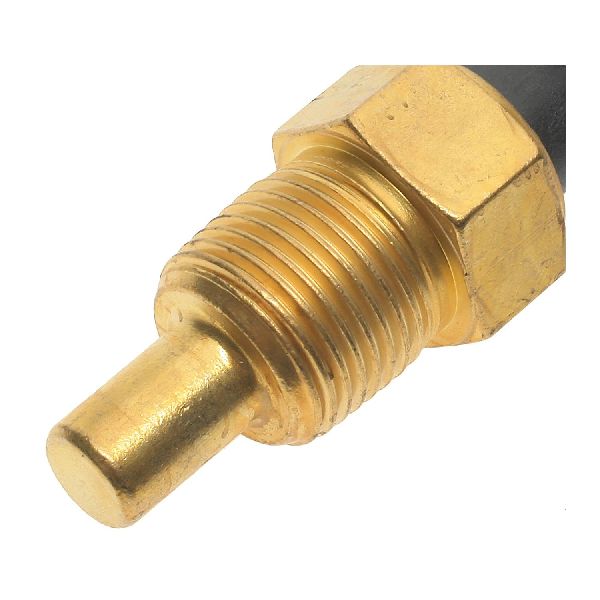
- Remove the Old Sensor: Unplug the electrical connector. Use a deep socket and ratchet to unscrew the old sensor.
- Install the New Sensor: Many new sensors come with thread sealant already applied. Screw the new sensor in by hand first to avoid cross-threading, then tighten it snugly with the socket. Do not overtighten.
- Reconnect and Refill: Plug the electrical connector back in. Reconnect the battery. Top off the radiator with a 50/50 mix of coolant and water to replace what was lost.
Frequently Asked Questions (FAQ)
Where is the ECT sensor located on a Dodge W150?
The sensor is almost always located on the engine's intake manifold, very close to the thermostat housing and the upper radiator hose.
What happens if I don't replace a bad coolant sensor?
You will continue to have poor fuel economy, which costs you money on gas. In the long run, a constantly rich fuel mixture can lead to other problems like fouled spark plugs and a damaged catalytic converter.
Can I replace this sensor myself?
Yes, this is a great DIY task for beginners. It requires basic hand tools and takes less than an hour. The most important step is to make sure the engine is completely cool before you start.
Why is my temperature gauge not working but the truck runs fine?
This means your temperature sender has failed, not the temperature sensor. The sender is a separate part that only controls the gauge and has a single wire. The ECT sensor that affects engine performance has two wires.
Technical Specifications
Connector type and number of pins (1 or 2) are the most critical specifications. This varies by year and engine. Visually inspect the original part before ordering.
We Have This Part in Stock


The information in this article is provided for general reference and educational purposes only. Vehicle specifications, procedures, and part compatibility can vary by production date, trim level, and region. Always consult your vehicle's factory service manual and verify part numbers before purchasing or performing repairs. Safety-critical components such as airbags, seat belts, and braking systems should be installed by a qualified professional.
- Dodge W150: