

Chevrolet Corvette Engine Coolant Temperature Sensor Guide (1980-1994)
Solving common running issues in your C3 or C4 Corvette starts with understanding this critical sensor.
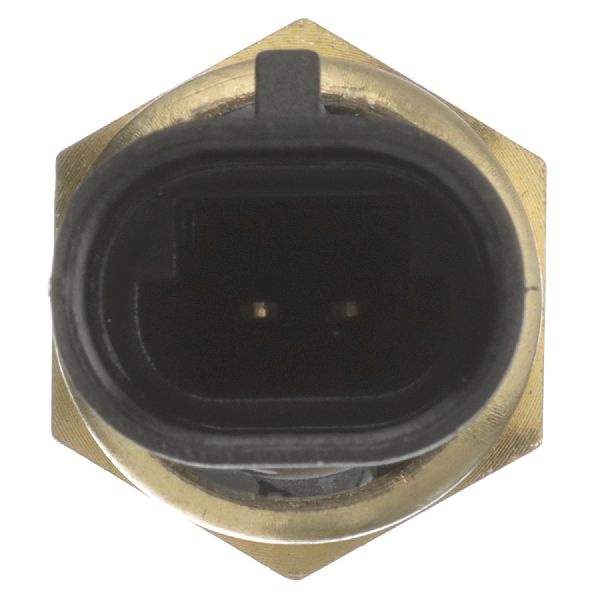
- Crucially distinguish between the two-wire ECT *sensor* for the computer and the one-wire *sender* for the gauge.
- A bad ECT sensor is a very common cause of a rich running condition, poor fuel economy, and black smoke on C4 Corvettes.
- For LT1 (92-94) models, preventing coolant from spilling on the Optispark distributor during replacement is critical to avoid a much more expensive repair.
- ACDelco and Delphi are preferred brands, but be aware that modern versions may have quality control issues; test if possible before installing.
Understanding Your Corvette's Coolant Sensors


Before replacing parts, it's critical to know that 1980-1994 Corvettes have two different coolant temperature components that are often confused. Ordering the wrong one is a common mistake.
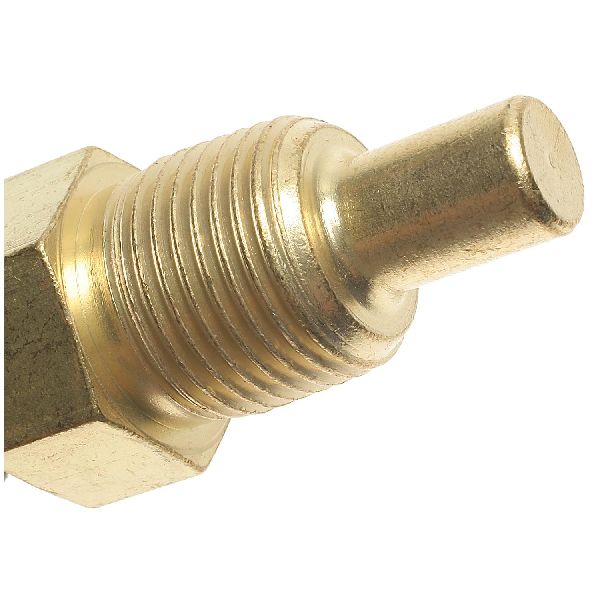
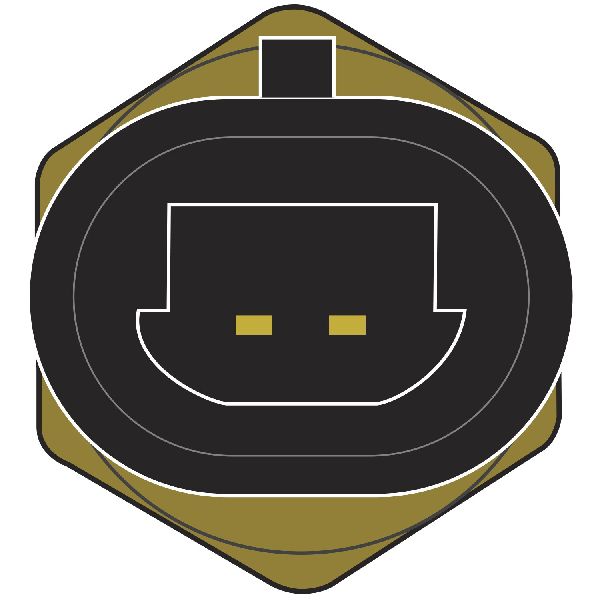
- Engine Coolant Temperature (ECT) Sensor: This two-wire sensor communicates with the engine's computer (ECM). It affects engine performance directly. A failure here will cause running problems. This is the part this guide focuses on.
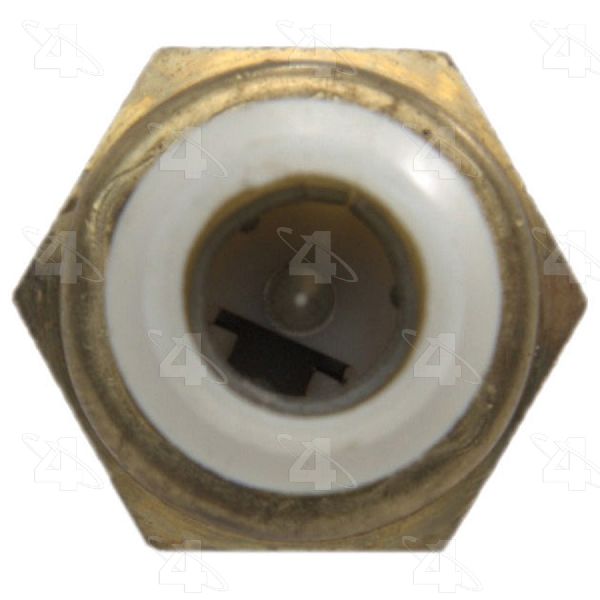
- Engine Coolant Temperature Sender: This is a one-wire unit that operates the temperature gauge on your dashboard. If it fails, your gauge will stop working correctly, but it will not affect how the engine runs.
Location by Engine Type
The location of the primary ECT sensor for the ECM depends on your Corvette's engine:
- 1980-1982 (C3) & 1984-1991 L83/L98 (C4): The sensor is located on the front of the intake manifold, typically underneath the throttle body.
- 1992-1994 LT1 (C4): The sensor is located on the front of the water pump, below the coolant outlet.
Symptoms of a Failing ECT Sensor

When the ECT sensor fails, it usually sends a false signal to the ECM that the engine is extremely cold (e.g., -40°F). This causes the ECM to command a rich fuel mixture, leading to a variety of noticeable problems.
- Poor Fuel Economy: The engine burns more fuel than necessary because the ECM thinks it's constantly in a cold-start state.
- Black Smoke from Exhaust: A classic sign of an overly rich fuel mixture where unburnt fuel is exiting through the exhaust.
- Rough Idle and Stalling: The incorrect air/fuel ratio can make the engine run poorly, especially once it has warmed up.
- Check Engine Light: A faulty sensor will trigger a check engine light. On OBD-I systems like these Corvettes, it often presents as Code 14 or 15. 🎬 See how to diagnose and fix coolant sensor error codes.
- Cooling Fan Issues: The ECM may not turn the cooling fans on when needed, leading to overheating, or it may leave them running constantly.
Pro Tip for LT1 Owners (1992-1994)
When replacing the ECT sensor on the water pump, you MUST prevent coolant from spilling onto the Optispark distributor located directly below it. Coolant will destroy the Optispark, turning a simple, inexpensive repair into a major, costly one. Carefully drain the coolant below the sensor level or use rags and funnels to divert any spillage away from the distributor.
Choosing the Right Aftermarket Sensor

For this part, brand and origin can make a difference in accuracy and longevity.
| Brand Tier | Brands | Assessment |
|---|---|---|
| Tier 1: OEM & Equivalent | ACDelco, Delphi | Historically, these are the original equipment suppliers for GM. However, many owners report that modern ACDelco parts are now made in China and may not have the same accuracy as older parts, sometimes reading 10°F off right out of the box. Despite this, they remain a top choice, but it's wise to test the sensor's resistance before installation if possible. |
| Tier 2: Reputable Aftermarket | Standard Ignition (SMP), NGK, Hella | These brands have a strong reputation for producing quality electronic components that meet or exceed OEM specifications. They are a solid alternative if an OEM-branded part is unavailable or if you're wary of quality control on the modern OEM-branded parts. |
| Tier 3: Value Brands | Beck Arnley, Four Seasons, Facet, etc. | These brands offer a cost-effective solution. Some reports suggest that some value brand sensors are physically identical to the Chinese-made ACDelco parts, implying they may come from the same factory. They can be a good option for a budget-conscious repair, but may have a higher variance in quality control. |
Frequently Asked Questions
Can I drive my Corvette with a bad ECT sensor?
It is not recommended. While the car may run, it will perform poorly, get terrible gas mileage, and could potentially lead to other issues like fouled spark plugs, a clogged catalytic converter from the rich fuel mixture, or engine overheating.
Why does my scanner show -40°F coolant temp?
A reading of -40°F is the default value the ECM uses when it detects an open or shorted circuit from the ECT sensor. This indicates either the sensor has completely failed or there is a problem with the wiring or connector going to it.
Is there a recall for the ECT sensor on my Corvette?
No, there have been no specific NHTSA recalls or widespread Technical Service Bulletins (TSBs) issued for the engine coolant temperature sensor on 1980-1994 Chevrolet Corvettes.
Do I need to use thread sealant on the new sensor?
Yes, it is highly recommended. Most new sensors come with a thread sealant pre-applied. If yours does not, apply a small amount of automotive-grade thread sealant to the threads before installation to prevent coolant leaks. Do not use thread tape, as it can interfere with the sensor's grounding and electrical reading.
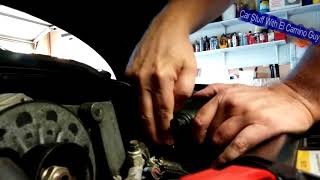
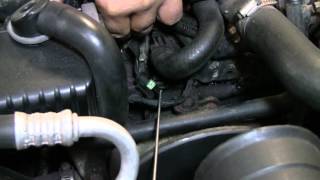
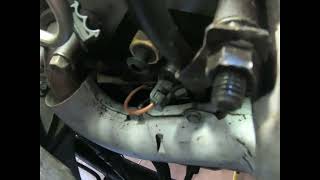
Helpful Videos
Technical Specifications
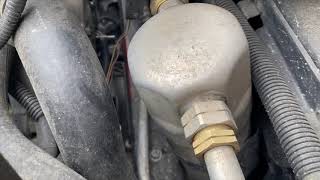
OEM Part Numbers: 12146312 15326386 25036979 213-928 213-77
The ECT sensor is a thermistor. Resistance decreases as temperature increases. Example values are approximately 7,500 Ohms at 39°F and 185 Ohms at 210°F.
We Have This Part in Stock


The information in this article is provided for general reference and educational purposes only. Vehicle specifications, procedures, and part compatibility can vary by production date, trim level, and region. Always consult your vehicle's factory service manual and verify part numbers before purchasing or performing repairs. Safety-critical components such as airbags, seat belts, and braking systems should be installed by a qualified professional.
- Chevrolet Corvette: