

Dodge Colt Oxygen Sensor Guide: 1980-1995 Replacement and Brand Comparison
If your fuel economy has dropped or your check engine light is on, your Colt's oxygen sensor is a likely suspect.
- Verify your Colt's specific sensor by counting the wires (1, 2, 3, or 4) before ordering a replacement.
- For best results and longevity, choose an OEM-equivalent brand like Denso or NGK (NTK), as recommended for Mitsubishi-built vehicles.
- A failing oxygen sensor is a very common cause of a check engine light and poor gas mileage on these cars.
- Replacement is simple for a DIYer with a special O2 sensor socket and can be done in under an hour.
Is Your Dodge Colt's Oxygen Sensor Failing?
The oxygen sensor is a critical emissions and engine management part. On a 1980-1995 Dodge Colt, which is a rebadged Mitsubishi, a failing oxygen sensor is a common reason for a check engine light. Because these sensors live in the hot, dirty exhaust stream, they wear out over time. Contamination from oil or coolant leaks can also cause them to fail.
Key Symptoms of a Bad O2 Sensor:
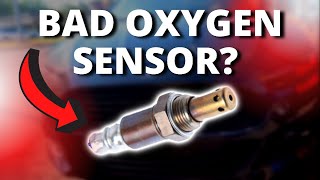
🎬 Watch: A visual guide to common bad O2 sensor symptoms.- Check Engine Light: This is the most common sign. A faulty O2 sensor is a primary trigger for the check engine light on these vehicles.
- Poor Fuel Economy: The engine's computer receives bad data and can't create the right air-fuel mixture, often running too rich (using too much gas).
- Rough Idle or Stalling: An incorrect air-fuel ratio can make your Colt's engine run poorly, hesitate, or even stall.
- Failed Emissions Test: An O2 sensor is essential for controlling emissions. Your car will not pass a smog test with a bad one.
- Black Smoke or "Rotten Egg" Smell: Black smoke indicates a rich fuel mixture, a common result of a failed sensor.
Generation Differences: A Common Ordering Mistake
The 1980-1995 Dodge Colt spans several generations and engine updates. The type of oxygen sensor changed significantly over these years. Ordering the wrong type is the most common mistake.
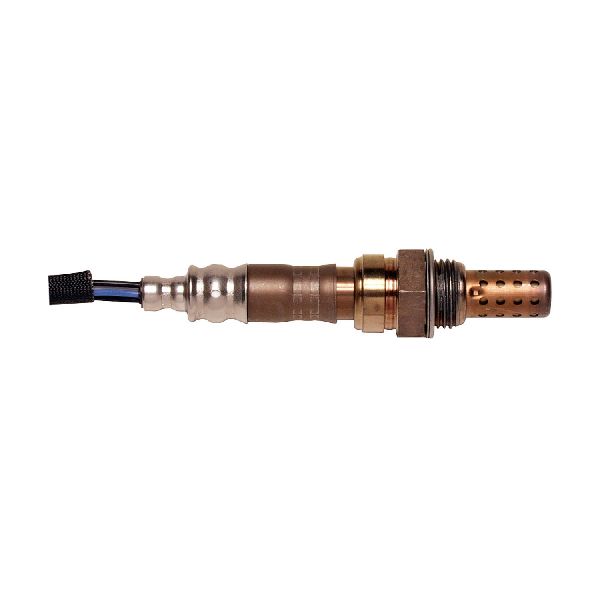
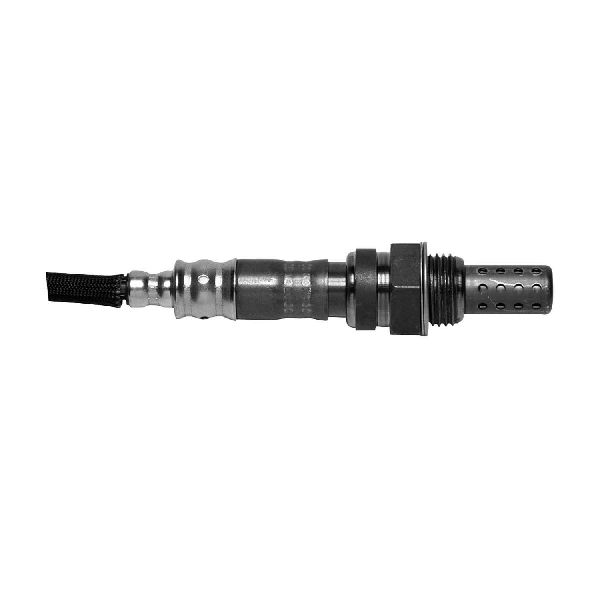
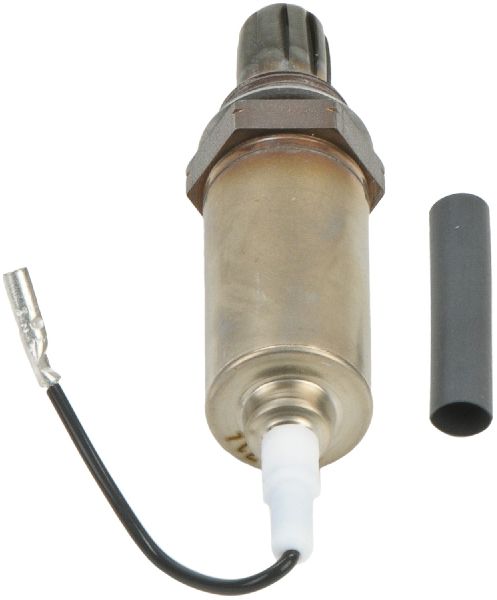
- Early Models (approx. 1980-1988): Many early Colts used a simple, unheated 1-wire or 2-wire oxygen sensor. These sensors rely on the hot exhaust gas to reach operating temperature and ground through the exhaust pipe itself.
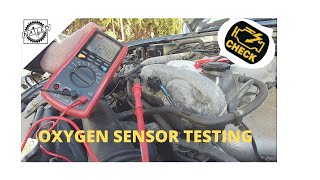
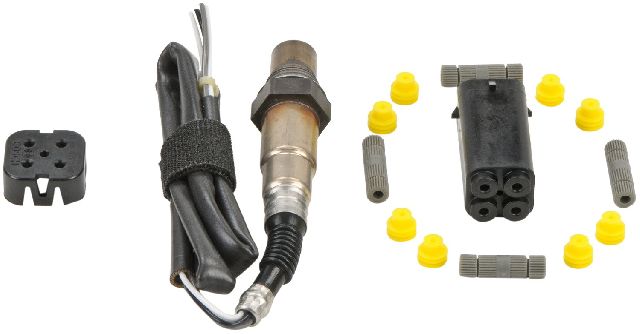
- Later Models (approx. 1989-1995): As emissions systems became more advanced, Colts switched to heated 3-wire or 4-wire oxygen sensors. These have an internal heater to warm up faster, providing accurate readings sooner after a cold start. 🎬 See how to test a 4-wire sensor with a multimeter.
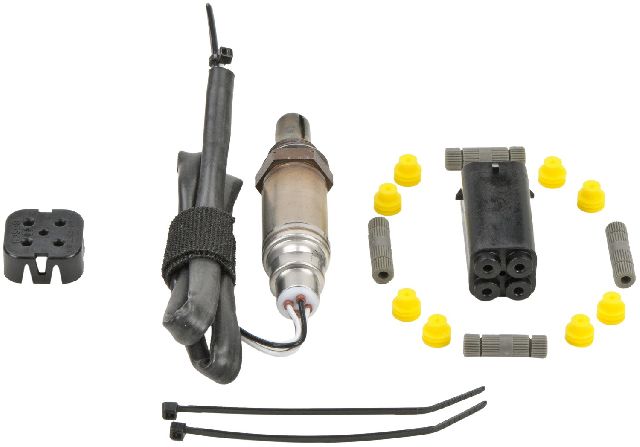
Pro Tip: Before you order, you MUST physically check the sensor on your car. Count the number of wires coming out of it and look at the shape of the electrical connector. Do not rely on generic listings; match it to what is on your Colt.
Choosing the Right Aftermarket Oxygen Sensor for Your Colt
Since the Dodge Colt is a rebadged Mitsubishi, it's best to use brands known for their quality in Japanese vehicles. Not all aftermarket sensors are created equal, and these cars can be sensitive to sensor quality and response time.
Brand Quality Tiers
- Tier 1: OEM-Equivalent (Recommended)
- Denso & NGK (NTK): These brands are the original equipment manufacturers for most Japanese vehicles, including Mitsubishi. They are highly recommended in owner forums for their reliability, correct fit, and performance that matches the factory part. For a trouble-free replacement, Denso or NGK/NTK is the safest choice.
- Tier 2: High-Quality Aftermarket
- Bosch: Bosch invented the oxygen sensor and is a major OEM supplier for many European and domestic cars. Their sensors are high quality, but some mechanics report that their heating elements and response characteristics can differ from Japanese OEM sensors. While a good product, it's best to stick with Denso or NGK if possible to ensure perfect compatibility with your Colt's ECU.
- Tier 3: Economy Brands
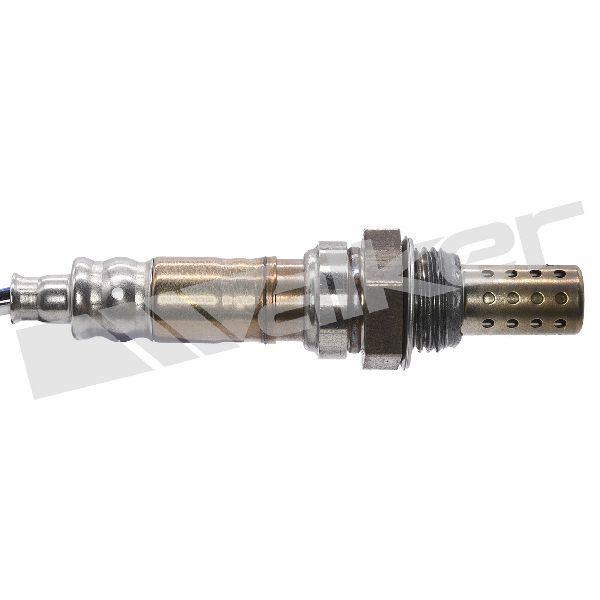
- Spectra, Walker Products, DriveWire: These brands offer a significant cost saving. They are functional replacements that will get the job done and turn off a check engine light. However, some user reviews mention a shorter service life compared to OEM-tier brands. If budget is your primary concern, they are a viable option, but may not be the best long-term solution.
| Brand Tier | Typical Price Range |
|---|---|
| Economy (DriveWire, Spectra) | $21.96 - $45.00 |
| Mid-Grade (Walker, Bosch) | $40.00 - $75.00 |
| OEM-Equivalent (Denso, NGK) | $60.00 - $102.52 |
Frequently Asked Questions (FAQ)
Do I need to buy an expensive OEM sensor from a dealer?
No. Aftermarket brands like Denso and NGK/NTK are the actual original equipment manufacturers and provide the same quality and performance as a dealer part, often at a lower price.
How many oxygen sensors does my Dodge Colt have?
Most 1980-1995 Dodge Colts have only one oxygen sensor. It is located in the exhaust manifold or the front exhaust pipe, before the catalytic converter. Vehicles from this era did not typically have the second (downstream) sensor that became common after 1996.
Can I install an oxygen sensor myself?
Yes, this is a straightforward job for a DIY mechanic. You will need a special oxygen sensor socket to fit over the wire. Let the exhaust cool completely, unplug the old sensor, remove it with the socket, apply anti-seize compound to the threads of the new sensor (avoiding the tip), and install.
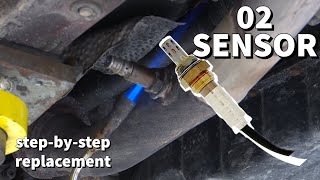
🎬 Watch this DIY walkthrough for helpful sensor replacement tips and tricks.Are there any recalls for the Dodge Colt oxygen sensor?
There are no specific, widespread recalls or Technical Service Bulletins (TSBs) from Dodge or the NHTSA for oxygen sensor failure on the 1980-1995 Dodge Colt. Failures are typically due to age and normal wear.
Helpful Videos

Technical Specifications
Varies by year and engine. Early models typically use a 1-wire or 2-wire unheated sensor. Later models (approx. 1989+) use a 3-wire or 4-wire heated sensor. The connector style also varies. Physical inspection is required to ensure the correct part is ordered.
We Have This Part in Stock

The information in this article is provided for general reference and educational purposes only. Vehicle specifications, procedures, and part compatibility can vary by production date, trim level, and region. Always consult your vehicle's factory service manual and verify part numbers before purchasing or performing repairs. Safety-critical components such as airbags, seat belts, and braking systems should be installed by a qualified professional.
- Dodge Colt: