

Plymouth Colt Oxygen Sensor Replacement Guide (1980-1995)
Restore your Colt's fuel economy and engine performance by choosing the right replacement oxygen sensor.
- Verify your existing sensor's wire count and connector type before buying a replacement.
- For best results on a Mitsubishi-built Colt, choose an OEM-equivalent brand like Denso or NGK/NTK.
- Do not ignore symptoms like poor gas mileage or a rough idle, as it can lead to costly catalytic converter failure.
- The sensor can be difficult to remove if seized; using a special O2 sensor socket and penetrating oil is recommended.
Is Your Plymouth Colt Oxygen Sensor Failing?
Because the Plymouth Colt was a rebadged Mitsubishi Mirage, finding specific information can be tough. However, the symptoms of a failing oxygen sensor are universal. On a vehicle from this era, you might not always get a check engine light. Pay close attention to how your car drives.
Key Symptoms of a Bad O2 Sensor:
- Poor Fuel Economy: One of the most common signs is needing to fill up your gas tank more often. A bad sensor can cause the engine to run rich, wasting fuel.
- Rough Idle or Stalling: The engine may idle unevenly, shake, or even stall because the air-fuel mixture is incorrect.
- Engine Hesitation: You might notice a lack of power or a sluggish response when you press the gas pedal.
- Rotten Egg Smell: A strong smell of sulfur or rotten eggs from the exhaust points to an overly rich fuel mixture that a failing O2 sensor can't correct.
- Black Exhaust Smoke: In severe cases, you may see black smoke coming from the tailpipe, which is unburnt fuel.
Ignoring a Bad O2 Sensor Can Be Costly
Driving for too long with a faulty oxygen sensor can lead to expensive damage. The most common result is the failure of the catalytic converter, a repair that can cost hundreds or even thousands of dollars.
Choosing the Right Aftermarket Oxygen Sensor
Original Mopar or Mitsubishi OEM sensors for a vehicle this age are likely discontinued or very hard to find. Aftermarket parts are your primary option. Since the Colt has Japanese roots (built by Mitsubishi), choosing a brand known for supplying Japanese automakers is a smart move.
Important: Check Before You Buy!
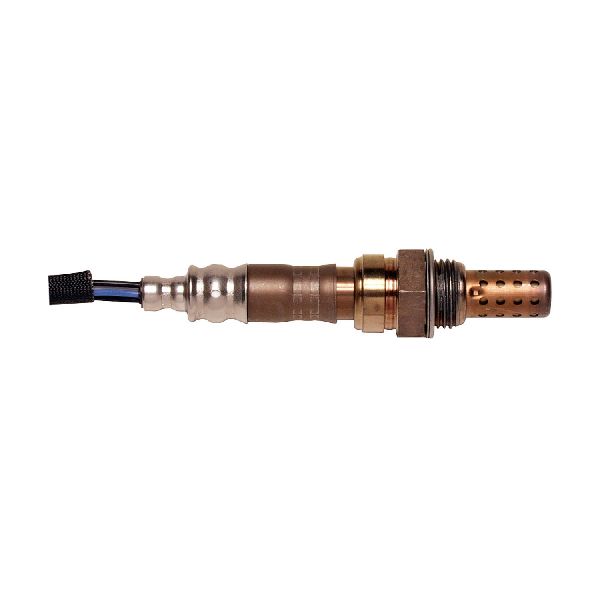
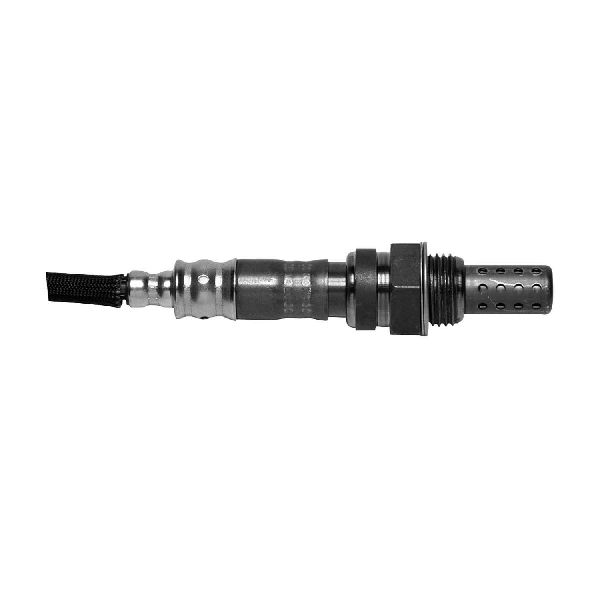
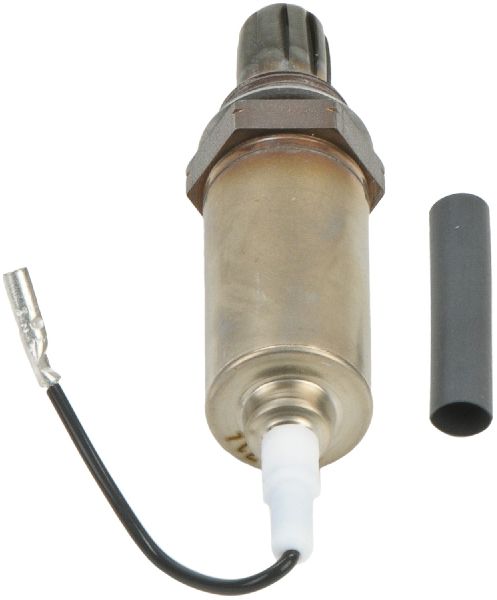
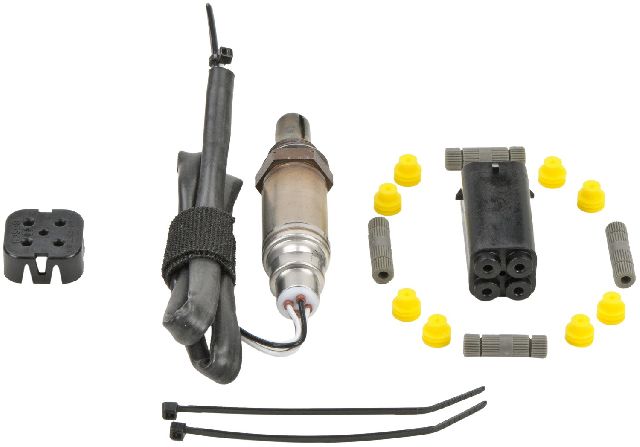
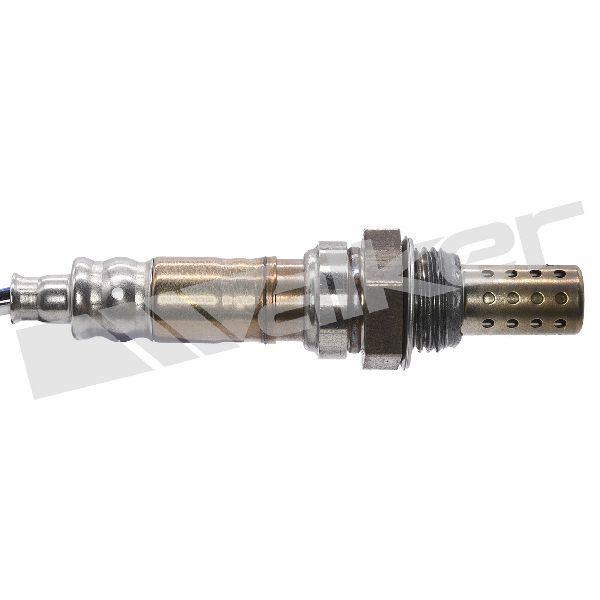
The 1980-1995 Plymouth Colt spans multiple generations and engine types. The oxygen sensor can be a 1, 2, 3, or 4-wire type, and may be heated or unheated. Before ordering, inspect your current sensor to see how many wires it has and what the connector looks like. This is the best way to ensure you get a direct-fit replacement.
Aftermarket Brand Tiers for Your Colt
Based on general vehicle repair knowledge and forum discussions, aftermarket brands can be grouped into tiers.
- Premium (OEM-Equivalent): Denso, NGK (NTK)
Denso and NGK (whose sensor brand is NTK) are original equipment suppliers for many Japanese cars. For a Mitsubishi-based vehicle like the Colt, these brands are highly recommended for their reliability, fit, and performance. They are considered the safest bet for a long-lasting repair. - Quality Aftermarket: Bosch, Delphi
Bosch invented the modern O2 sensor and is a massive OEM supplier. While some mechanics prefer to stick with Japanese brands for Japanese cars, Bosch offers good quality sensors. Delphi is another trusted aftermarket brand with a solid reputation. - Economy: DriveWire, Spectra, Walker Products
These brands provide a more budget-friendly solution. They can be a good choice if cost is your main concern. Walker Products is notable for listing parts for older models, including specific 1-wire and 2-wire non-heated sensors that your Colt may require. However, some professional mechanics note that economy sensors may not have the same lifespan as premium brands.
Estimated Costs for Oxygen Sensor Replacement
| Part/Service | Estimated Cost |
|---|---|
| New Aftermarket Oxygen Sensor | $22 - $103 |
| Shop Labor | $50 - $150 |
| Total Estimated Cost | $72 - $253 |
Cost estimates are for a single sensor and can vary based on your location, vehicle's specific engine, and the condition of the old part.
Frequently Asked Questions
How many oxygen sensors does a 1980-1995 Colt have?
Most Colts from this period have only one oxygen sensor, located in the exhaust manifold before the catalytic converter. Some later models from the mid-90s might have a second sensor after the converter, but this is less common. Always verify the configuration on your specific vehicle.
Can I clean my oxygen sensor instead of replacing it?
While some people attempt to clean O2 sensors, it is not a reliable or recommended repair. The sensing element becomes contaminated internally over time, and cleaning the exterior won't restore its function. Replacement is the only guaranteed fix.
Is this a difficult DIY job?
For a mechanic, it's easy. For a DIYer, it can be simple or very frustrating. The sensor simply unscrews from the exhaust pipe. However, after years of heat cycles, it can become seized. A special oxygen sensor socket and a lot of force may be needed. Sometimes, heating the exhaust pipe around the sensor with a torch is required to break it free.
What's the difference between a heated and unheated sensor?
Older cars often used unheated 1 or 2-wire sensors that relied on hot exhaust gas to reach operating temperature. Newer cars use heated sensors (3 or 4 wires) with an internal heater to get them working faster, which reduces emissions on cold starts. You must replace your sensor with the correct type; they are not interchangeable.
Technical Specifications
OEM Part Numbers: MD182691 MD185334
Varies by year and engine. Can be a 1, 2, 3, or 4-wire sensor. May be heated or non-heated. Thread size is typically M18x1.5.
We Have This Part in Stock


The information in this article is provided for general reference and educational purposes only. Vehicle specifications, procedures, and part compatibility can vary by production date, trim level, and region. Always consult your vehicle's factory service manual and verify part numbers before purchasing or performing repairs. Safety-critical components such as airbags, seat belts, and braking systems should be installed by a qualified professional.
- Plymouth Colt:
- 🛍️ Shop This Part
- Is Your Plymouth Colt Oxygen Sensor Failing?
- Key Symptoms of a Bad O2 Sensor:
- Ignoring a Bad O2 Sensor Can Be Costly
- Choosing the Right Aftermarket Oxygen Sensor
- Important: Check Before You Buy!
- Aftermarket Brand Tiers for Your Colt
- Estimated Costs for Oxygen Sensor Replacement
- Frequently Asked Questions
- 🎟️ Get 5% Off