

Ford F-100 Engine Coolant Temperature Sender Guide (1981-1983)
Fix your faulty temperature gauge with the right sending unit for your 1981-1983 Ford F-100.
- This part is a 'sender' for the gauge, not a 'sensor' for a computer. Symptoms are limited to the dashboard gauge.
- A faulty sender is the most likely cause of a non-working temperature gauge. Test it by grounding the sender wire.
- Replacement is very easy and can be done in under 30 minutes with basic tools.
- Quality aftermarket brands like Standard Ignition, NGK, and Four Seasons are excellent, affordable choices for this truck.
Is it a Sensor or a Sender?
For your 1981-1983 F-100, the part that reads your engine's temperature is technically a sending unit. It has one job: to make the needle on your dashboard's temperature gauge move. Newer vehicles use a two-wire 'sensor' that talks to a computer, affecting fuel mixture and performance. Your truck's system is much simpler. The sender has one wire and grounds itself to the engine block. Knowing this helps you buy the right part and ignore symptoms that don't apply to your truck.
Symptoms of Failure in a 1981-1983 F-100
Because this is a simple sender for a gauge, the symptoms are all related to what you see on the instrument cluster. Ignore advice about black smoke or poor fuel economy for this specific part on this truck.
- Gauge Reads Cold: The most common symptom is a temperature gauge that never moves from the 'C' or cold position, even after the truck has been running for a while.
- Gauge Not Working: The needle doesn't move at all when you turn the key or start the engine.
- Gauge Reads Hot Immediately: If the gauge needle pegs to 'H' as soon as you turn the key, it could mean the sender wire is shorted to ground, or the sender itself has failed in a shorted state.
- Inaccurate Readings: The gauge may show readings that you know are wrong, like running near hot on a cold day. One owner noted that even a new sender can read incorrectly if its internal resistance doesn't match what the factory gauge expects.
Pro Tip: Quick Diagnosis
You can quickly test if the gauge and wiring are working. Disconnect the single wire from the sender and touch it to a clean metal part of the engine block (a ground). Turn the key to the 'On' position without starting the engine. The temperature gauge should swing all the way to Hot. If it does, your gauge is good, and the sending unit is almost certainly the problem.
Choosing the Right Aftermarket Sender
For a straightforward part like this, a quality aftermarket brand is a reliable and cost-effective choice. The original Motorcraft parts are excellent but can be harder to find and more expensive. Reputable aftermarket brands build parts to meet or exceed the original specifications.
- Good Tier (Reliable & Reputable): Brands like Standard Ignition (SMP) and NGK/NTK have a strong reputation for quality electrical components and sensors. They are often trusted by professional mechanics.
- Standard Tier (Value & Quality): Four Seasons and Holstein offer a good balance of quality and price. They are solid choices for a daily driver or a budget-conscious repair.
- Budget Tier: Brands like True Tech fall into this category. While they may offer the lowest price, quality and longevity can be less consistent. For a critical but simple part like a temp sender, sticking with a known brand is often worth the small price difference.
Cost of Replacing the Engine Coolant Temperature Sender
This is one of the cheaper and easier repairs you can make on your F-100. The part itself is inexpensive, and labor is minimal.
| Part/Service | Estimated Cost |
|---|---|
| New Aftermarket Sender | $12 - $25 |
| New OEM (Motorcraft) Sender | $25 - $50+ (if available) |
| Shop Labor | $50 - $100 |
| DIY Cost (Part Only) | $12 - $25 |
Frequently Asked Questions (FAQ)
Where is the temperature sender located on my F-100?
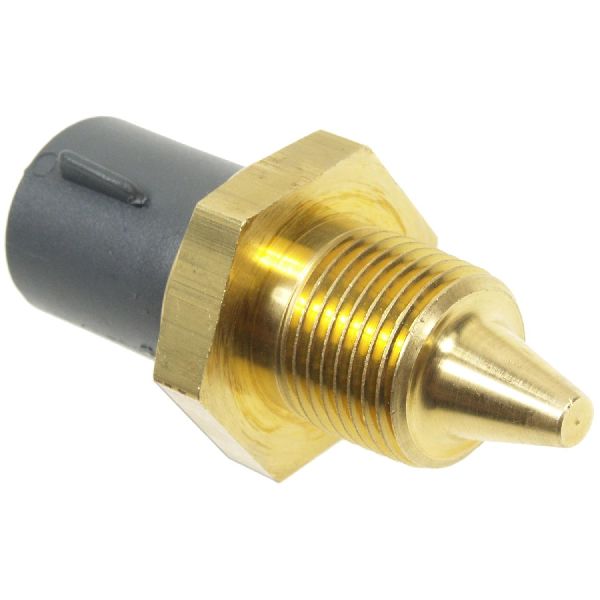
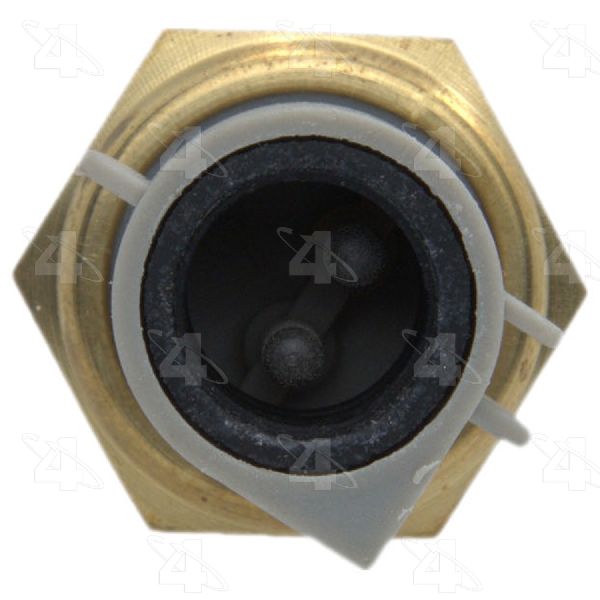
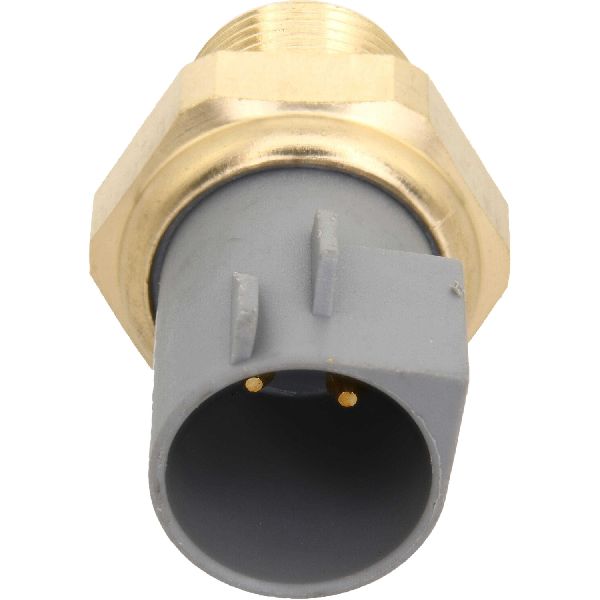
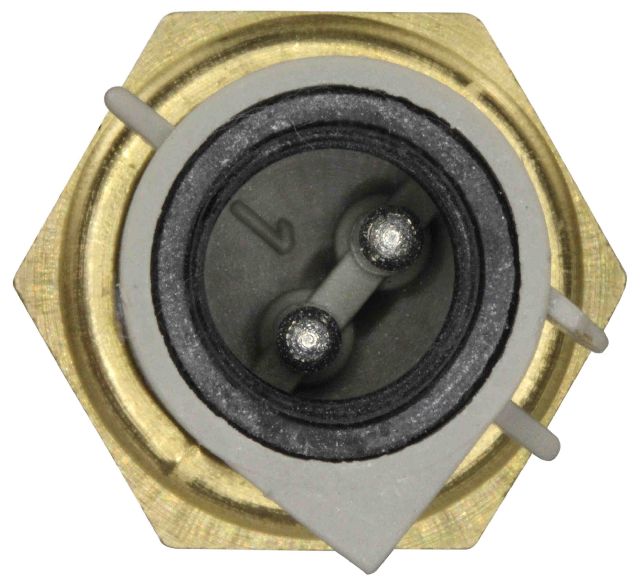
The engine coolant temperature sending unit is typically screwed into the intake manifold, near the distributor. It is a small, brass-colored part with a single electrical connection post on top.
Can I replace this part myself?
Yes, this is a very easy DIY job for a beginner. You will need a wrench (an 18mm wrench often fits), thread sealant, and a rag. You should also partially drain some coolant from the radiator's petcock so the coolant level is below the sender, preventing a spill when you remove the old one.
Do I need a special tool to replace it?
No special tools are required. A standard open-end wrench or a deep socket will work. Make sure to use thread sealant on the new sender's threads to prevent coolant leaks.
My truck has two temperature sensors. Which one is for the gauge?
While uncommon on these models, if you see two sensors, the one for the gauge will be the smaller one with a single wire. A larger, two-wire sensor would be for an engine computer, which most 1981-1983 F-100s do not use for temperature readings.
Are there any recalls for this part?
No, there are no known recalls or technical service bulletins (TSBs) from the NHTSA for the engine coolant temperature sending unit on the 1981-1983 Ford F-100.
Technical Specifications
This part is a single-terminal sending unit. It provides variable resistance to the instrument panel gauge. The correct resistance range is critical for accurate gauge readings. It typically has a 3/8 inch pipe thread.
We Have This Part in Stock


The information in this article is provided for general reference and educational purposes only. Vehicle specifications, procedures, and part compatibility can vary by production date, trim level, and region. Always consult your vehicle's factory service manual and verify part numbers before purchasing or performing repairs. Safety-critical components such as airbags, seat belts, and braking systems should be installed by a qualified professional.
- Ford F-100: