

Choosing the Right Spark Plug Wire Set for Your 1981-1983 Plymouth PB150
Get your classic van running smoothly by understanding the best spark plug wire options for your specific engine.
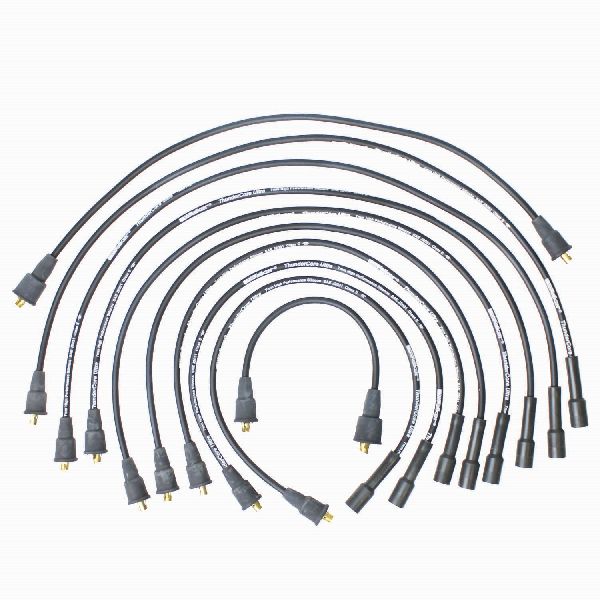
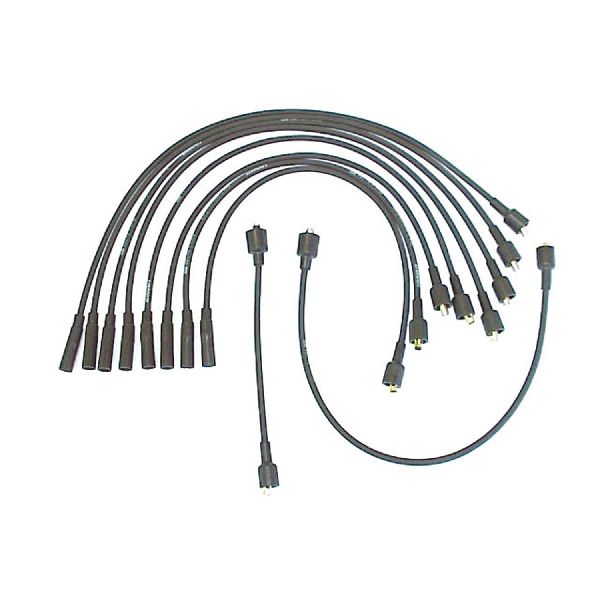
- You MUST buy the correct wire set for your engine: a 7-wire set for the Slant 6 or a 9-wire set for the V8.
- For a stock daily driver, a quality standard replacement set from NGK, Denso, or Standard is the best value.
- Performance brands like MSD or Taylor are only necessary for highly modified engines.
- Always replace wires one at a time to avoid mixing up the firing order, which will prevent the engine from running.
Signs of Failing Spark Plug Wires
When the spark plug wires on your PB150 start to go bad, your van will let you know. The symptoms are often subtle at first but will get worse over time. Look out for:
- Rough Idle: The engine may shake or vibrate more than usual when you're stopped.
- Engine Misfires: You might feel a hesitation or stumble, especially when accelerating or going up a hill.
- Poor Fuel Economy: If you're filling up the tank more often, weak spark from bad wires could be the cause.
- Trouble Starting: The engine may crank longer than normal before it starts, or fail to start at all.
- Visible Arcing: In the dark, you might see small sparks of electricity jumping from a crack in a wire to a metal part of the engine.
Choosing the Right Aftermarket Wires
Since original Mopar parts for this van are very rare, the aftermarket is your go-to source. The most important step is to buy the correct set for your engine. The 1981-1983 PB150 came with either a Slant 6 (225ci) or a V8 (318ci or 360ci) engine, and they use different wire sets. Aftermarket brands can be grouped into three main tiers:
Brand Quality Tiers
| Tier | Brands | Best For |
|---|---|---|
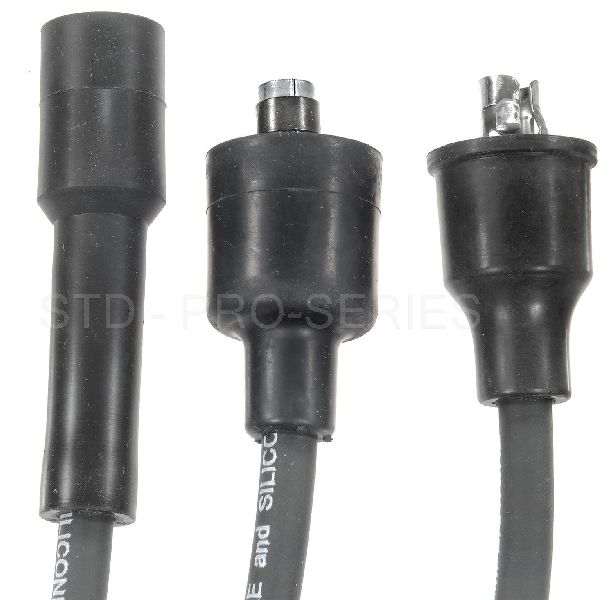
| Standard Replacement | NGK, Denso, Standard (Standard Motor Products) | Stock, daily-driven vans. These brands are known for reliable, OEM-quality performance that meets or exceeds the original factory specifications. |
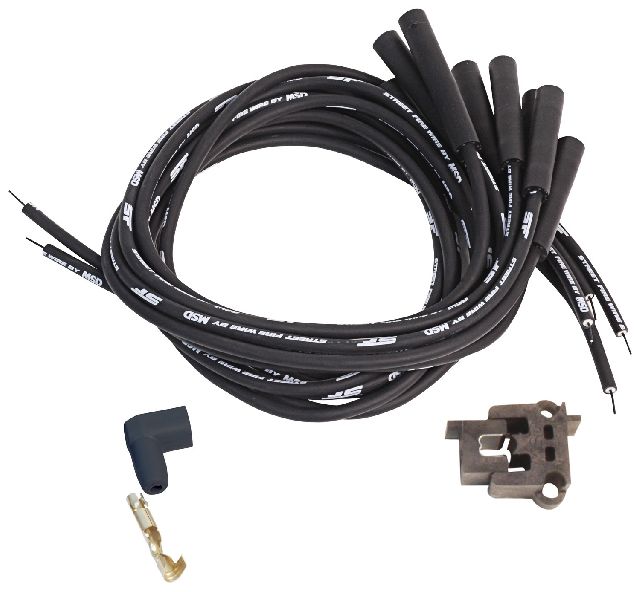
| Performance | MSD, Accel, Taylor Cable | Modified engines or heavy-duty use. These often feature thicker 8mm+ wires, spiral cores for low resistance, and superior heat insulation, which is helpful if the wires are near hot exhaust manifolds. |
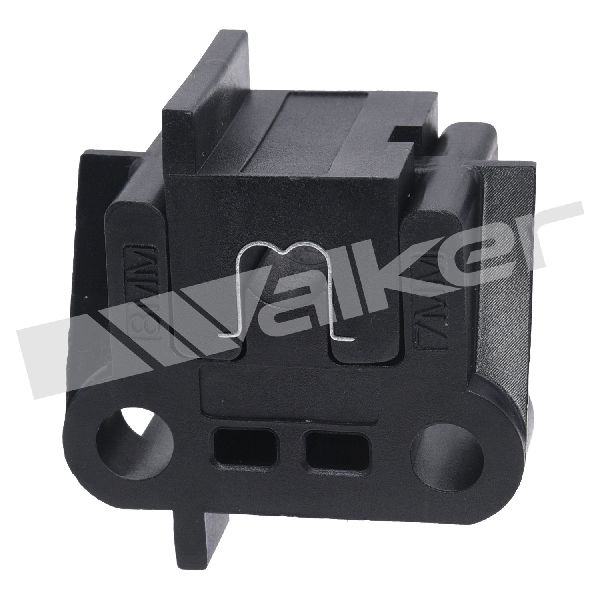
| Economy | Walker Products, various store brands | Budget-focused repairs. Quality can be inconsistent, and while they will work, they may not last as long or perform as well as higher-tier brands. |
Pro Tip: For a stock engine, a quality standard replacement set from NGK or Standard is an excellent choice and will provide reliable performance. Performance wires from brands like MSD are generally not necessary unless you have made significant engine upgrades.
Common Ordering Mistakes & Installation Tips
The biggest mistake is ordering wires for the wrong engine. A Slant 6 requires a 7-wire set (6 for plugs, 1 for the coil), while a V8 needs a 9-wire set. Always confirm your engine before buying.
When installing:
- Replace wires one at a time to avoid mixing up the firing order. Remove the old wire from the distributor cap and spark plug, then install the new wire in the same path.
- Apply a small amount of dielectric grease to the inside of each boot. This seals out moisture and makes the wires easier to remove next time.
- Route the new wires carefully, using the factory clips and looms. Keep them separated and away from hot exhaust parts to prevent melting and crossfire.
A Note on Wire Routing
On some Dodge/Plymouth engines, allowing spark plug wires to run parallel to each other for long distances can cause an electrical interference known as inductive crossfire, leading to misfires. Try to have wires cross each other at a 90-degree angle where possible and use wire separators to maintain spacing.
Frequently Asked Questions (FAQ)
How often should I replace my spark plug wires?
There is no strict interval, but a good rule of thumb is to inspect them with every spark plug change. Most quality aftermarket wires should last between 30,000 and 50,000 miles. Replace them whenever you see signs of damage like cracks, burns, or brittleness.
What's the difference between 7mm and 8mm wires?
The measurement refers to the wire's outer diameter. Thicker wires (like 8mm, 8.5mm, or more) have more insulation, which helps prevent voltage leaks and provides better protection against heat and abrasion. For a stock PB150, standard 7mm wires are perfectly fine, but 8mm wires can be a durable upgrade if they fit in the stock wire holders (looms).
What is a spiral core wire?
It's a modern type of wire construction that uses a wire tightly wound around a fiberglass core. This design offers low electrical resistance for a strong spark but also suppresses the radio frequency interference (RFI) that can cause static in your radio. It is generally considered more durable and better performing than older carbon core wires.
Are there any recalls on PB150 spark plug wires?
No. Searches of the National Highway Traffic Safety Administration (NHTSA) database show no recalls for spark plug wires on the 1981-1983 Plymouth PB150.
Technical Specifications
Varies by engine. Slant 6 engines require a 7-piece set (6 plug wires, 1 coil wire). V8 engines require a 9-piece set (8 plug wires, 1 coil wire). Wire core types include carbon and spiral-wound. Diameter typically ranges from 7mm to 8.5mm.
We Have This Part in Stock

The information in this article is provided for general reference and educational purposes only. Vehicle specifications, procedures, and part compatibility can vary by production date, trim level, and region. Always consult your vehicle's factory service manual and verify part numbers before purchasing or performing repairs. Safety-critical components such as airbags, seat belts, and braking systems should be installed by a qualified professional.
- Plymouth PB150: