

Accessory Drive Belt Replacement Guide for 1981-1985 Autocar C / DC Trucks
Keep your heavy-duty Autocar running strong by choosing the right accessory drive belt.
- A failing belt gives warnings like squealing or visible cracks; inspect it regularly.
- For a work truck, choose a top-tier brand like Gates or Continental for maximum reliability.
- When replacing the belt, always inspect the tensioner and pulleys for wear to prevent premature failure of the new belt.
- If the belt breaks, pull over immediately to avoid severe engine damage from overheating.
Signs of a Failing Accessory Drive Belt
A worn or damaged accessory drive belt will almost always give warning signs before it fails completely. Ignoring these signs can leave you stranded. Be alert for the following symptoms:
- Squealing or Chirping Noises: This is the most common symptom. A high-pitched squeal, especially when starting the engine or under heavy load, often means the belt is slipping. A chirping sound can indicate the belt is misaligned.
- Visible Wear and Damage: Regularly inspect your belts. Look for cracks, fraying along the edges, missing chunks, or a glazed, shiny appearance on the belt's surface. Any of these signs mean the belt's rubber has degraded and it needs to be replaced.
- Accessory Malfunctions: If your battery isn't charging (dimming lights, battery warning light), your power steering feels heavy, or the engine temperature quickly rises, the belt may have stopped turning those accessories.
Choosing the Right Aftermarket Drive Belt
For a vehicle from this era, new original equipment (OEM) belts are no longer available. The aftermarket is your only option, but thankfully, several reputable brands produce high-quality belts that meet or exceed original specifications. The key is to choose a brand known for durability in heavy-duty applications.
Pro Tip: It's a System, Not Just a Belt
The accessory drive belt works with tensioners and pulleys. A worn-out tensioner can cause a new belt to fail quickly. When you replace the belt, always inspect the tensioner and pulleys. Spin the pulleys by hand (with the engine off and belt removed). If they feel rough, make noise, or wobble, they should be replaced at the same time.
Brand Quality Tiers
Based on general industry reputation and mechanic feedback, here’s how the available brands generally stack up for heavy-duty use:
- Top Tier (Excellent Quality): Gates, Continental
These brands are widely regarded as leaders in belt technology. Gates is a very common OEM supplier and has a stellar reputation for durability and longevity in both consumer and commercial vehicles. Continental (which now includes the former Goodyear Gatorback line) is also a top choice, known for quiet operation and reliability. For a work truck where reliability is paramount, spending a few extra dollars on a belt from one of these brands is a wise investment. - Mid Tier (Good Quality): ACDelco, Dayco
ACDelco is a trusted name that often sources its parts from high-quality manufacturers, including Gates. They are a reliable choice. Dayco is also a major OEM supplier, but online reviews from mechanics are more mixed; some have experienced long life, while others report issues with noise or premature wear compared to Gates. They are a functional replacement, but may not offer the same peace of mind as the top-tier brands.
| Part Type | Price Range |
|---|---|
| Aftermarket Accessory Drive Belt | $2.56 - $57.31 |
| Shop Labor for Installation | $75 - $150 |
Frequently Asked Questions (FAQ)
How often should I replace the accessory drive belt?
Even if it looks fine, rubber degrades over time. For a commercial vehicle, a good rule of thumb is to inspect the belt at every oil change and plan to replace it based on condition or every 3-4 years, regardless of mileage, to prevent unexpected failure. Some modern belts can last longer, but preventative replacement is cheap insurance against a breakdown.
Can I replace the accessory drive belt myself?
Yes, for a mechanically inclined person, this is a feasible DIY job on these older trucks. The components are generally easy to access. You will need the correct wrench or a breaker bar to release the tensioner, a diagram (or a photo you take before removal) of the belt routing, and basic hand tools. The difficulty is low, and it can typically be done in under an hour.
Is a V-belt the same as a serpentine belt?
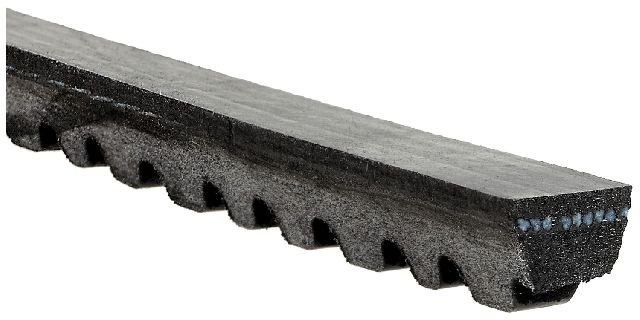
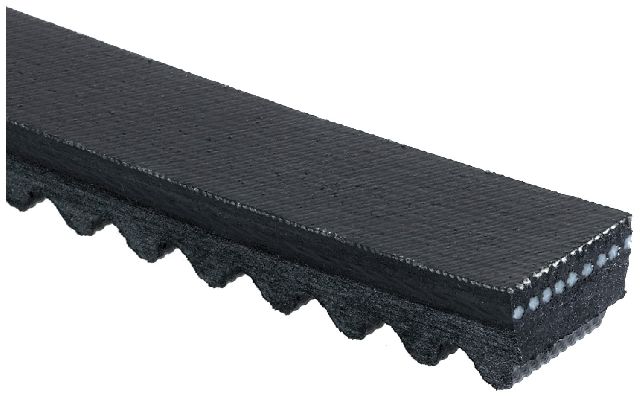
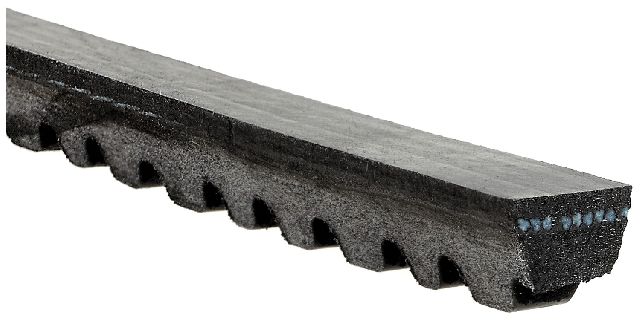
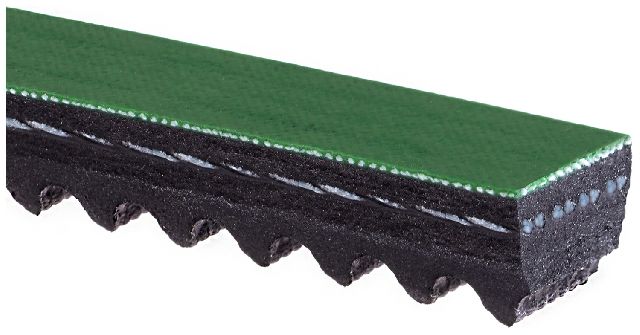
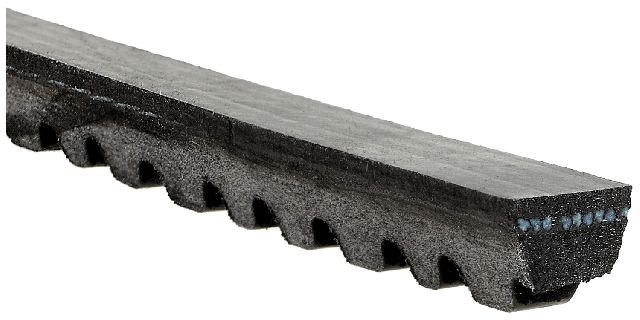
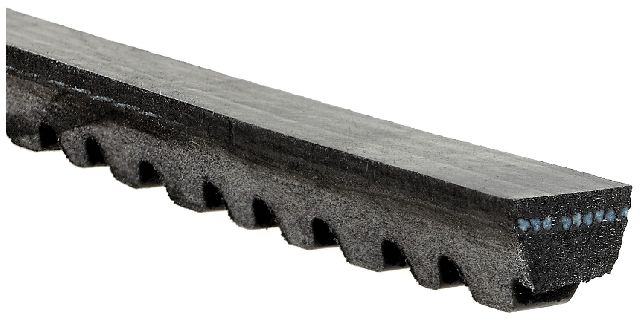
They do the same job but look different. Your Autocar C / DC may have a single, wide serpentine belt or multiple, thinner V-belts. Serpentine belts are flat with multiple ribs, while V-belts are smooth and wedge-shaped. Ensure you order the correct type for your truck's specific engine and accessory configuration.
What happens if the belt breaks while driving?
If the belt breaks, you will immediately lose power to all accessories. The alternator will stop charging the battery, the power steering will fail (making the wheel extremely difficult to turn), and the water pump will stop circulating coolant, causing the engine to overheat rapidly. You should pull over immediately and safely shut down the engine to prevent catastrophic damage.
Technical Specifications
No specific OEM part numbers or technical service bulletins for the accessory drive belt on this vehicle were found in public databases. Replacement is based on matching the belt length and rib profile to the original part or using a catalog lookup for the specific engine and accessory combination.
We Have This Part in Stock

The information in this article is provided for general reference and educational purposes only. Vehicle specifications, procedures, and part compatibility can vary by production date, trim level, and region. Always consult your vehicle's factory service manual and verify part numbers before purchasing or performing repairs. Safety-critical components such as airbags, seat belts, and braking systems should be installed by a qualified professional.
- Autocar C / DC: