

1981-1985 Cadillac DeVille Brake Master Cylinder Replacement Guide
If your brake pedal feels spongy or sinks to the floor, your master cylinder is the most likely cause.
- A spongy pedal that sinks to the floor is the #1 sign of a failing master cylinder.
- You must bench bleed the new master cylinder before installation to remove trapped air.
- For reliability, choose a new unit from a quality brand like ACDelco; avoid remanufactured parts if possible.
- Driving with a faulty master cylinder is extremely dangerous and not recommended.
Symptoms of a Failing Brake Master Cylinder
A bad master cylinder is a critical safety issue. If you notice any of these signs, you should inspect the component immediately. The most common symptoms are a direct result of the cylinder losing its ability to hold hydraulic pressure.
- Spongy or Mushy Brake Pedal: This is the most common symptom. If your brake pedal feels soft or lacks firmness when you press it, it often means there is air in the system, or the master cylinder's internal seals are failing.
- Brake Pedal Slowly Sinks to the Floor: When you hold your foot on the brake pedal, it should remain firm. If the pedal slowly sinks towards the firewall, it's a classic sign of an internal leak in the master cylinder, where fluid is bypassing the piston seals.
- Contaminated Brake Fluid: Over time, the rubber seals inside the cylinder can break down. When this happens, small black particles contaminate the brake fluid, turning it from a clear or light amber color to dark brown or black.
- Brake Warning Light: A low fluid level caused by a leak can trigger the brake warning light on your dashboard.
- External Fluid Leaks: Check for brake fluid leaking from the rear of the master cylinder where it mounts to the brake booster. A leak here indicates the rear seal has failed.
Choosing the Right Aftermarket Master Cylinder
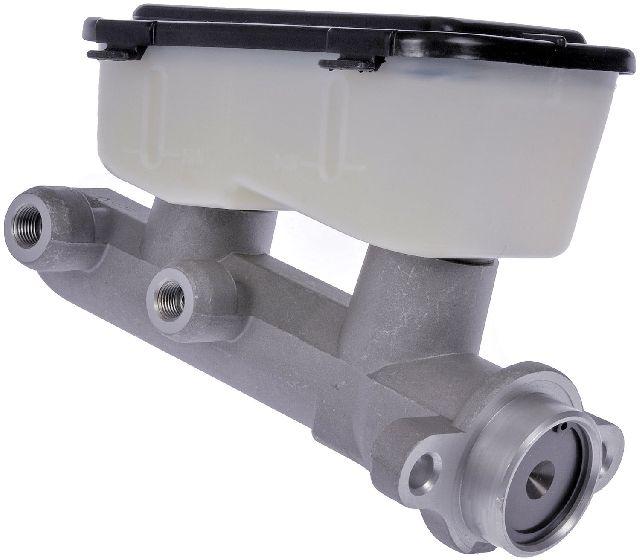
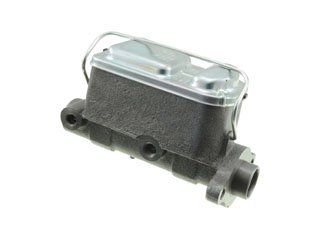
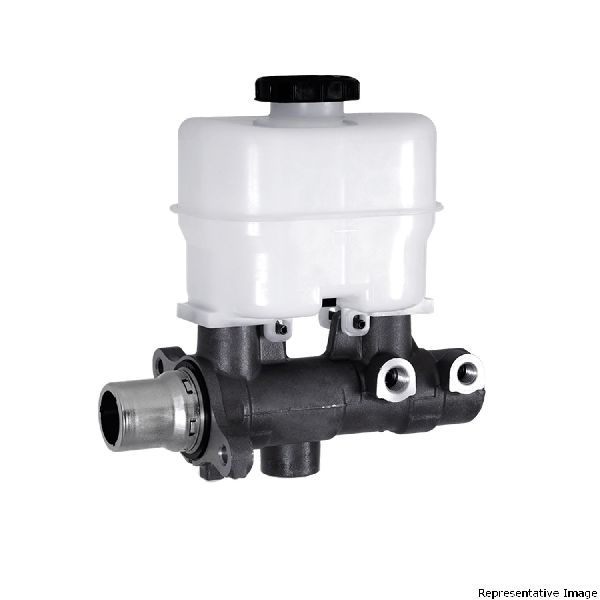
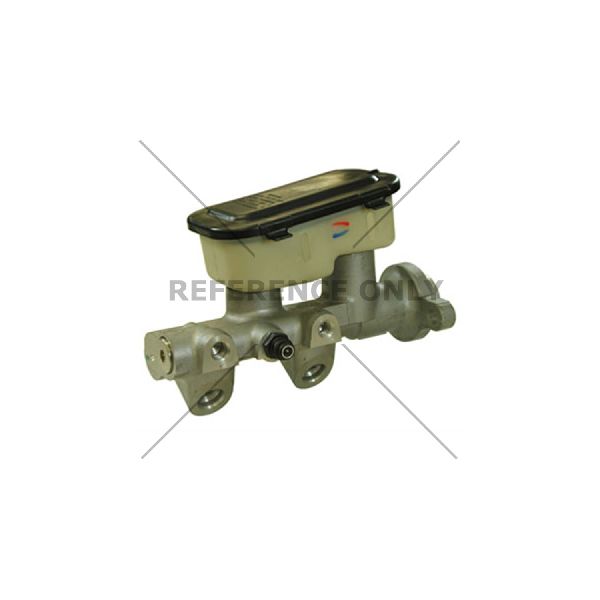
For a classic vehicle like the 1981-1985 DeVille, aftermarket parts are widely available and are often the only option since new OEM parts may be discontinued. Quality can vary, so it's important to choose a reputable brand.
| Brand Tier | Brands | Our Analysis |
|---|---|---|
| Premium Aftermarket | ACDelco | As the original equipment supplier for General Motors, ACDelco is the closest you can get to a factory part. Their aftermarket Professional line is known for reliable fit and performance, making it a top choice for a critical component like a master cylinder. |
| Quality Mid-Range | Centric, Dorman | Centric is a major aftermarket manufacturer offering parts that are designed to meet OE specifications. Dorman is known for engineering parts that sometimes improve on original designs, but user reviews suggest quality can be inconsistent; some parts work perfectly, while others may fail prematurely. |
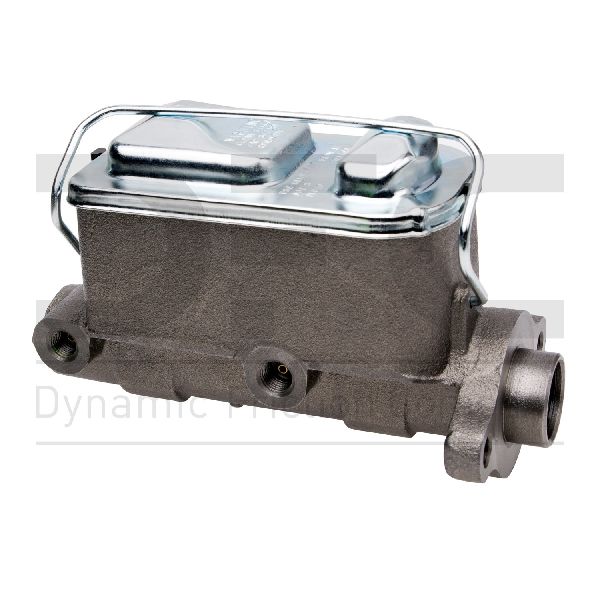
| Standard / Economy | Dynamic Friction | Dynamic Friction (DFC) produces new master cylinders that are 100% pressure tested and claim to meet OEM specifications for fit and function. They are a budget-friendly option, though they have fewer long-term user reviews compared to more established brands. |
Pro Tip: Bench Bleed Before You Install!
You absolutely must "bench bleed" your new master cylinder before installing it in the car. This process involves mounting the cylinder in a vise, filling it with fluid, and using a tool to push the piston until no more air bubbles come out of the ports. Failing to do this will trap a large amount of air in the cylinder, making it nearly impossible to bleed the brakes properly once installed. Most new master cylinders come with a simple bleeding kit containing plastic fittings and hoses.
Known Issues and Recalls
While no specific recalls were found for the master cylinder on 1981-1985 models, the National Highway Traffic Safety Administration (NHTSA) issued a recall for the 1986 Cadillac DeVille (NHTSA Campaign ID 87V093000). This recall concerned the anti-lock brake system (ABS), where a faulty pressure switch could lead to a loss of the hydraulic pump, resulting in a total loss of rear brakes and power assist to the front brakes. While your vehicle may not have this exact system, it highlights the importance of maintaining the brake hydraulics on these classic Cadillacs.
Frequently Asked Questions (FAQ)
Is it difficult to replace the master cylinder myself?
The replacement is moderately difficult. While unbolting the old part is straightforward (two nuts on the booster and two brake lines), the critical steps of bench bleeding the new part and then bleeding the entire brake system require care and patience. If you are not comfortable bleeding brakes, it is best to leave this job to a professional.
Should I choose a new or remanufactured master cylinder?
For this part, always choose a 100% new unit. The price difference between new and remanufactured is often small. A new master cylinder from a quality brand like ACDelco, Centric, or Dorman comes with all new seals, pistons, and a new housing, ensuring better reliability and a longer service life.
What else should I replace at the same time?
This is the perfect time to completely flush your brake fluid. Old brake fluid absorbs moisture, which can corrode brake lines and cause a spongy pedal. You should also inspect the flexible rubber brake hoses at each wheel for cracks, bulges, or brittleness and replace them if they show any signs of age.
What kind of brake fluid does my 1981-1985 DeVille use?
Your Cadillac DeVille uses DOT 3 brake fluid. Do not use other types unless specified by a parts manufacturer. Always use fresh fluid from a sealed container when filling and bleeding the system.
Technical Specifications
Brake System Type: Hydraulic with power assist Brake Fluid Type: DOT 3 Brake Configuration: Front Disc / Rear Drum
We Have This Part in Stock

The information in this article is provided for general reference and educational purposes only. Vehicle specifications, procedures, and part compatibility can vary by production date, trim level, and region. Always consult your vehicle's factory service manual and verify part numbers before purchasing or performing repairs. Safety-critical components such as airbags, seat belts, and braking systems should be installed by a qualified professional.
- Cadillac DeVille: