

Ford Bronco Disc Brake Caliper Guide (1981-1985)
Everything you need to know about replacing the front disc brake calipers on your classic 1981-1985 Ford Bronco.
- Common failure signs include pulling to one side, a spongy pedal, fluid leaks, and a burning smell.
- For safety, always replace front calipers in pairs to ensure balanced braking.
- The caliper design on 1981-1985 Broncos uses a retainer key and bolt, not modern slide pins.
- Bleeding the brakes after installation is a critical step that cannot be skipped.
Is Your Bronco's Braking Not What It Used To Be?
The brake calipers on your 1981-1985 Ford Bronco are tough, but they don't last forever. After decades of use, heat, and exposure to moisture and dirt, the internal seals can wear out and the piston or slide pins can stick. This can lead to unsafe driving conditions. If you're noticing any braking issues, it's time for an inspection.
Warning Signs of a Bad Brake Caliper
- Vehicle Pulling to One Side: When you hit the brakes, does your Bronco pull to the left or right? This can be caused by a stuck caliper on one side, creating an imbalance in braking force.
- Spongy or Soft Brake Pedal: If a caliper is leaking fluid, air can get into the system. This makes the pedal feel soft or spongy when you press it. You might have to pump the brakes to get them to work.
- Brake Fluid Leaks: Look for puddles of clear, yellowish, or brownish fluid near your front wheels. Leaks can happen from the piston seal or the bleeder screw.
- Dragging Sensation: A seized caliper can cause the brake pads to stay pressed against the rotor even when you're not braking. This creates a dragging feeling and can cause the truck to feel sluggish.
- Burning Smell: A stuck caliper generates a lot of heat, which can create a distinct burning or chemical smell from the wheel area.
- Uneven Brake Pad Wear: If you check your brake pads and one is much more worn than the other, a faulty caliper is often the culprit.
Choosing the Right Aftermarket Caliper
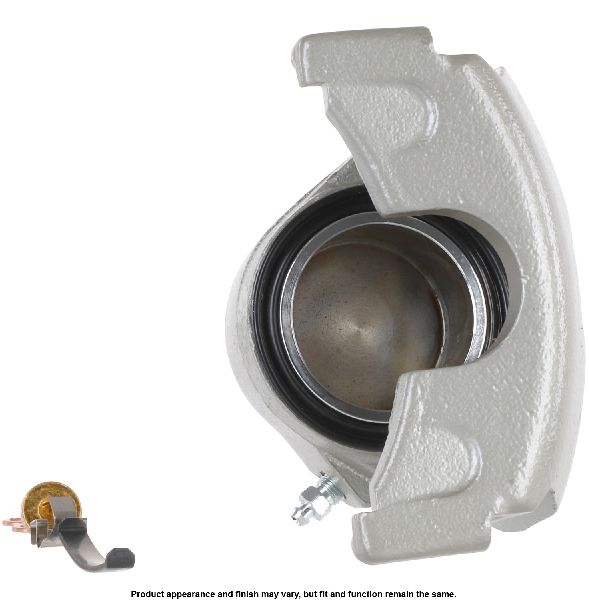
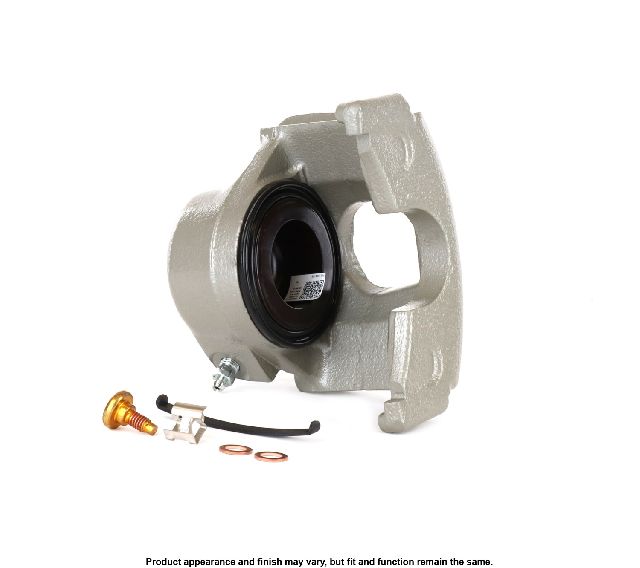
For a classic truck like the '81-'85 Bronco, new original equipment (OEM) calipers from Ford are generally not available. The market is dominated by new aftermarket and remanufactured parts. The prompt specified new aftermarket parts, which are a great choice for reliability.
New vs. Remanufactured:
- New Aftermarket: These are 100% new parts, from the caliper body to the seals and pistons. They offer maximum reliability and a longer service life, which is a good investment for peace of mind.
- Remanufactured: These start with an original caliper body (the "core") that is cleaned, inspected, and rebuilt with new seals, boots, and other wear items. High-quality remanufactured parts from trusted brands like Cardone or BBB Industries can be a cost-effective and reliable option.
Available Brands: Cardone and BBB Industries
Both Cardone and BBB Industries are well-known suppliers in the aftermarket. Cardone has been remanufacturing calipers for decades and offers both new and remanufactured lines. BBB Industries also provides quality remanufactured calipers, often with a protective coating to prevent rust. Reviews for remanufactured parts can be mixed, with some users reporting issues with finish or reused components, while others have success. For a critical safety component, choosing a new aftermarket part or a premium remanufactured line with a good warranty is recommended.
Pro Tip: Loaded vs. Unloaded Calipers
You may see options for "loaded" or "unloaded" calipers. An unloaded caliper is just the caliper itself. A loaded caliper comes pre-assembled with new brake pads and sometimes new hardware. For a full brake job, a loaded caliper can save time and ensure all components are fresh.
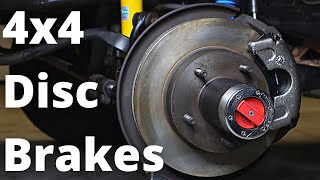
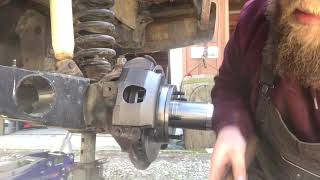
🎬 See how to replace brake calipers and pads step-by-step.Cost of Replacing a 1981-1985 Bronco Brake Caliper
Here is a general breakdown of what you can expect to pay. Prices can vary based on your location, the specific brand, and the repair shop.
| Part/Service | Estimated Cost |
|---|---|
| New Aftermarket Caliper (Single) | $35 - $60 |
| Remanufactured Caliper (Single) | $30 - $55 |
| Shop Labor (Per Side) | $100 - $200 |
| Total Professional Replacement (Per Side) | $135 - $260 |
Note: This does not include the cost of new brake pads, rotors, or brake fluid 🎬 Watch a full restoration of front disc brakes and bearings., which are often replaced at the same time.
Frequently Asked Questions
Should I replace my brake calipers in pairs?
Yes, it is highly recommended. Calipers wear at a similar rate. Replacing just one can lead to unbalanced braking, causing your Bronco to pull to one side. Replacing both front calipers at the same time ensures even performance and safety.
What is a "core charge"?
When you buy a remanufactured part like a brake caliper, you'll often see a "core charge." This is a deposit that you get back when you return your old, worn-out caliper to the store. This allows the manufacturer to rebuild your old part and keep costs down.
Do I need to bleed the brakes after replacing a caliper?
Absolutely. When you disconnect the old caliper, air enters the brake lines. You must bleed the brake system to remove all the air and ensure a firm pedal and proper braking function. Failure to do so is extremely dangerous.
What tools are needed to replace a Bronco caliper?
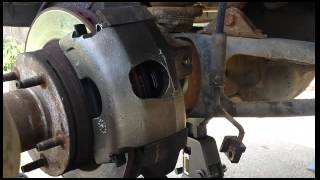
You'll need a good set of wrenches, a socket set, a floor jack and jack stands, a hammer and flat-head screwdriver for the retainer key, a C-clamp to compress the piston (on the old caliper), and a brake bleeding kit. The front calipers on these Broncos are held by a retainer key and bolt system 🎬 Learn how the unique retainer key system works on these calipers., not the more modern slide pins.
Helpful Videos
Technical Specifications
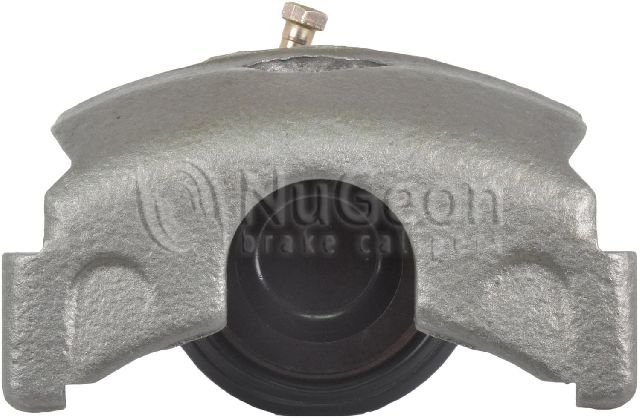
Brake Caliper Type: Single Piston Floating Caliper. Piston Material: Phenolic (Plastic) or Steel, depending on manufacturer. Piston Diameter: ~73mm (2.874 in). Inlet Port Thread: 3/8-24. Bleeder Screw Thread: 7/16-20.
We Have This Part in Stock

The information in this article is provided for general reference and educational purposes only. Vehicle specifications, procedures, and part compatibility can vary by production date, trim level, and region. Always consult your vehicle's factory service manual and verify part numbers before purchasing or performing repairs. Safety-critical components such as airbags, seat belts, and braking systems should be installed by a qualified professional.
- Ford Bronco: