

Spark Plug Guide for the 1981-1985 Land Rover Range Rover Classic
Keep your classic Range Rover's carbureted 3.5L V8 running strong with the right set of spark plugs.
- Use standard copper-core spark plugs from reputable brands like NGK (BPR6ES) or Champion (N9Y).
- Avoid expensive iridium or platinum plugs, as they offer no real benefit for the classic Rover V8 engine.
- Always check and set the spark plug gap to 0.025 inches (0.635 mm) before installation.
- Due to the vehicle's age, there are no active recalls or TSBs for spark plugs; issues are related to routine maintenance.
Signs of Failing Spark Plugs
The simple design of the 1981-1985 Range Rover's 3.5L V8 makes it sensitive to spark plug condition. Worn or fouled plugs can cause noticeable problems. If you experience a rough idle, engine misfires (a stumbling or shaking feeling), poor acceleration, or a drop in fuel economy, your spark plugs are a likely culprit. Difficulty starting the engine, especially when cold, is another common symptom.
Don't Ignore Misfires
While the vehicle is generally safe to drive with old plugs, a consistent misfire can allow unburned fuel into the exhaust. This can lead to backfiring and, over time, could potentially damage other components. It's best to address failing spark plugs promptly to maintain engine health.
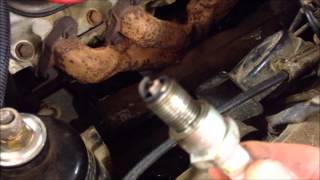
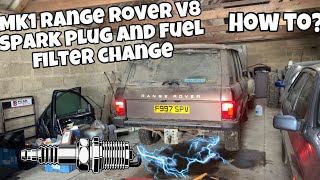
🎬 See this step-by-step guide for changing V8 plugs and filters.Choosing the Right Aftermarket Spark Plugs
For a classic vehicle like the 1981-1985 Range Rover, original equipment (OEM) spark plugs are often hard to find and unnecessary. High-quality aftermarket brands provide excellent performance, often exceeding the standards of the 1980s. The key is to choose the right type of plug for this specific engine.
Stick with Standard Copper Plugs
The Rover V8 was designed for standard copper-core spark plugs. While modern platinum and iridium plugs last longer, they are not necessary for this engine and offer no significant performance benefit. In fact, some owners report that these simple, carbureted engines run best on basic copper plugs. Reputable brands to look for include:
- NGK: The BPR6ES is a widely recommended and commonly used spark plug for the Rover V8. It is considered a high-quality and reliable option by many owners and mechanics.
- Champion: Champion plugs, such as the N9Y or RN11YC, were often factory-spec for these engines and remain a solid choice. Some purists prefer to stick with Champion for originality.
- Bosch: Bosch also offers compatible copper plugs, including multi-electrode designs like the Super 4, which some owners have used with success.
The Importance of Gapping
Even if plugs are advertised as "pre-gapped," you must check and adjust the gap before installation. The correct spark plug gap for the V8 engine in this Range Rover is typically 0.025 inches (0.635 mm). An incorrect gap can lead to a weak spark, misfires, and poor performance. Use a feeler gauge or a gapping tool to ensure accuracy.
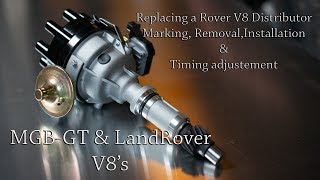
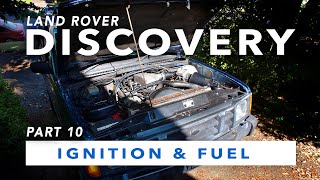
🎬 Watch: Detailed overview of Rover V8 ignition and fuel systems.Known Issues, Recalls, and Technical Service Bulletins (TSBs)
Due to the age of the 1981-1985 Land Rover Range Rover, there are no active recalls or TSBs issued by the National Highway Traffic Safety Administration (NHTSA) for spark plugs. Any issues related to spark plugs on a vehicle of this vintage are typically due to normal wear and tear, improper installation, or using the incorrect part.
Cost of Replacing Spark Plugs
| Part Type | Estimated Cost (Set of 8) |
|---|---|
| New Aftermarket (NGK, Champion) | $20 - $40 |
| Shop Labor | $100 - $200 |
Frequently Asked Questions
How often should I replace the spark plugs?
For standard copper plugs in the Rover V8, a replacement interval of every 15,000 to 30,000 miles or every 2-3 years is a good practice, depending on your driving habits. Given the low cost, frequent changes are good preventative maintenance.
Can I use modern Iridium or Platinum spark plugs?
While they will fit, it is generally not recommended or necessary. The benefits of long-life plugs are minimal in this engine, and some owners report better performance with standard copper plugs that the ignition system was designed for.
Is replacing the spark plugs a DIY job?
Yes, for most owners with basic tools, this is a straightforward DIY task. The spark plugs on the Rover V8 are generally accessible. You will need a spark plug socket, a ratchet with extensions, and a gapping tool. Always work on a cold engine to prevent damage to the aluminum cylinder head threads.
🎬 Watch: A quick walkthrough of Range Rover Classic spark plug replacement.What is the OEM part number for these spark plugs?
The original Land Rover part number was often ERR3799, which cross-references to plugs like the Champion RN11YC.
Helpful Videos
Technical Specifications
OEM Part Numbers: ERR3799
Engine: 3.5L V8 (Carbureted) Quantity Required: 8 Recommended Type: Standard Copper Core Recommended Gap: 0.025" (0.635 mm) Common Aftermarket Plugs: NGK BPR6ES, Champion N9Y/RN11YC

The information in this article is provided for general reference and educational purposes only. Vehicle specifications, procedures, and part compatibility can vary by production date, trim level, and region. Always consult your vehicle's factory service manual and verify part numbers before purchasing or performing repairs. Safety-critical components such as airbags, seat belts, and braking systems should be installed by a qualified professional.
- Land Rover Range Rover:
- 🎬 Helpful Videos
- Signs of Failing Spark Plugs
- Don't Ignore Misfires
- Choosing the Right Aftermarket Spark Plugs
- Stick with Standard Copper Plugs
- The Importance of Gapping
- Known Issues, Recalls, and Technical Service Bulletins (TSBs)
- Cost of Replacing Spark Plugs
- Frequently Asked Questions
- 🎟️ Get 5% Off