

1981-1985 Mazda GLC Engine Coolant Bypass Hose Replacement Guide
Keep your classic GLC running cool by understanding when and how to replace this small but vital hose.
- A failing coolant bypass hose will cause leaks, overheating, or a sweet smell from the engine.
- Do not drive if your engine is overheating, as this can cause catastrophic damage.
- OEM parts are unavailable; choose a quality aftermarket brand like Gates or Continental for a reliable repair.
- It is highly recommended to replace all radiator and heater hoses at the same time as the bypass hose.
Is Your GLC's Engine Coolant Bypass Hose Failing?
On a classic car like the 1981-1985 Mazda GLC, rubber parts are well past their original lifespan. Decades of heat cycles and exposure to coolant chemicals cause hoses to become brittle and weak. A failing bypass hose can cause serious engine problems, so it's important to know the warning signs.
Key Failure Symptoms:
- Coolant Leaks: This is the most common sign. You may find small puddles of green or yellow fluid under your engine. Sometimes, a slow leak just leaves a crusty residue on the hose or nearby parts.
- Sweet Smell from Engine Bay: When coolant leaks onto a hot engine, it burns off and creates a distinct, sweet odor.
- Engine Overheating: A significant leak will cause a loss of coolant, making your temperature gauge climb into the red zone. Driving an overheating engine can cause severe damage.
- Visible Hose Damage: Inspect the hose itself. If it looks cracked, swollen, bulging, or feels mushy or rock-hard, it needs to be replaced immediately.
- Frequent Need to Add Coolant: If you constantly have to top off the coolant in your reservoir, you have a leak. The bypass hose is a likely suspect.
Stop If You See These Signs
If your temperature gauge is in the red or you see steam coming from under the hood, pull over and shut off the engine as soon as it is safe. A burst hose can lead to rapid coolant loss and catastrophic engine damage.
Choosing the Right Aftermarket Bypass Hose
Original Equipment Manufacturer (OEM) hoses for a vehicle of this age are no longer available. However, high-quality aftermarket brands provide excellent replacements that often meet or exceed the original specifications. For your Mazda GLC, you will find reliable options from the following brands.
- Tier 1 (Excellent Quality): Brands like Gates and Continental are top-tier choices in the aftermarket. They are known for their durable materials (like EPDM rubber) and precise fitment. Both are trusted by professional mechanics and are an excellent choice for ensuring a long-lasting repair.
Since this is a simple, low-cost part, choosing a top-tier brand is a smart investment in reliability for your classic Mazda.
Pro Tip: Replace More Than Just the Hose
If the bypass hose has failed due to age, your other coolant hoses (radiator and heater hoses) are likely in the same condition. It is highly recommended to replace all of them at the same time, along with the hose clamps, to prevent another breakdown in the near future.
Cost to Replace a Mazda GLC Coolant Bypass Hose
The cost to replace the engine coolant bypass hose is very reasonable, especially if you do the work yourself. The part itself is inexpensive, and the labor is straightforward for a mechanic or a skilled DIYer.
| Item | Estimated Cost |
|---|---|
| New Aftermarket Part | $7.01 - $55.93 |
| Shop Labor | $100 - $200 |
| Total Professional Replacement | $107 - $256 |
Frequently Asked Questions
Can I drive my GLC with a leaking bypass hose?
It is not recommended. A small leak can turn into a burst hose without warning, leading to rapid coolant loss and severe engine overheating. It is best to fix the leak as soon as possible.
Is replacing the bypass hose a good DIY project?
Yes, for most owners with basic tools. The job involves draining some coolant, removing the old hose and clamps, and installing the new parts. The biggest challenge is usually accessing the hose clamps, which may be in a tight spot. After replacement, the cooling system must be refilled and any trapped air must be bled out.
Are there any recalls for this part on the 1981-1985 Mazda GLC?
No. A search of the National Highway Traffic Safety Administration (NHTSA) database shows no recalls or technical service bulletins (TSBs) related to the coolant bypass hose for this vehicle. Failures are due to the age of the rubber components.
What type of coolant should I use in my Mazda GLC?
For a vintage vehicle like the 1981-1985 GLC, a conventional "green" Inorganic Additive Technology (IAT) coolant is the correct choice. Always mix it 50/50 with distilled water. Do not use modern coolants like OAT (orange/red) as they are not compatible with the materials in your cooling system.
Technical Specifications
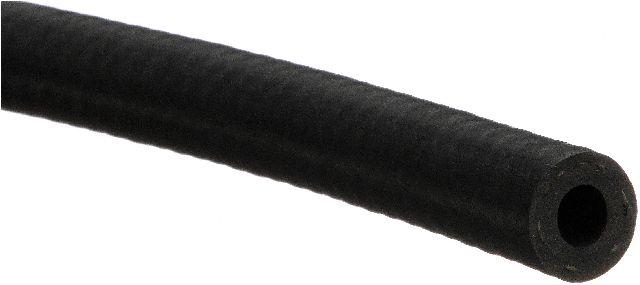
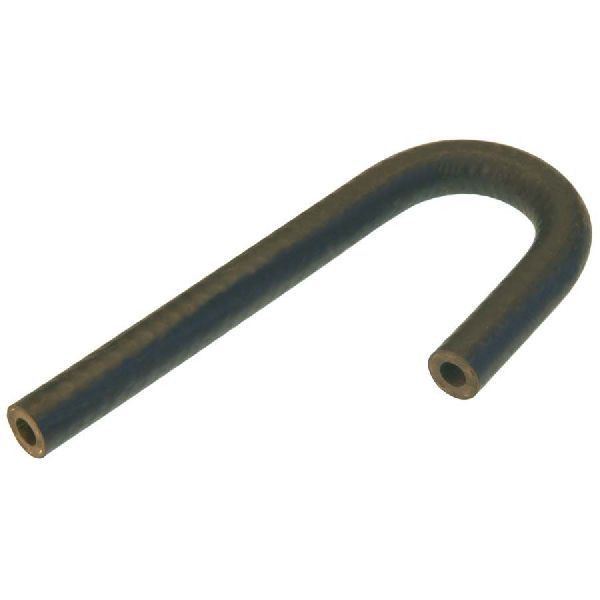
The primary specifications are the hose's inner diameter and its specific molded shape to fit the engine layout. Aftermarket parts from brands like Gates and Continental are designed to match these original specifications.
We Have This Part in Stock

The information in this article is provided for general reference and educational purposes only. Vehicle specifications, procedures, and part compatibility can vary by production date, trim level, and region. Always consult your vehicle's factory service manual and verify part numbers before purchasing or performing repairs. Safety-critical components such as airbags, seat belts, and braking systems should be installed by a qualified professional.
- Mazda GLC: