

A Guide to the 1981-1985 Pontiac Firebird Engine Oil Pan
Keep your classic Firebird's engine safe by understanding its oil pan needs.
- The most common failure is the oil pan gasket, not the pan itself.
- You MUST correctly identify your Firebird's engine (e.g., 305 V8) to order the correct pan.
- Replacement can be difficult and may require lifting the engine for clearance.
- Aftermarket brands like Dorman, Spectra, and ATP/Pioneer offer reliable, affordable options.
Is Your Firebird's Oil Pan Failing?
For a classic car like the 1981-1985 Pontiac Firebird, the oil pan is subject to decades of potential problems. The most common issues are not with the pan itself, but with the gasket that seals it to the engine block. Over time, this gasket can become brittle and crack, causing oil leaks. Another frequent problem is a stripped or damaged drain plug from years of oil changes. Physical damage from road debris hitting the pan can also cause dents or cracks, leading to significant oil loss. Rust is also a major enemy, especially for cars that have seen their share of winter roads.
Symptoms of a Bad Oil Pan or Gasket
- Oil Puddles: The most obvious sign is a puddle of dark oil under the front of your car after it has been parked.
- Low Oil Light: If you are constantly needing to add oil or your oil warning light comes on, you likely have a leak.
- Visible Damage: Look under your car. A pan that is covered in fresh oil, dented, or heavily rusted is a clear sign of a problem.
- Smoke from Engine Bay: Oil dripping onto hot exhaust components will create smoke and a distinct burning smell.
Check the Engine First
Before you blame the oil pan, make sure the leak isn't coming from higher up on the engine. Leaks from valve covers or the rear main seal can drip down and make it look like the oil pan is the problem. Clean the engine thoroughly and then run it to pinpoint the exact source of the leak.
Choosing a New Aftermarket Oil Pan
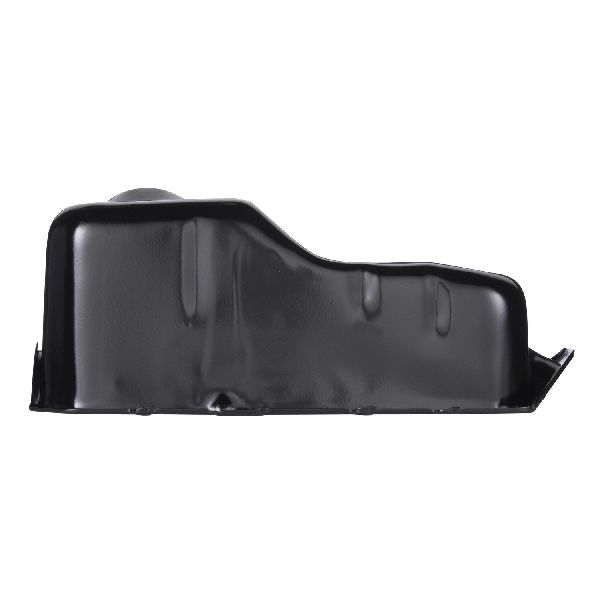
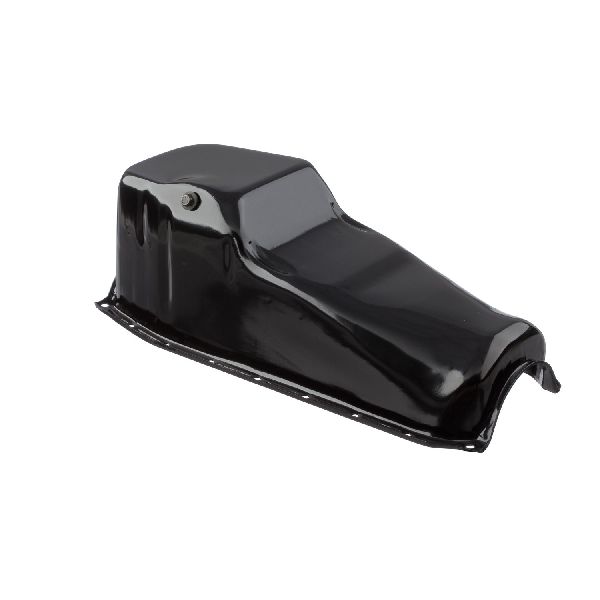
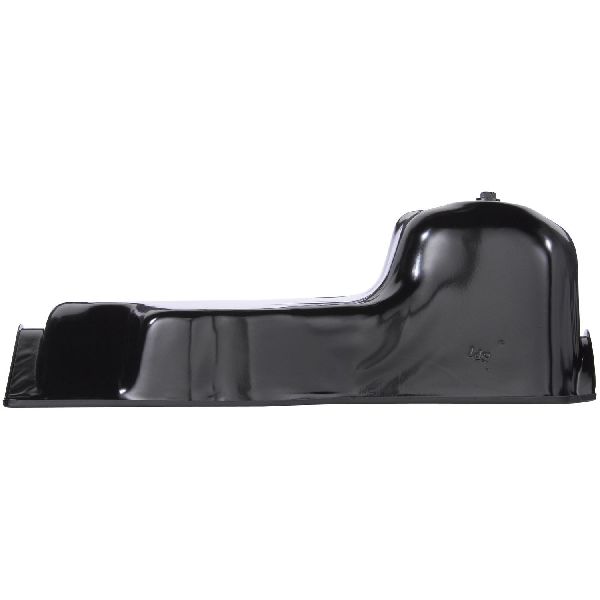
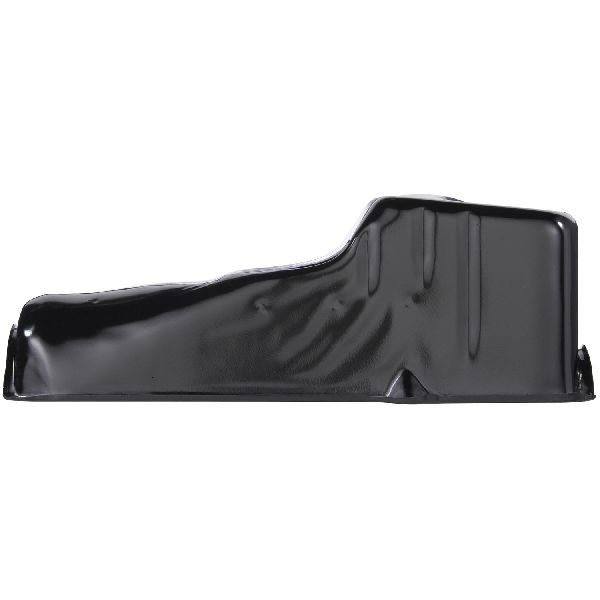
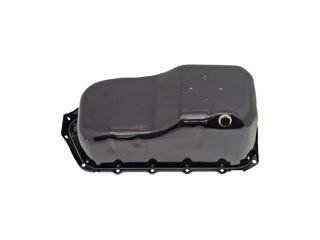
Since Original Equipment Manufacturer (OEM) parts for this generation of Firebird are scarce, the aftermarket is your primary source. The good news is that aftermarket pans are often affordable and readily available. For a simple stamped steel part like an oil pan, aftermarket quality is generally sufficient. The most critical factor is ensuring you buy the correct pan for your specific engine, as Pontiac offered several options during these years, including V6 and V8 engines like the 305 cid.
Brand Tiers & Quality
When shopping for a replacement, you'll encounter several brands. Here's a general breakdown based on user reviews and reputation:
- Dorman: A widely recognized brand, Dorman often provides OE-equivalent parts. Their pans are generally considered a good fit and of decent quality, though some users have noted differences like metric drain plugs on applications that originally had standard ones.
- Spectra Premium: Spectra is another major player, known for good fitment and including features like anti-corrosive coatings. While most reviews are positive, there have been occasional complaints about leaky drain plugs.
- ATP / Pioneer: These brands are often mentioned together and are well-regarded for making parts that are as good as, or sometimes even thicker and more durable than, the original. They are considered a high-quality OE replacement alternative.
Don't Forget the Gasket!
Most new oil pans do not come with a gasket. Replacing the gasket is essential for a leak-free job. High-quality, one-piece gaskets are available and are often easier to install and more reliable than older multi-piece or cork gaskets.
Common Ordering Mistakes
The biggest mistake is ordering a pan without confirming your engine type. The 1981-1985 Firebird was available with different engines, including the Chevy 305 V8 and the Pontiac 301 V8, and the oil pans are not interchangeable. Always verify your engine before purchasing. Also, double-check if the pan is for a two-piece or one-piece rear main seal, as this can affect the pan's shape at the back.
| Part/Service | Estimated Cost |
|---|---|
| New Aftermarket Oil Pan | $92 - $202 |
| Oil Pan Gasket Set | $20 - $50 |
| Shop Labor | $250 - $500 |
| Total Professional Replacement | $362 - $752 |
Frequently Asked Questions
Is it hard to replace a Firebird oil pan?
It can be challenging. On a second-generation F-Body like your Firebird, there isn't a lot of room. The process often requires lifting the engine slightly off its mounts to get enough clearance to remove the pan. It's a doable job for an experienced home mechanic, but a professional shop may be a better option for many owners.
Are there any recalls for the 1981-1985 Firebird oil pan?
No, there are no specific recalls issued by the NHTSA for the engine oil pan on these vehicles. There was a recall related to oil filters that could cause oil leaks, but not the pan itself.
Should I use sealant on the new gasket?
It depends on the gasket type. Modern one-piece rubber gaskets often don't require sealant. However, it is standard practice to apply a small dab of RTV silicone sealant at the corners where the timing cover meets the block and where the rear main seal cap meets the block to prevent leaks in these critical spots.
Can I just fix the leak instead of replacing the pan?
If the leak is from a loose bolt or a bad drain plug, you can try tightening the bolts (to the correct torque specification!) or replacing the plug. If the pan itself is rusted through or cracked, replacement is the only safe and permanent solution. If the gasket is the problem, it must be replaced.
Technical Specifications
Material: Stamped Steel. Sump Location: Rear. Gasket Type: Typically 4-piece cork or 1-piece rubber. Engine Fitment: Specific to engine code (e.g., LG4 305 V8, LU5 305 V8, Pontiac 301 V8, Buick 231 V6).
We Have This Part in Stock


The information in this article is provided for general reference and educational purposes only. Vehicle specifications, procedures, and part compatibility can vary by production date, trim level, and region. Always consult your vehicle's factory service manual and verify part numbers before purchasing or performing repairs. Safety-critical components such as airbags, seat belts, and braking systems should be installed by a qualified professional.
- Pontiac Firebird: