

Chevrolet C10 Engine Coolant Temperature Sensor Guide (1981-1986)
Understanding the right coolant temperature sensor for your classic Chevy C10.
- A bad ECT sensor on a C10 most commonly causes an inaccurate temperature gauge and poor fuel economy.
- Replacement is a simple DIY task, usually taking less than 30 minutes with basic tools.
- For reliability, choose premium aftermarket brands like ACDelco or Delphi, which were original suppliers to GM.
- Verify the sensor's location (cylinder head or intake manifold) and connector type before purchasing a replacement.
Is Your C10's Temp Gauge Acting Up?
🎬 Watch this guide on fixing a faulty C10 temperature gauge.A faulty Engine Coolant Temperature (ECT) sensor can cause a variety of issues with your 1981-1986 Chevrolet C10. Since this sensor is responsible for reporting engine temperature to you and your truck's engine management system, a bad sensor can lead to poor performance and potential engine damage if ignored. Symptoms often start small, like an inaccurate gauge reading, but can become more serious.
Don't Ignore a Faulty Sensor
Driving with a bad ECT sensor can lead to an engine that runs too rich, poor fuel economy, and in some cases, overheating. If the sensor provides a false "cold" signal, the engine may receive too much fuel, causing black smoke and poor mileage. If it sends a false "hot" signal, the engine may not perform correctly.
Symptoms of a Failing ECT Sensor on a C10
- Inaccurate Temperature Gauge: The most common symptom is the gauge on your dashboard reading incorrectly—either staying cold, pegging hot as soon as the truck starts, or fluctuating wildly.
- Poor Fuel Economy: If the sensor tells the computer the engine is always cold, the system will continuously run a rich fuel mixture, wasting gas.
- Black Smoke from Exhaust: A rich fuel mixture from a bad sensor can result in unburned fuel exiting the exhaust as black smoke.
- Engine Performance Issues: You might experience rough idling, hesitation, or a general lack of power. 🎬 See how a bad sensor causes cold idle and running issues. This is more common on later models with computer-controlled engines.
- Check Engine Light: On trucks equipped with an engine computer, a faulty sensor can trigger the Check Engine Light.
Choosing the Right Aftermarket ECT Sensor
For a vehicle like the 1981-1986 C10, aftermarket parts offer excellent value. The technology for this sensor is well-established, and many aftermarket brands produce reliable replacements. Here’s how the available brands generally stack up.
Brand Quality Tiers
- Premium Aftermarket (OEM-Equivalent): ACDelco and Delphi are top choices. ACDelco is GM's own parts brand, and Delphi was a major original equipment manufacturer (OEM) for GM. Choosing either of these is as close to original quality as you can get. NGK is also a highly respected brand known for its sensor technology.
- Trusted Aftermarket: Standard Ignition (Standard Motor Products) and Hella are well-regarded brands that produce quality parts often matching or exceeding OEM standards. Many professional mechanics trust these brands for their reliability and performance.
- Economy Options: Brands like Four Seasons, Motorad, and Holstein provide a budget-friendly solution. While they may not have the same long-standing reputation as the premium brands, they can be a good choice for a daily driver or a budget-conscious repair, especially for a simple component like an ECT sensor.
Pro Tip: Check Your Connector
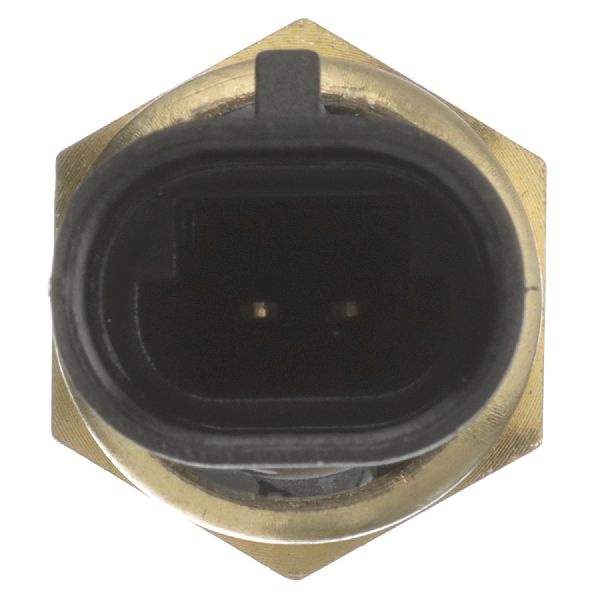
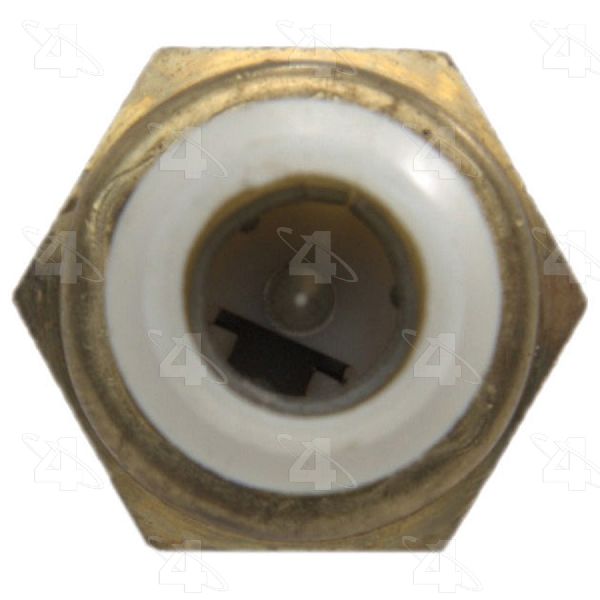
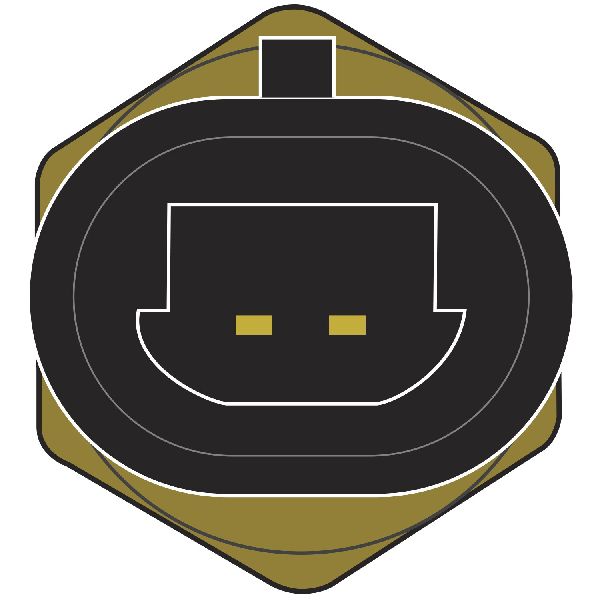
Over the years, the connector on your C10's ECT sensor may have become brittle and could break during replacement. Inspect the wiring and connector when you replace the sensor. Also, be aware that different sensors for this era have different connector types (e.g., single pin, spade, button). Make sure your new sensor matches your truck's wiring harness.
| Tier | Brand Examples | Estimated Price Range |
|---|---|---|
| Premium | ACDelco, Delphi, NGK | $30 - $57 |
| Trusted | Standard Ignition, Hella | $20 - $40 |
| Economy | Four Seasons, Motorad, Holstein, etc. | $12 - $25 |
Frequently Asked Questions (FAQ)
Where is the ECT sensor located on a 1981-1986 C10?
The location can vary slightly. For the dashboard temperature gauge, the sensor is typically found on the driver's side cylinder head, between the #1 and #3 spark plugs. On models with an engine computer (common on later years or TBI-equipped trucks), a second sensor for the computer may be located on the intake manifold, near the thermostat housing.
Is it difficult to replace the ECT sensor?
No, this is a very simple job for a DIY mechanic. It typically involves unplugging the electrical connector and using a deep socket or wrench to unscrew the old sensor. The new sensor screws into place, and the connector is reattached. The entire process usually takes less than 30 minutes.
Do I need to drain the coolant to replace the sensor?
You don't need to drain the entire system. However, the sensor is threaded into a coolant passage, so some coolant will leak out when you remove it. To minimize loss, have the new sensor ready to install quickly. You can also perform the replacement when the engine is cold to avoid being burned by hot coolant.
My gauge is pegged on HOT. Is the sensor bad?
It's a strong possibility. A gauge that reads full hot immediately can be caused by a failed sensor or a grounded wire leading to the sensor. A quick test is to disconnect the wire from the sensor; if the gauge drops to cold, the sensor is likely the problem. If it stays hot, you may have a short in the wire.
🎬 Watch: How to test your temperature gauge and sending unit.Are there any recalls for the ECT sensor on the C10?
No, there are no specific recalls or Technical Service Bulletins (TSBs) from GM or the NHTSA for the Engine Coolant Temperature Sensor on the 1981-1986 Chevrolet C10. Any issues are typically due to age and normal wear.
Helpful Videos

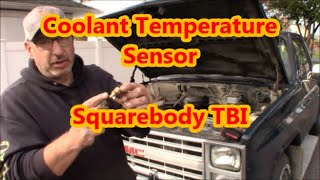
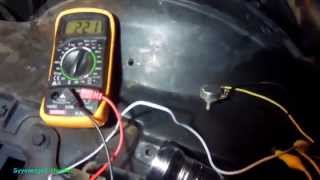
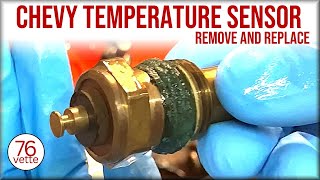
Technical Specifications
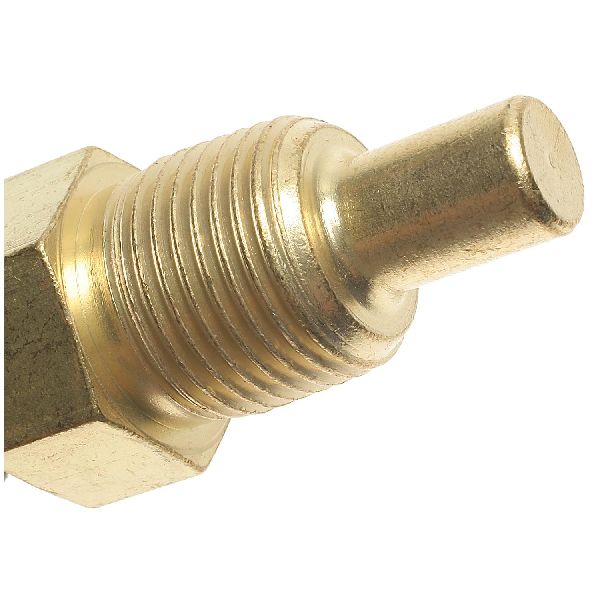
OEM Part Numbers: 1513321 G1852
The sensor for the gauge is typically a single-wire variable resistor. Resistance is high when cold and decreases as the engine warms up. The sensor for the computer (if equipped) is usually a two-wire sensor. Location is either the driver-side cylinder head or the intake manifold near the thermostat housing.
We Have This Part in Stock


The information in this article is provided for general reference and educational purposes only. Vehicle specifications, procedures, and part compatibility can vary by production date, trim level, and region. Always consult your vehicle's factory service manual and verify part numbers before purchasing or performing repairs. Safety-critical components such as airbags, seat belts, and braking systems should be installed by a qualified professional.
- Chevrolet C10: