

Engine Coolant Temperature Sensor Guide for 1981-1986 Chevrolet K30
Keep your K30's engine running right by understanding this critical, easy-to-replace sensor.
- Verify if you need the sensor (for the computer) or the sender (for the gauge), as they are different parts in different locations.
- A faulty sensor can cause significant running issues like poor fuel economy, black smoke, and rough idling.
- Replacement is a simple, quick DIY job for most owners, requiring only basic hand tools.
- Choosing a quality aftermarket brand like Delphi, Standard Ignition, or Beck Arnley is a reliable choice for this part.
Symptoms of a Bad Coolant Temperature Sensor
A failing coolant temperature sensor can make your reliable K30 run poorly. Because the sensor's reading affects the fuel mixture, a bad sensor often tricks the computer into thinking the engine is always cold. This leads to a rich fuel mixture, causing several noticeable problems. You might see black smoke from the exhaust, notice your fuel economy getting worse, or have trouble starting the engine. A rough idle is another common symptom as the engine struggles with the incorrect air-fuel ratio. In some cases, a faulty sensor can also cause the engine to overheat.
Don't Confuse the Sensor with the Sender
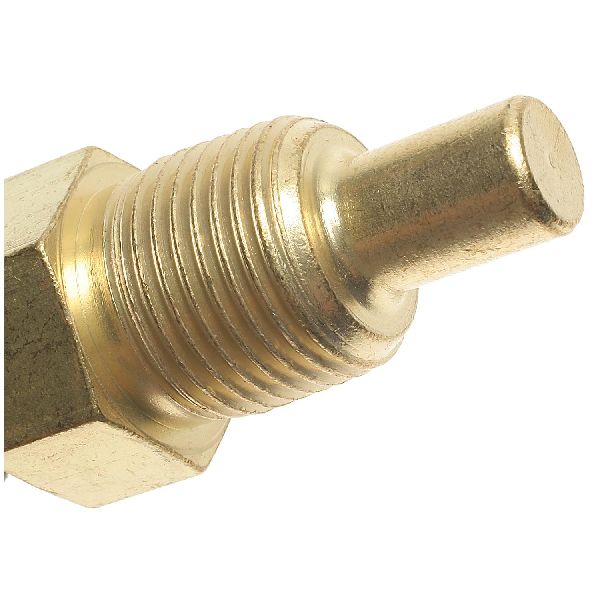
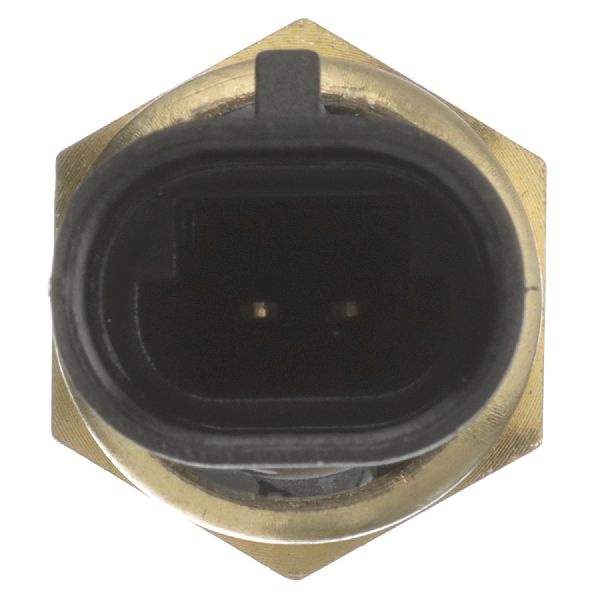
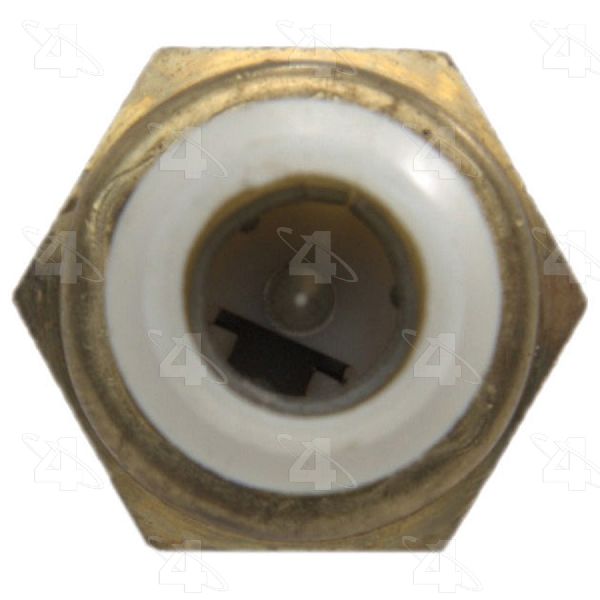
Your 1981-1986 K30 likely has two temperature units. The Engine Coolant Temperature Sensor has a two-wire connector and sends information to the engine's computer (ECM). It is typically located on the front of the intake manifold. The Temperature Gauge Sender has a single-wire connector and only operates the gauge on your dashboard. It is usually found on the driver's side cylinder head. Before ordering, make sure you know which one you need to replace.
Choosing the Right Aftermarket Sensor
For a straightforward part like an ECT sensor on a classic truck, you don't necessarily need to hunt down a rare OEM part. Many aftermarket brands offer reliable quality that meets or exceeds original specifications. The key is to choose a reputable brand.
- Premium Aftermarket (Delphi, NGK, Standard Ignition): These brands are often original equipment suppliers for various automakers and have a strong reputation for quality and reliability. Delphi is a well-regarded name, often considered an OEM equivalent for GM vehicles. Standard Motor Products (SMP) is another trusted choice with broad coverage for older vehicles.
- Quality Aftermarket (Beck Arnley, Hella, Four Seasons): Brands like Beck Arnley specialize in meeting OE specifications for fit and function and are known for their quality. They are a solid choice for owners looking for a dependable part without the premium price tag.
- Standard Aftermarket (Global Parts, True Tech): These brands provide a cost-effective solution. For a simple sensor on an older vehicle like the K30, these can be a perfectly acceptable option for budget-conscious repairs.
Pro Tip: When replacing the sensor, have the new one ready to swap in quickly. This minimizes coolant loss, so you may not need to drain the entire system. A little bit of coolant will spill, so have a rag handy. The job is easiest on a cold engine.
Cost of a New Engine Coolant Temperature Sensor
| Part Type | Price Range |
|---|---|
| New Aftermarket | $12.58 - $37.74 |
| Shop Labor | $90 - $150 |
Prices are estimates and may vary based on location and supplier. Labor costs are estimated for one hour of work.
Frequently Asked Questions
Where is the ECT sensor located on my K30?
The main Engine Coolant Temperature sensor for the computer is typically screwed into the front of the intake manifold, near the thermostat housing. The sender for the dashboard gauge is usually on the driver's side cylinder head, between the spark plugs.
Do I need to drain the coolant to replace the sensor?
You don't have to drain the entire system. If you are quick, you can unscrew the old sensor and immediately screw in the new one. You will only lose a small amount of coolant. Performing this on a cold engine is recommended.
What tools do I need for the replacement?
The job is very simple. You will typically need a deep socket (often 3/4 inch) and a ratchet to remove and install the sensor. It's also a good idea to have some rags to clean up any spilled coolant.
Can a bad ECT sensor cause a 'Check Engine' light?
Yes. If the signal from the sensor is out of the expected range, the engine's computer can trigger a 'Check Engine' light. However, diagnostic systems on these older trucks are less sophisticated than on modern vehicles.
Technical Specifications
The key specification is the sensor's resistance range, which changes with temperature. For 1979-1991 GM trucks, the resistance should be around 1365 ohms when cold. It is critical to get a sensor calibrated for your truck's year range to ensure accurate readings.
We Have This Part in Stock



The information in this article is provided for general reference and educational purposes only. Vehicle specifications, procedures, and part compatibility can vary by production date, trim level, and region. Always consult your vehicle's factory service manual and verify part numbers before purchasing or performing repairs. Safety-critical components such as airbags, seat belts, and braking systems should be installed by a qualified professional.
- Chevrolet K30: