

A Guide to the Alternator for the 1981-1987 Audi Coupe GT
Keep your classic Coupe's electrical system running strong by understanding its charging system and choosing the right replacement alternator.
- Verify your required amperage; a 90-amp unit is the safest bet for cars with A/C and other accessories.
- A remanufactured Bosch alternator is the most recommended option for reliability and proper fit, as Bosch was the likely OEM supplier.
- Dimming headlights and a battery warning light are the most common signs of a failing alternator.
- Before replacing the alternator, always check the condition of the battery, cables, and drive belt first.
Is Your Audi Coupe's Alternator Failing?
On a classic car like the 1981-1987 Audi Coupe, the electrical system is simpler than on modern vehicles, but the alternator's job is just as critical. Failures can sometimes be gradual, but they will eventually leave you stranded. Watching for the early warning signs is key to avoiding a breakdown.
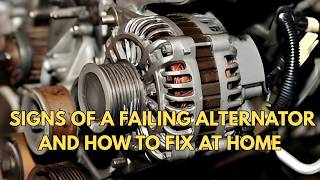
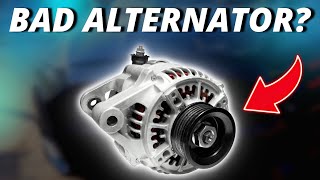
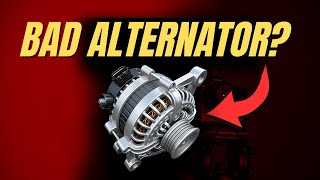
🎬 Watch: A visual guide to common alternator failure symptomsCommon Symptoms of a Bad Alternator
- Dimming or Flickering Lights: The most common sign is seeing your headlights and dashboard lights dim, brighten, or flicker as you drive or use electrical accessories.
- Battery Warning Light: A light shaped like a battery or with the letters "ALT" or "GEN" on your instrument cluster indicates a problem with the charging system.
- Slow or Failing Accessories: Power windows that move slowly, a weak-sounding radio, or other electrical gadgets acting up are classic symptoms.
- Whining or Grinding Noises: A high-pitched whine or a grinding sound coming from the front of the engine can mean the bearings inside the alternator are failing.
- Dead Battery: If the alternator isn't recharging the battery, you may find the car won't start, even after a recent drive or a jump-start.
Pro Tip: Check the Basics First
Before you replace the alternator, make sure your battery is in good health and the terminals are clean and tight. Also, inspect the alternator drive belt. A loose or worn belt can't spin the alternator properly, mimicking the symptoms of a failed unit. Sometimes, simply tightening or replacing the belt can solve the problem.
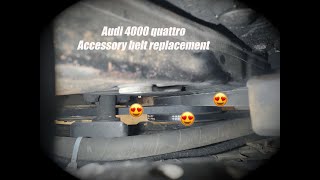
🎬 See this walkthrough on replacing your Audi's accessory beltsChoosing the Right Aftermarket Alternator
For a vintage vehicle like the Audi Coupe GT, finding a brand-new OEM part is nearly impossible. Your choices will be between new aftermarket units and remanufactured ones. The most important factor is choosing an alternator with the correct amperage.
The Importance of Amperage: 65 vs. 90 Amps
Your Audi Coupe came with a couple of different alternator options, typically a 65-amp or a 90-amp unit. A forum user with an '84 Coupe GT reported persistent charging issues after installing a 75-amp unit, suspecting a 90-amp version was required. If your car has features like air conditioning, a powerful stereo, or other electrical accessories, the 90-amp alternator is the recommended choice to handle the higher electrical load. Installing an alternator with too low an amperage rating will result in poor charging performance and a shortened lifespan.
Aftermarket Brand Quality
Not all aftermarket brands are created equal. For German vehicles, sticking with the original equipment supplier is often the best path to reliability.
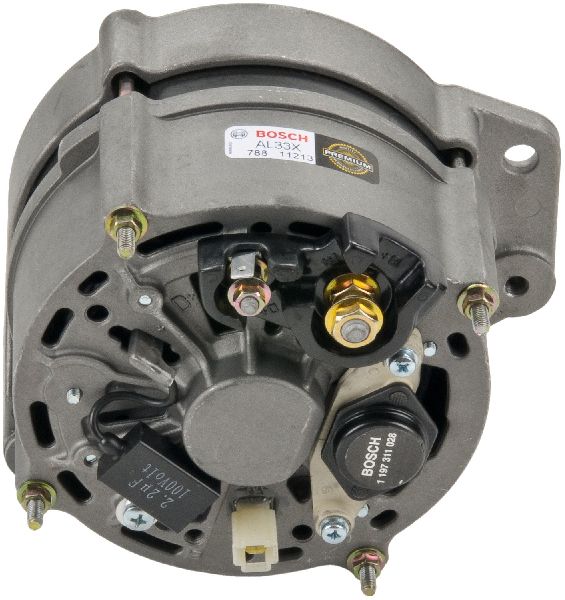
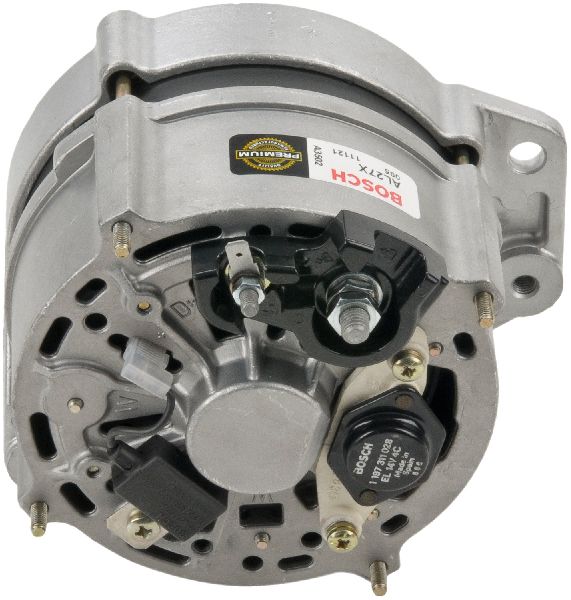
- Bosch (Remanufactured): Bosch was the likely original equipment manufacturer (OEM) for your Audi. Their remanufactured units are rebuilt to factory specifications and are generally considered the most reliable and highest-quality option available. They are typically fully load-tested to ensure they perform correctly out of the box.
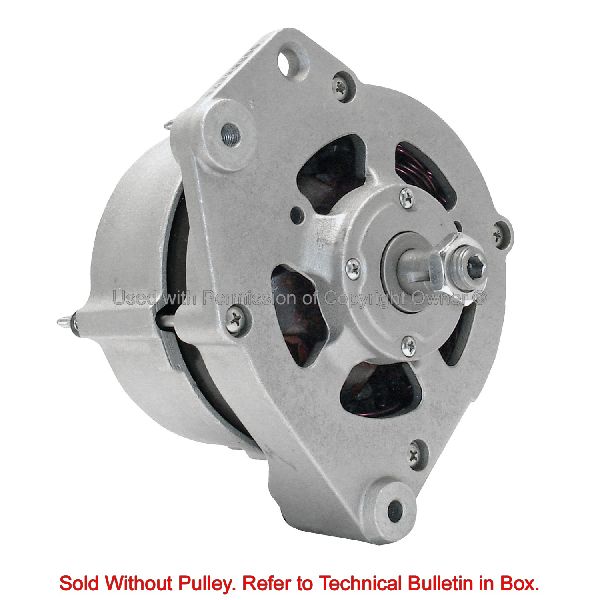
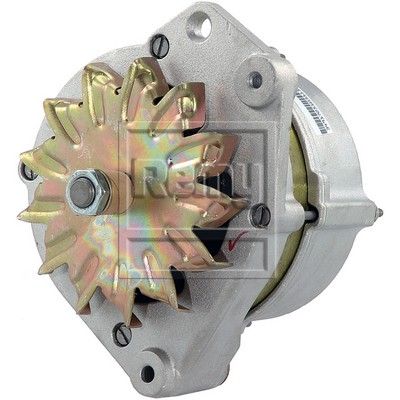
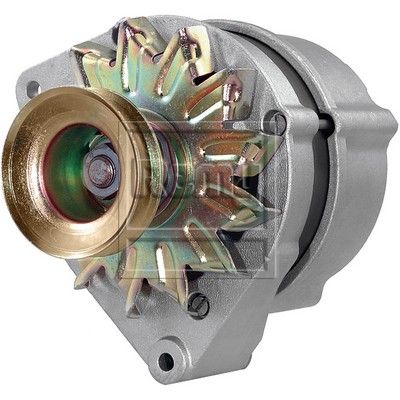
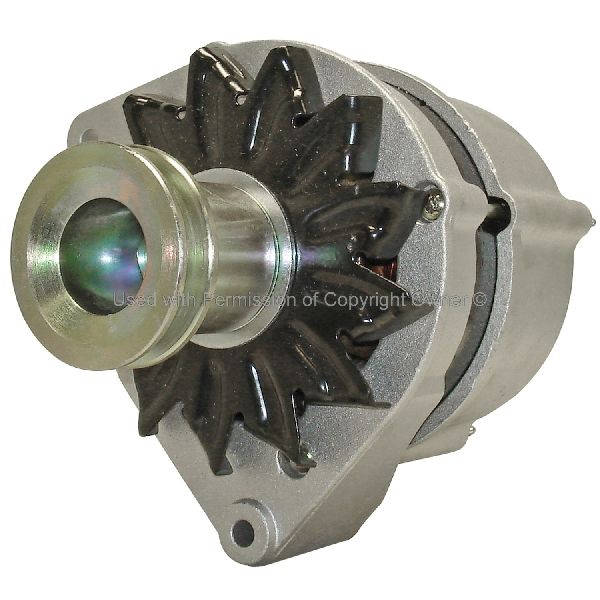
- Remy, BBB Industries, MPA: These are common aftermarket brands. Remy was once a major OEM supplier (Delco-Remy), but quality on their aftermarket parts can be inconsistent. One owner reported a new Remy alternator failing after just one year due to a bad bearing. While these brands offer a lower price, they can be a gamble compared to a remanufactured Bosch unit.
A Note on Recalls and Service Bulletins
Searches for official recalls or Technical Service Bulletins (TSBs) from the NHTSA for the 1981-1987 Audi Coupe's alternator did not yield any results. Any safety recalls for a vehicle of this age are likely expired. Troubleshooting will rely on standard diagnostic procedures 🎬 Learn how to test your alternator with this DIY guide rather than specific factory bulletins.
Cost of Replacing an Audi Coupe Alternator
The total cost will depend on the price of the part and local labor rates. Below are typical price ranges you can expect.
| Part Type | Estimated Cost |
|---|---|
| New Aftermarket | $143 - $255 |
| Remanufactured (Bosch) | $135 - $185 (+ Core Charge) |
| Shop Labor | $150 - $300 |
Frequently Asked Questions
Can I drive my Audi Coupe with a bad alternator?
No. A failing alternator means your car is running only on battery power, which will last for a very short time—often less than 30 minutes. You risk the car shutting down completely while driving, which is unsafe. It's best to get it repaired immediately.
What is a "core charge"?
Remanufactured parts, like alternators, require you to return your old, failed part (the "core"). You pay a deposit, called a core charge, when you buy the part. This deposit is refunded to you when you return the old alternator. This allows the manufacturer to rebuild it for the next customer.
Is it difficult to replace the alternator myself?
For a moderately skilled DIY mechanic, replacing the alternator on an '80s Audi Coupe is very feasible. The component is usually accessible in the engine bay. The process involves disconnecting the battery, loosening the drive belt, unbolting the alternator, and swapping the electrical connections. It typically takes 1-2 hours.
Why are my lights still dim after replacing the alternator?
If a new alternator doesn't fix the issue, you may have other problems in the charging system. Check for corroded battery cables, a bad ground wire from the engine to the chassis, or a faulty voltage regulator (which is sometimes external on older cars, but often internal to the alternator on these models). One owner on a forum had to run a new, heavier gauge wire from the alternator to the battery to solve a charging issue.
Helpful Videos

Technical Specifications
OEM Part Numbers: AL33X
The most common specification for the 1981-1987 Audi Coupe is a 90-amp alternator, especially for models equipped with air conditioning. 65-amp versions also exist but may not be sufficient for all vehicles. Rotation is typically clockwise.
We Have This Part in Stock

The information in this article is provided for general reference and educational purposes only. Vehicle specifications, procedures, and part compatibility can vary by production date, trim level, and region. Always consult your vehicle's factory service manual and verify part numbers before purchasing or performing repairs. Safety-critical components such as airbags, seat belts, and braking systems should be installed by a qualified professional.
- Audi Coupe:
- 🎬 Helpful Videos
- 🛍️ Shop This Part
- Is Your Audi Coupe's Alternator Failing?
- Common Symptoms of a Bad Alternator
- Pro Tip: Check the Basics First
- Choosing the Right Aftermarket Alternator
- The Importance of Amperage: 65 vs. 90 Amps
- Aftermarket Brand Quality
- A Note on Recalls and Service Bulletins
- Cost of Replacing an Audi Coupe Alternator
- Frequently Asked Questions
- 🎟️ Get 5% Off