

Disc Brake Rotor Guide for 1981-1987 Audi Coupe
Everything you need to know before replacing the disc brake rotors on your classic Audi Coupe.
- Always replace rotors in pairs (both fronts) and install new brake pads at the same time for safety and performance.
- Vibrations when braking often mean your rotors are warped and need replacement.
- For this classic Audi, high-quality aftermarket brands like ATE, Brembo, or Pagid are excellent choices and often superior to what was originally available.
- Verify your exact model's brake setup; most have front discs and rear drums, but the '87 Special Build had four-wheel discs.
Is it Time for New Rotors? Common Symptoms
Brake rotors are a critical safety part. Ignoring warning signs can be dangerous. If you notice any of these issues, it's time to inspect your brake system.
Key Failure Symptoms
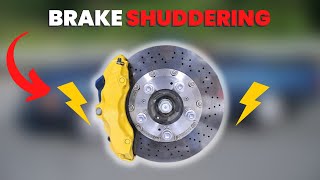
- Vibrations or Pulsing: If you feel a shaking or pulsing in the brake pedal or steering wheel when you brake 🎬 Watch this video to understand why your brakes are shaking., your rotors may be warped. This happens from heat and wear, creating an uneven surface.
- Grinding or Squealing Noises: A loud grinding sound means the brake pads are completely worn out and metal is grinding against the rotor. Squealing can also point to worn pads or glazed rotors.
- Visible Grooves or Damage: Look at your rotors. If you see deep grooves, scoring, or a bluish color, they are damaged and need replacement. The blue color means they have been severely overheated.
- Longer Stopping Distances: If your car takes longer to stop than it used to, your brake system is not working correctly. Worn rotors are a common cause.
Choosing the Right Aftermarket Rotor
For a classic car like the 1981-1987 Audi Coupe, original equipment manufacturer (OEM) rotors may be hard to find or no longer available. Fortunately, modern aftermarket brands often meet or exceed the original quality. Aftermarket rotors are a reliable and cost-effective choice.
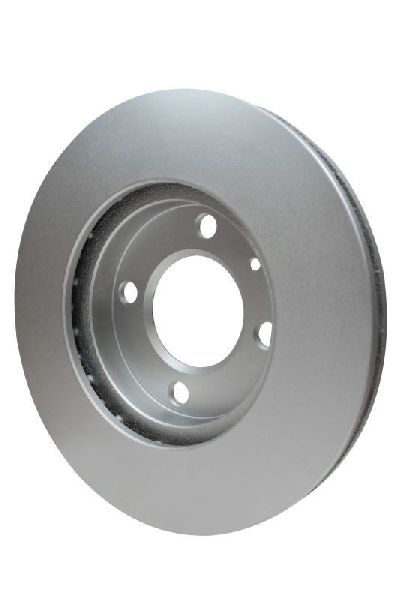
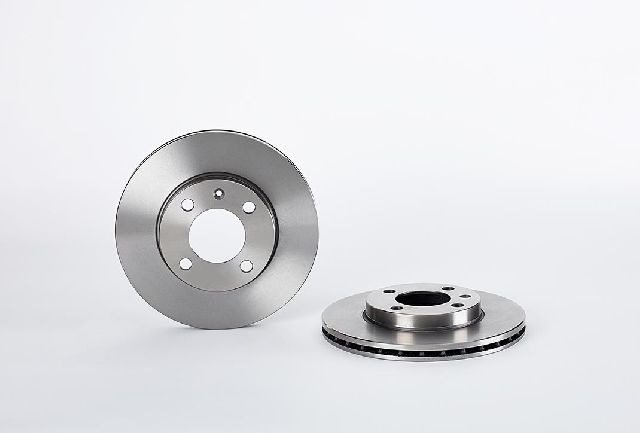
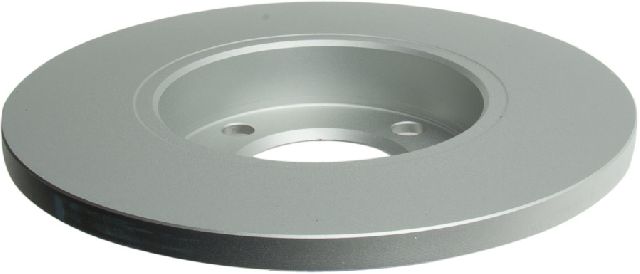
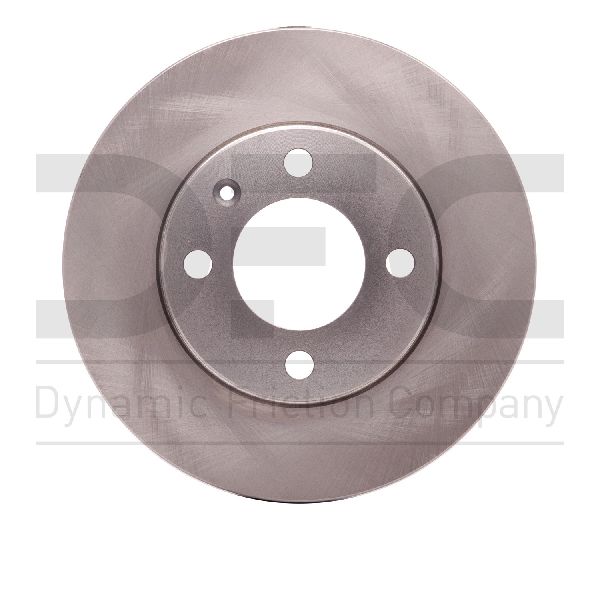
Your Coupe likely has solid front rotors, though some models or years might have vented options. It's critical to check your vehicle's specific requirements before buying. The 1987 "Special Build" model, for example, had larger 10.1-inch front rotors and rear disc brakes.
Brand Quality Tiers
Here’s a breakdown of the available brands, based on general reputation and owner feedback on Audi forums.
- Premium Brands (OEM Quality or Better): ATE and Brembo are top-tier choices. ATE is often an original equipment supplier for German vehicles, and their coated rotors offer excellent corrosion resistance. Brembo is famous for performance, and their standard replacement rotors are a high-quality option. Pagid is another well-regarded European brand. 🎬 Check out this guide to the best brake rotor brands.
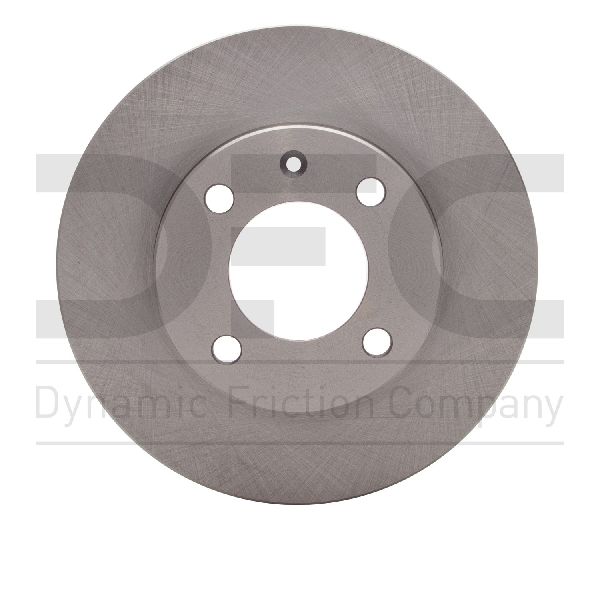
- Quality Aftermarket Brands: Centric, Raybestos, and Dynamic Friction offer a great balance of quality and price. They are solid choices for a daily driver and meet all safety standards. Many owners are happy with these brands for normal use.
- Performance-Focused Brands: EBC Brakes offers options like slotted rotors which can help with heat dissipation, though this is usually unnecessary for street driving.
- Economy Brands: Pronto rotors are a budget-friendly option that meets basic requirements. They are suitable for drivers looking for the lowest cost solution, but may not have the same longevity or corrosion resistance as premium brands.
How Much Do New Aftermarket Rotors Cost?
The cost for new aftermarket disc brake rotors for a 1981-1987 Audi Coupe varies by brand and quality. Below is a general price comparison.
| Part Type | Typical Cost Range |
|---|---|
| New Aftermarket Rotors | $24.07 - $106.27 (per rotor) |
| Shop Labor for Replacement | $150 - $250 (per axle) |
Frequently Asked Questions
Can I replace just one rotor?
No, you should always replace brake rotors in pairs on the same axle (both front wheels or both rear wheels). This ensures balanced braking and prevents the car from pulling to one side when you stop.
Do I need special tools to replace my rotors?
You will need a good socket set, a jack and jack stands, a torque wrench, and possibly a brake caliper tool to push the piston back. For rotors that are stuck, you may also need penetrating oil and a hammer. It's a manageable DIY job for someone with some mechanical experience.
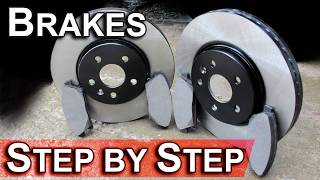
🎬 Follow this step-by-step guide to changing your own rotors.What are coated rotors?
Coated rotors have a special protective layer (often zinc or a similar material) applied to the non-braking surfaces. This coating helps prevent rust and corrosion, especially on the hub and edges of the rotor, keeping them looking better for longer. Brands like ATE and Brembo offer coated options.
Were there any recalls for the brakes on this car?
Searches on the National Highway Traffic Safety Administration (NHTSA) database did not show any open or recent recalls specifically for the disc brake rotors on the 1981-1987 Audi Coupe. Any recalls from that era would be long expired. Modern TSBs (Technical Service Bulletins) for brake noise or vibration exist for newer Audis but are not specific to this classic model.
Helpful Videos
Technical Specifications
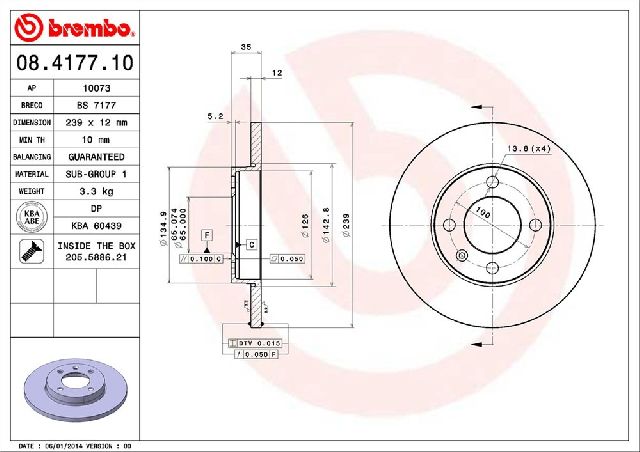
Varies by model year and trim. Common front rotor diameters are 239mm (solid or vented) or 245mm (solid). Most models use a 4-bolt pattern. It is critical to verify the exact specifications for your specific vehicle before purchasing.
We Have This Part in Stock

The information in this article is provided for general reference and educational purposes only. Vehicle specifications, procedures, and part compatibility can vary by production date, trim level, and region. Always consult your vehicle's factory service manual and verify part numbers before purchasing or performing repairs. Safety-critical components such as airbags, seat belts, and braking systems should be installed by a qualified professional.
- Audi Coupe: