

Chevrolet C20 Engine Coolant Temperature Sensor & Sender Guide (1981-1987)
Solve gauge problems and poor running by choosing the right temperature sensor for your square body truck.
- Your C20 may have two sensors: one for the gauge (driver's side head) and one for the computer (intake manifold).
- A bad gauge sender affects the dashboard gauge; a bad computer sensor affects engine performance.
- Verify the thread size of your old sensor before ordering a replacement to avoid fitment issues.
- Replacement is simple, requires basic tools, and can be done in under 30 minutes.
Understanding the Coolant Temperature Sensor in Your C20
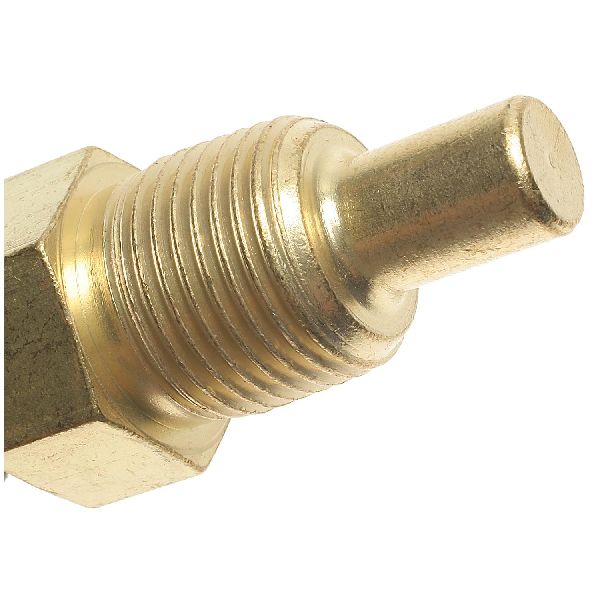
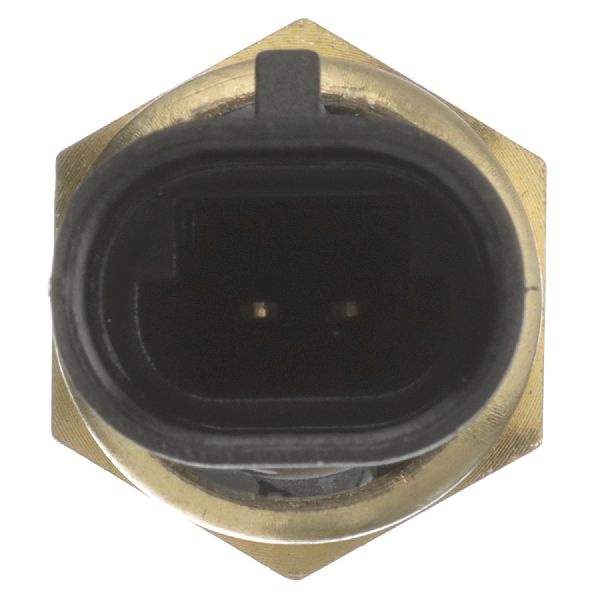
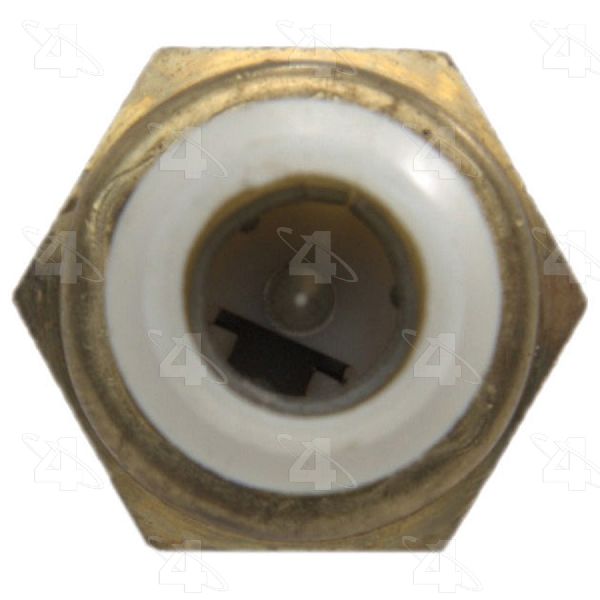
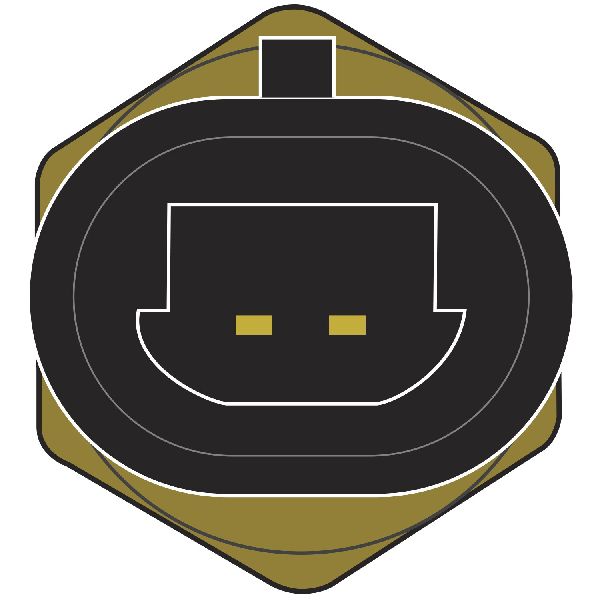
The Engine Coolant Temperature (ECT) sensor is a small but vital part of your truck's engine management system. Its job is to measure the temperature of the engine coolant. Depending on your truck's specific year and engine, this information is used for two different things: telling you the temperature on the dashboard gauge, and telling the engine computer how to adjust fuel and timing. Because these trucks were built during a transition period for engine technology, it's common to have two separate units: a sender for the gauge and a sensor for the computer.
Symptoms of a Failing Temperature Sensor
When a coolant temperature sensor or sender fails, the symptoms will depend on which unit has gone bad.
- Bad Gauge Sender: The most common sign is a problem with your dashboard temperature gauge. It might stay on cold, jump straight to hot, or fluctuate randomly.
- Bad ECU Sensor: If the sensor that talks to the engine computer fails, you'll notice performance issues. These include bad fuel mileage, a rough idle, black smoke from the exhaust, and difficulty starting the engine. On models equipped with a diagnostic system, this can trigger a Check Engine Light (Code 15 on OBD-I systems).
Critical Failure Warning
An engine that overheats can suffer catastrophic damage. If your gauge stops working, you lose the ability to monitor engine temperature. A faulty ECU sensor can also cause the engine to run improperly, which could lead to overheating if the computer doesn't receive the correct data to manage the engine under load.
Choosing the Right Aftermarket ECT Sensor
For a straightforward part like this on a classic truck, aftermarket options offer excellent value. The most important factor is ensuring the part has the correct thread size and, for the gauge sender, the correct electrical resistance range to work with your factory gauge. Brands are generally grouped into tiers based on reputation for quality and reliability.
Tier 1: OEM & Premium Aftermarket
These brands are known for meeting or exceeding original equipment specifications. They are a top choice for reliability and accurate readings.
- ACDelco: As the original GM parts supplier, ACDelco is the closest you can get to the factory part. It's a trusted choice for fit and function, though some users have noted that modern manufacturing can still have occasional quality issues.
- Delphi: A major OEM supplier, Delphi parts are engineered to high standards and are considered a reliable, top-tier alternative to ACDelco.
- NGK/NTK: While famous for spark plugs, NTK (the sensor division of NGK) is a highly respected manufacturer of engine management sensors with a reputation for quality.
Tier 2: Trusted Aftermarket Brands
These brands offer a great balance of quality and price, and are a popular choice for repairs.
- Standard Ignition (SMP): A long-standing aftermarket leader, Standard produces reliable sensors that are rigorously tested.
- Hella: A German company with a strong reputation for quality electronic and lighting components.
- Beck Arnley: Focuses on providing parts that match the original form, fit, and function, often sourcing from OEM suppliers.
Tier 3: Value Options
These brands provide a functional replacement at a budget-friendly price point, suitable for keeping an older truck on the road.
- Four Seasons
- Global Parts
- Holstein
- Motorad
- True Tech
OEM vs. Aftermarket Quality
For this generation of C20, a quality aftermarket sensor from a reputable brand like Standard Ignition or Delphi is often just as good as the OEM ACDelco part. The technology is simple, and the key is proper fitment and correct electrical specs. Don't be afraid to choose a trusted aftermarket brand, but be wary of the cheapest options, which may not be as accurate or durable.
Cost of Replacing the Engine Coolant Temperature Sensor
Replacing this sensor is an inexpensive repair, whether you do it yourself or take it to a shop.
| Part/Service | Estimated Cost |
|---|---|
| New Aftermarket Sensor | $12.58 - $37.74 |
| New OEM (ACDelco) Sensor | $20 - $50 |
| Shop Labor | $50 - $100 |
| Total Estimated Cost (At a Shop) | $65 - $150 |
Frequently Asked Questions (FAQ)
Where is the coolant temperature sensor located on a 1981-1987 C20?
There are two common locations. The sender for the temperature gauge is almost always on the driver's side cylinder head, between the #1 and #3 spark plugs. If your truck has a second sensor for the computer, it is typically screwed into the front of the intake manifold, near the thermostat housing.
Is this a difficult part to replace myself?
No, this is a very easy DIY job. It requires basic tools, like a deep socket and ratchet (often 3/4"). The process involves letting the engine cool, unplugging the electrical connector, and unscrewing the old sensor. Be prepared for a small amount of coolant to spill out.
What are common mistakes when ordering this part?
The biggest mistakes are ordering the wrong sensor for your needs (gauge vs. computer) and getting the wrong thread size. Engines may have been swapped over the years, and cylinder heads or intakes could have different thread ports (e.g., 3/8" NPT vs 1/2" NPT). It is best to remove the old sensor to verify its thread size before ordering a new one.
Do I need to drain the coolant to replace the sensor?
You don't have to drain the entire system. However, the sensor is below the coolant level in the engine, so some coolant will leak out when you remove it. You can minimize the loss by having the new sensor ready to screw in immediately after the old one comes out. Always top off the coolant after the job is done.
Technical Specifications
Location (Gauge): Driver's side cylinder head, between #1 and #3 cylinders. Location (ECU): Front of intake manifold, near thermostat housing. Common Thread Sizes: 3/8"-18 NPT, 1/2" NPT. Gauge Sender Wire Color: Dark Green.
We Have This Part in Stock


The information in this article is provided for general reference and educational purposes only. Vehicle specifications, procedures, and part compatibility can vary by production date, trim level, and region. Always consult your vehicle's factory service manual and verify part numbers before purchasing or performing repairs. Safety-critical components such as airbags, seat belts, and braking systems should be installed by a qualified professional.
- Chevrolet C20:
- 🛍️ Shop This Part
- Understanding the Coolant Temperature Sensor in Your C20
- Symptoms of a Failing Temperature Sensor
- Critical Failure Warning
- Choosing the Right Aftermarket ECT Sensor
- Tier 1: OEM & Premium Aftermarket
- Tier 2: Trusted Aftermarket Brands
- Tier 3: Value Options
- OEM vs. Aftermarket Quality
- Cost of Replacing the Engine Coolant Temperature Sensor
- Frequently Asked Questions (FAQ)
- 🎟️ Get 5% Off