

A Guide to Replacing the Alternator on Your 1981-1987 Chevrolet Camaro
Keep your third-gen Camaro's charging system running strong by choosing the right new aftermarket alternator.
- Verify your car's belt type (V-belt vs. serpentine) and the 'clock position' of the electrical plug before ordering.
- For modified cars with extra electronics, a high-output alternator from a brand like Powermaster is a wise upgrade to handle the increased electrical load.
- Replacing the alternator is a straightforward, one-hour job for most DIY mechanics with basic tools.
- Symptoms like dimming lights, a whining noise that changes with engine speed, and a recurring dead battery all point to a failing alternator.
Signs of a Failing Alternator in Your Camaro
When the alternator in your third-gen Camaro starts to fail, it gives clear warning signs. Because these cars have simpler electrical systems, the symptoms are usually obvious and directly related to power loss.
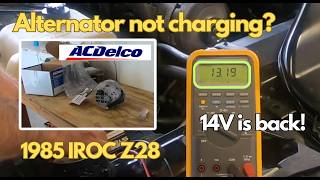
- Dimming or Flickering Lights: One of the most common symptoms is headlights and dash lights that flicker or dim, especially at idle, and then brighten as you rev the engine. This indicates the alternator isn't producing consistent voltage. 🎬 Watch this diagnostic guide to troubleshoot charging system mysteries.
- Whining or Grinding Noises: A high-pitched whine that changes with engine RPM is a classic sign of bad alternator bearings. You might also hear squealing if the V-belt is loose and slipping on the pulley.
- Weak or Dead Battery: If you have to jump-start your Camaro frequently, the alternator is likely the culprit. A bad alternator can't recharge the battery, so the car runs on battery power alone until it's drained, leaving you stranded.
- "CHOKE" or Battery Light: On some 1980s GM models, the "CHOKE" light on the dashboard can illuminate to indicate a charging system problem, as it is wired into the same circuit. A dedicated battery warning light also serves the same purpose.
Choosing the Right Aftermarket Alternator
For a classic vehicle like the 1981-1987 Camaro, new aftermarket parts are the most common and reliable choice. Original OEM parts are largely unavailable new. Aftermarket brands offer a range of options from standard replacements to high-performance upgrades.
Aftermarket Brand Tiers
| Tier | Brands | Best For |
|---|---|---|
| Performance / High-Output | Powermaster, Proform | Owners with significant electrical upgrades like powerful audio systems, electric fans, or high-energy ignition systems. These often provide more amps at idle and at higher RPMs. |
| Premium Aftermarket | ACDelco, Bosch, Remy | A reliable, high-quality replacement for a daily driver or stock restoration. These brands are well-respected for their durability and often meet or exceed original specifications. |
| Standard Replacement | WAI Global, BBB Industries, MPA | Budget-conscious repairs for stock vehicles. These alternators provide a functional, affordable solution to get your car back on the road. |
Pro Tip: Check Your Amperage Needs
Stock alternators for this generation typically ranged from 63 to 94 amps. If you have added electrical accessories like a large stereo, electric cooling fans, or a high-powered ignition, you should consider a high-output alternator (140 amps or more) to handle the extra load. Upgrading to a higher amperage alternator often requires upgrading the main power wire (the "Big 3" wiring upgrade) to safely handle the increased current.
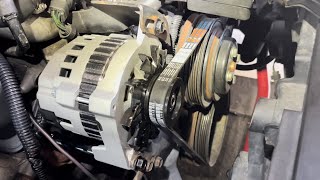
🎬 Watch a high-output alternator and serpentine belt conversion project.Known Issues, Recalls, and TSBs
For the 1981-1987 Chevrolet Camaro, there are no significant open recalls or widespread Technical Service Bulletins (TSBs) from the NHTSA related to the alternator. Failures that occur now are almost always due to the age and wear of the original components, such as the bearings, brushes, and internal voltage regulator.
Frequently Asked Questions (FAQ)
Can I replace the alternator on my Camaro myself?
Yes, this is a very DIY-friendly job. The alternator is typically located on the top of the engine and is easily accessible. The process involves disconnecting the battery, loosening the belt, removing a few bolts and electrical connectors, and then swapping the part. Most home mechanics can complete the job in about an hour.
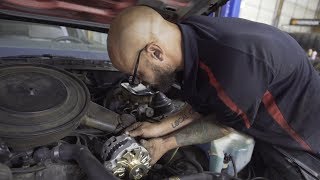
🎬 See this step-by-step walkthrough for replacing the alternator and belt.What's the difference between a V-belt and a serpentine belt?
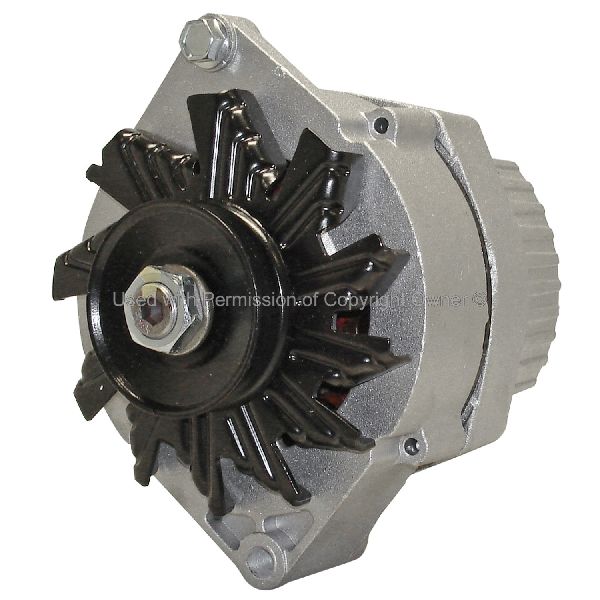
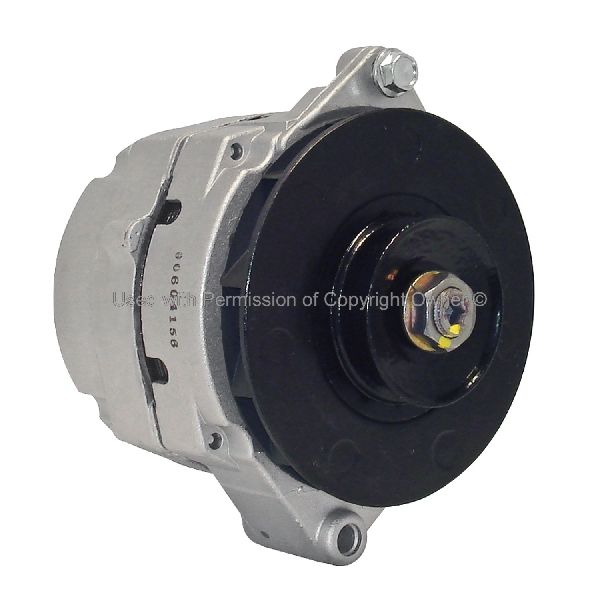
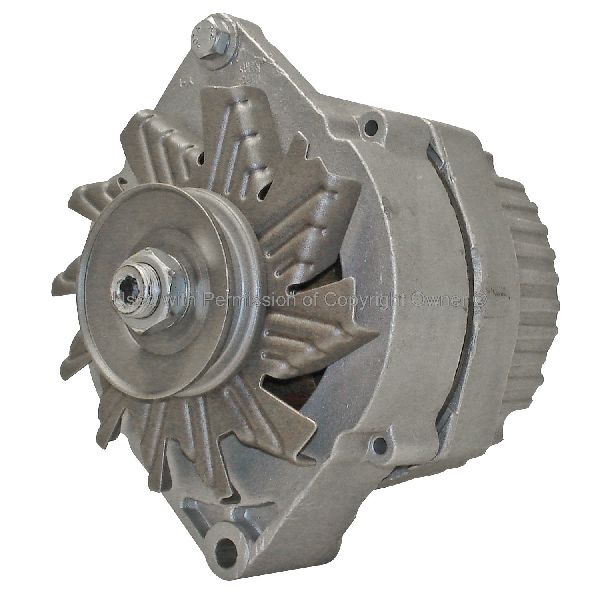
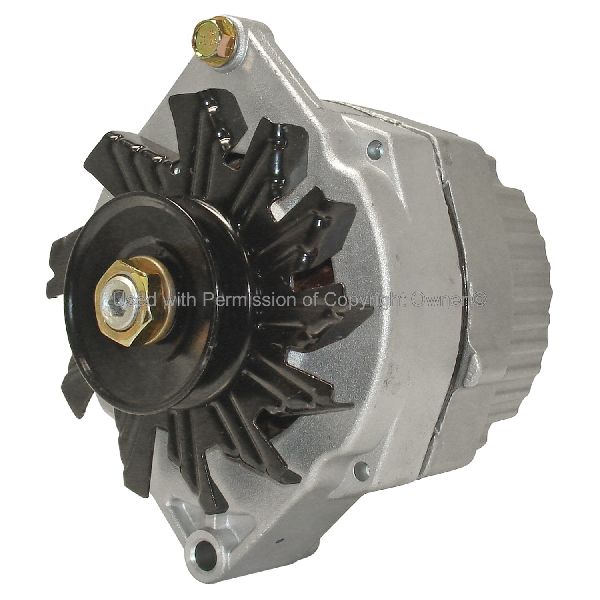
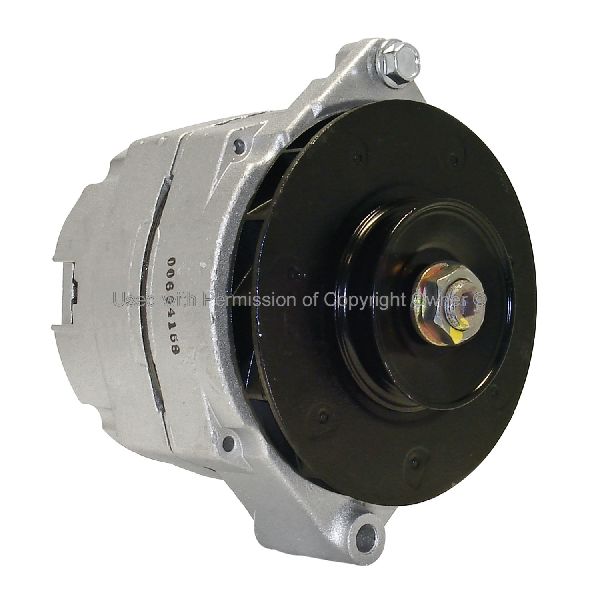
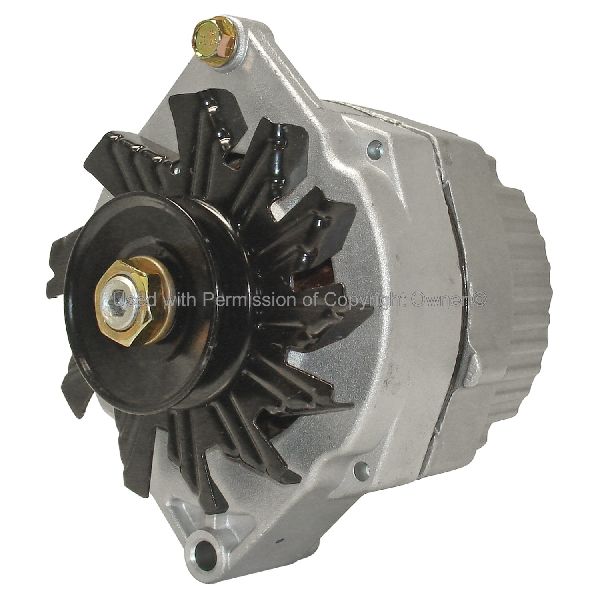
Early third-gen Camaros used multiple V-belts to drive accessories. Later models in this generation began using a single serpentine belt. It's crucial to order an alternator with the correct pulley for your car's belt system. Most alternators for this year range come with a V-belt pulley installed.
What does it mean to "clock" an alternator?
Clocking refers to rotating the rear housing of the alternator so the electrical connections are in the correct position to plug into your car's harness. Some universal or high-output alternators may require clocking for a proper fit. For this generation, a common plug position is at 6 o'clock.
Do I need a high-output alternator?
If your Camaro is mostly stock, a standard 78-amp or 94-amp alternator is sufficient. However, if you have added electric fans, a powerful sound system, or other electronics, you will likely need a high-output model (e.g., 140-amp) to prevent issues like dimming lights and to keep the battery properly charged.
Helpful Videos
Technical Specifications
OEM Part Numbers: 1101088 10463067
Common Factory Amperage: 63A, 78A, 94A. Drive Type: V-Belt (early models) or Serpentine (later models). Common Alternator Series: Delco 10SI, 12SI, CS130. Voltage: 12V.
We Have This Part in Stock

The information in this article is provided for general reference and educational purposes only. Vehicle specifications, procedures, and part compatibility can vary by production date, trim level, and region. Always consult your vehicle's factory service manual and verify part numbers before purchasing or performing repairs. Safety-critical components such as airbags, seat belts, and braking systems should be installed by a qualified professional.
- Chevrolet Camaro: