

Dodge Colt Catalytic Converter Replacement (1981-1987)
Everything you need to know before replacing the catalytic converter on your 1981-1987 Dodge Colt.
- Your 1981-1987 Colt will not give a 'Check Engine' code for a bad converter; you must rely on symptoms like power loss and rattling.
- Fix the root cause of the failure (like engine misfires) before replacing the converter to avoid damaging the new part.
- Choose a 'direct-fit' converter from a brand like Walker or MagnaFlow for the easiest installation.
- Ensure the converter you buy is legal for your state, as most are Federal/EPA compliant and not for sale in California, Colorado, or New York.
Is Your Dodge Colt's Catalytic Converter Failing?
Because the 1981-1987 Dodge Colt was built before modern onboard diagnostics (OBDII), it won't flash a "Check Engine" light with a specific code like P0420 to tell you the converter is bad. You'll have to rely on physical symptoms. If your Colt's converter is clogged or failing, it can feel like the engine is choking.
Key Symptoms to Watch For:
- Serious Loss of Power: The car struggles to accelerate, especially going uphill or when you step on the gas. In severe cases, it might not go over a certain speed.
- Rough Idle or Stalling: A blocked exhaust creates back-pressure that can make the engine run poorly or even stall.
- Rattling Noise: If you hear a rattling or metallic tinkling sound from under the car, it could be the internal honeycomb structure of the converter breaking apart.
- Rotten Egg Smell: A strong sulfur or rotten egg smell from the exhaust means the converter isn't processing gases correctly.
- Failed Emissions Test: This is a clear sign that the converter is no longer doing its job of cleaning the exhaust.
- Worse Fuel Economy: Your engine has to work harder to push exhaust gases through a clog, which burns more fuel.
Why Did It Fail?
Catalytic converters usually fail because of another problem. Engine misfires from bad spark plugs, an incorrect fuel mixture, or internal engine issues can send unburned fuel into the exhaust, overheating and melting the converter's insides. Before you install a new converter, it's critical to fix the root cause, or you'll just ruin the new one.
Choosing an Aftermarket Converter for Your Colt
Finding an original OEM catalytic converter from Dodge for a vehicle this age is nearly impossible. The good news is that several reputable aftermarket brands make converters that will fit your 1981-1987 Colt. Your main choice will be between a direct-fit model and a universal one.
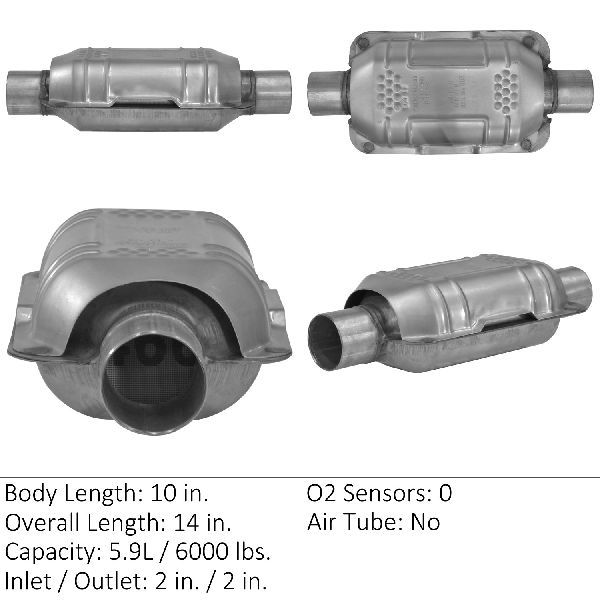
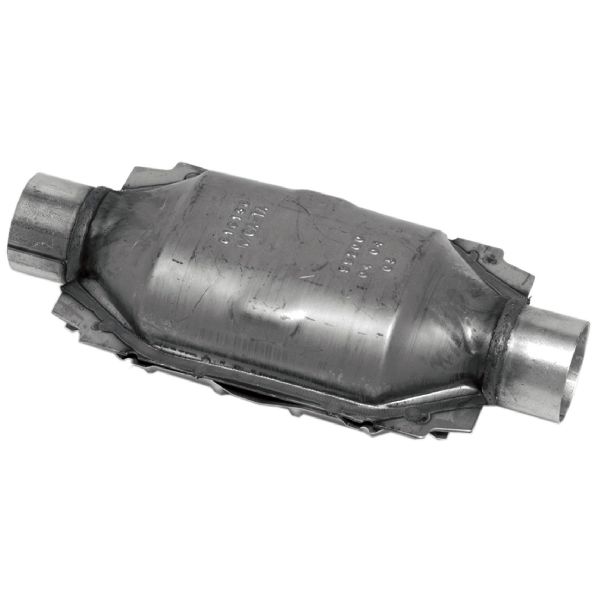
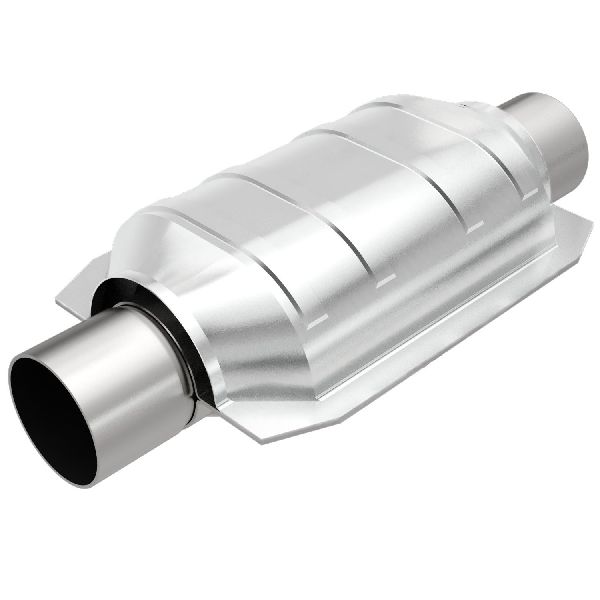
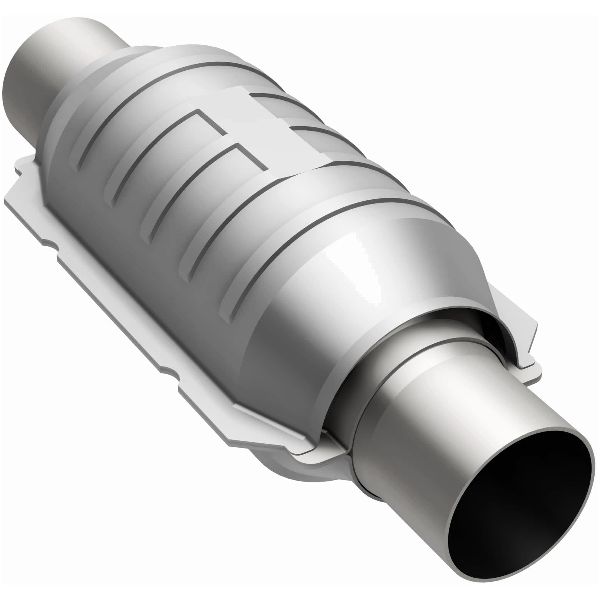
- Direct-Fit: These are designed to bolt right into the factory location with no or minimal modifications. Brands like MagnaFlow and Walker offer direct-fit options that are the best choice for an easier DIY installation.
- Universal: These are less expensive but require cutting and welding the exhaust pipes to fit. This is a job best left to a professional exhaust shop unless you have welding skills and equipment.
Brand Tiers for Aftermarket Converters
For a classic vehicle like the Colt, you don't need to overspend, but you also don't want a part that fails quickly. Here’s a general breakdown of the available brands:
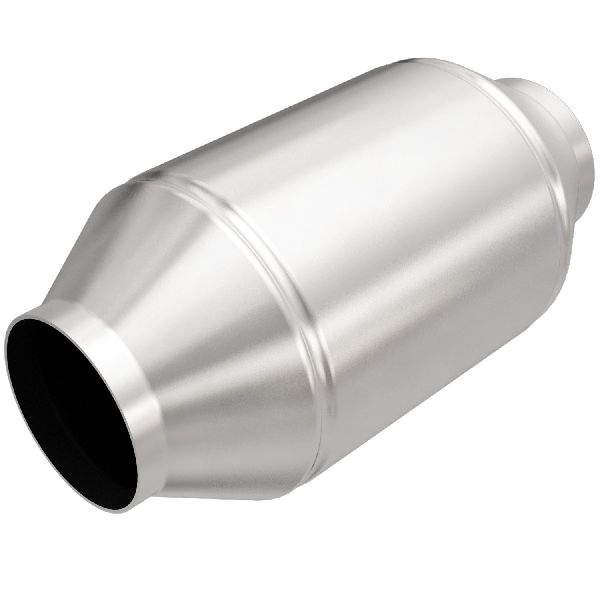
- Premium Quality (MagnaFlow, Walker): These brands are well-regarded for their quality and durability. MagnaFlow is often known for stainless steel construction and performance, while Walker is a trusted name for OEM-style fit and reliability. They are a solid choice if you plan to keep your Colt on the road for a long time.
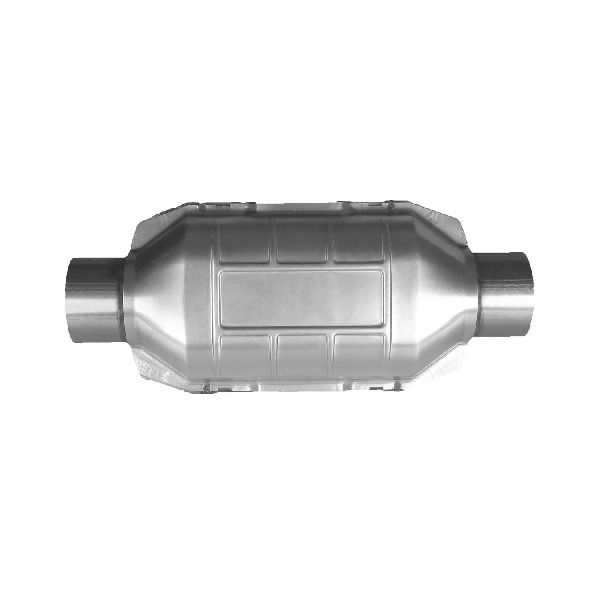
- Standard/Economy (AP Exhaust, Eastern Catalytic): These brands provide a more budget-friendly option. While they meet federal EPA standards, some user reviews suggest they may not have the same longevity as premium brands. For a car that isn't a daily driver, these can be a perfectly acceptable and cost-effective solution.
A Note on Legality
Most aftermarket converters for this vehicle are "Federal" or "EPA" compliant. They are not legal for sale or use in states with stricter emissions laws like California, Colorado, or New York. Always check local regulations and the part's specifications before buying.
| Part/Service | Estimated Cost |
|---|---|
| New Aftermarket Converter (Universal) | $84 - $150 |
| New Aftermarket Converter (Direct-Fit) | $150 - $560 |
| Shop Labor for Installation | $125 - $250 |
| New OEM Converter | Not Available |
Frequently Asked Questions
Is it hard to replace the converter on a Dodge Colt myself?
For a direct-fit model, it can be a straightforward DIY job if you have the right tools and are comfortable working under your car. The main challenge will be dealing with rusted bolts. Soaking them in penetrating oil for a few days beforehand is highly recommended. A universal converter requires welding and should be left to a professional.
Are there any recalls for the 1981-1987 Dodge Colt catalytic converter?
Searches of the National Highway Traffic Safety Administration (NHTSA) database did not show any catalytic converter-specific recalls for the 1981-1987 Dodge Colt. Recalls found were for much newer Dodge models.
Do I need to replace my oxygen (O2) sensor at the same time?
While some 1980s vehicles had early oxygen sensors, not all did, and they were not as integrated as modern systems. If your Colt has one, it's a good idea to inspect it. A faulty sensor can cause the engine to run rich, which can damage the new converter. However, unlike modern cars, there isn't a second sensor after the converter to monitor its efficiency.
What's the difference between a Federal/EPA and a CARB-compliant converter?
CARB (California Air Resources Board) compliant converters are built to a higher standard with more precious metals to meet stricter emissions rules in California and several other states. Federal/EPA converters are for use in all other states. You cannot use a Federal converter in a CARB state.
Technical Specifications
The 1981-1987 Dodge Colt uses a pre-OBDII system, meaning it does not have downstream oxygen sensors to monitor converter efficiency. Replacements are typically single-inlet, single-outlet units. Both direct-fit and universal-fit (requiring welding) options are available.
We Have This Part in Stock

The information in this article is provided for general reference and educational purposes only. Vehicle specifications, procedures, and part compatibility can vary by production date, trim level, and region. Always consult your vehicle's factory service manual and verify part numbers before purchasing or performing repairs. Safety-critical components such as airbags, seat belts, and braking systems should be installed by a qualified professional.
- Dodge Colt: