

A Comprehensive Guide to the Alternator for the 1981-1987 Dodge D350
Keep your classic first-generation Dodge Ram charging strong by understanding its alternator.
- Always check the external voltage regulator and wiring for issues before replacing the alternator, as they are common failure points on these trucks.
- Replacing the alternator is a simple, one-hour job for a DIYer with basic tools.
- For stock trucks, a standard new aftermarket alternator is fine; for trucks with added electronics like plows or lights, a high-output unit is a smart upgrade.
- The quality of remanufactured alternators can be inconsistent; a new unit may offer more reliability.
Is Your D350's Alternator Failing?
The charging system on these classic Dodge trucks is straightforward, and so are the signs of a failing alternator. If you notice these issues, it's time to inspect your charging system.
- Dim or Flickering Lights: Headlights and dash lights may dim at idle and brighten as you press the gas. This is a classic sign the alternator isn't producing enough power at low RPMs.
- Weak or Dead Battery: An alternator's primary job is to charge the battery. If your battery keeps dying even after being jump-started, the alternator is the likely culprit.
- Whining or Grinding Noises: A high-pitched whine or a grinding sound from the front of the engine often points to failing bearings inside the alternator.
- "BATT" or Ammeter Gauge Issues: The factory ammeter gauge on your dashboard may show a discharge or stay at zero while the engine is running, indicating a lack of charging.
Check This First!
On 1980s Dodge trucks, charging problems are frequently caused by bad wiring, a poor ground, or a failed external voltage regulator. Before replacing the alternator, inspect the wiring for corrosion, check that the alternator and regulator are well-grounded, and consider testing the voltage regulator itself. This simple check can save you from replacing a perfectly good alternator.
Choosing the Right Aftermarket Alternator
Since new original equipment (OEM) Mopar alternators for this generation are generally unavailable, the aftermarket is your primary source. You have a few choices to make.
New vs. Remanufactured
Most alternators available are either newly manufactured or remanufactured. New units are built with all-new components. Remanufactured units are rebuilt OEM cores where worn parts are replaced. While remanufactured parts can be a good value, quality can be inconsistent across brands, with some users reporting premature failures. For a critical part like an alternator, a new unit from a reputable brand often provides better peace of mind.
Brand Quality & Tiers
The brands available offer different levels of quality and performance:
- Powermaster: Often considered a premium or specialty brand, Powermaster focuses on high-output and durable alternators. If you run extra electrical accessories like a winch, off-road lights, or a powerful stereo, a high-output Powermaster alternator is a worthwhile upgrade.
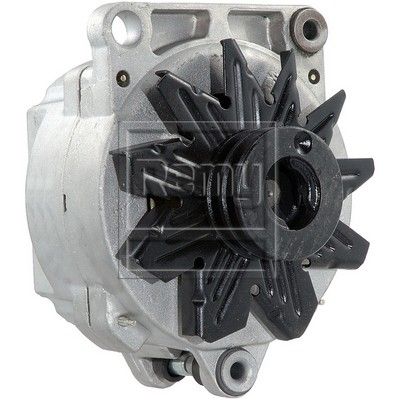
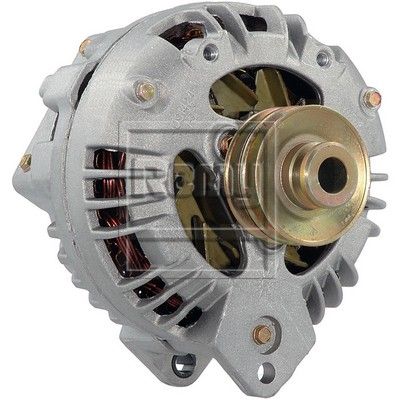
- Remy: A long-standing name in the aftermarket, Remy offers both new and remanufactured alternators. Quality is generally considered decent for daily driver use, though some forum users have reported occasional bearing failures.
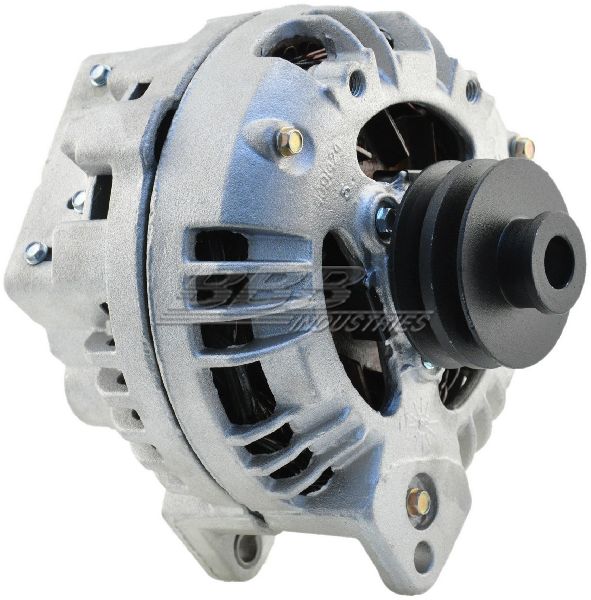
- BBB Industries & MPA: These are major players in the aftermarket and supply many parts store brands. Their products are typically aimed at being affordable, standard replacements. Quality can be a mixed bag, making it important to check warranties and reviews.
Pro Tip: When installing your new alternator, apply a small amount of dielectric grease to the electrical connectors. This helps prevent corrosion and ensures a solid connection for years to come.
Cost of Replacing a Dodge D350 Alternator
| Part Type | Estimated Cost |
|---|---|
| New Aftermarket | $85 - $155 |
| Remanufactured Aftermarket | $75 - $120 |
| High-Output Aftermarket | $160 - $250+ |
| Shop Labor | $100 - $180 |
Frequently Asked Questions
Can I replace the alternator myself?
Yes, absolutely. The alternator on an 81-87 D350 is typically mounted in an easy-to-access location on the front of the engine. The replacement process requires only basic hand tools and can usually be completed in about an hour.
Do I need a high-output alternator?
For a stock truck, the standard output is sufficient. However, if you have added or plan to add heavy electrical loads like a snow plow, a winch, auxiliary lighting, or a large sound system, a high-output alternator is highly recommended to keep up with the demand.
What is an external voltage regulator?
It's a small box, usually on the firewall, that controls the alternator's output voltage. If it fails, the alternator may not charge at all or may overcharge, boiling the battery. It's a common failure point and should be tested if you have charging issues.
How do I tension the new alternator belt?
These trucks use a manual tensioner. After loosely installing the new alternator, you will use a pry bar or a large wrench to carefully lever the alternator away from the engine, putting tension on the belt, before tightening the mounting bolts to hold it in place.
Technical Specifications
OEM Part Numbers: 5227071 4111799 4340710
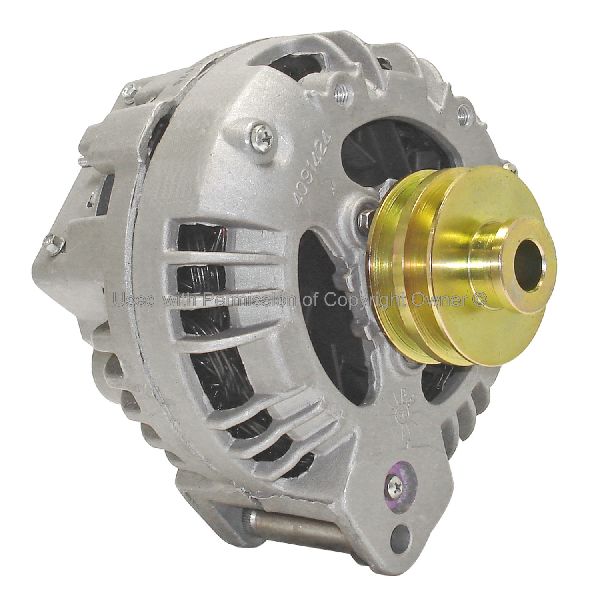
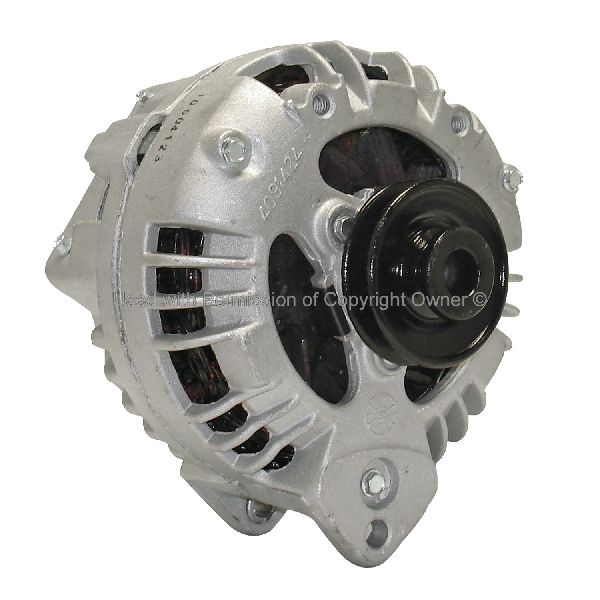
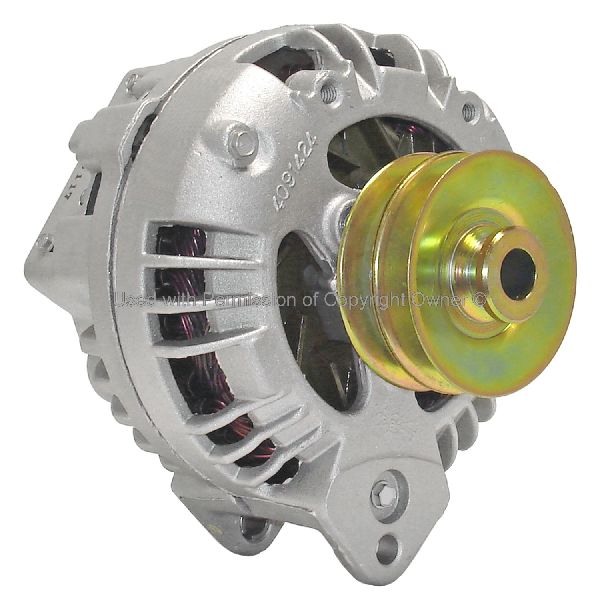
Standard output for these models typically ranges from 60 to 78 amps. The system uses an externally regulated design with a V-belt pulley.
We Have This Part in Stock

The information in this article is provided for general reference and educational purposes only. Vehicle specifications, procedures, and part compatibility can vary by production date, trim level, and region. Always consult your vehicle's factory service manual and verify part numbers before purchasing or performing repairs. Safety-critical components such as airbags, seat belts, and braking systems should be installed by a qualified professional.
- Dodge D350: