

Choosing the Right Aftermarket Carburetor for Your 1981-1987 Ford F-250
Get your Bullnose Ford running right by picking the perfect new carburetor for your engine and needs.
- Common failure symptoms include hard starting, rough idle, black smoke, and poor performance.
- Choose between performance brands like Holley and Edelbrock or a stock-style remanufactured unit from Uremco.
- For most stock V8 engines, a 600-650 CFM carburetor is a better choice than a larger 750 CFM model for drivability.
- Ensure any new or remanufactured carburetor uses modern components that are resistant to ethanol in today's gasoline.
Is Your Carburetor Failing? Common Symptoms
The carburetor is a critical part, and when it starts to fail, your truck will let you know. Because these are older vehicles, problems like clogged passages from old fuel are common. Watch for these signs:
- Hard Starting: The engine is difficult to start, especially when cold, because the air-fuel mixture is wrong. You might have to pump the gas pedal multiple times to get it to fire up.
- Rough Idle and Stalling: The engine sputters, idles erratically, or dies when you come to a stop. This can be caused by clogged idle circuits or vacuum leaks.
- Poor Performance and Hesitation: When you press the gas, the truck might bog down, hesitate, or feel sluggish instead of accelerating smoothly. This is often a sign of a problem with the accelerator pump circuit.
- Black Exhaust Smoke: Seeing black smoke from the tailpipe means the engine is running "rich"—burning too much fuel. This wastes gas and can foul your spark plugs.
- Backfiring or Overheating: Backfiring can happen if the engine runs too "lean" (not enough fuel). A lean condition can also cause the engine to run hotter than normal.
A Note on Ethanol Fuel
Today's gasoline often contains ethanol, which can damage the original rubber and plastic components inside an old carburetor if it hasn't been rebuilt with modern, ethanol-resistant parts. If your truck has been sitting for a long time, the gas can turn to varnish and clog the tiny passages inside the carburetor.
Choosing an Aftermarket Carburetor: Repair or Replace?
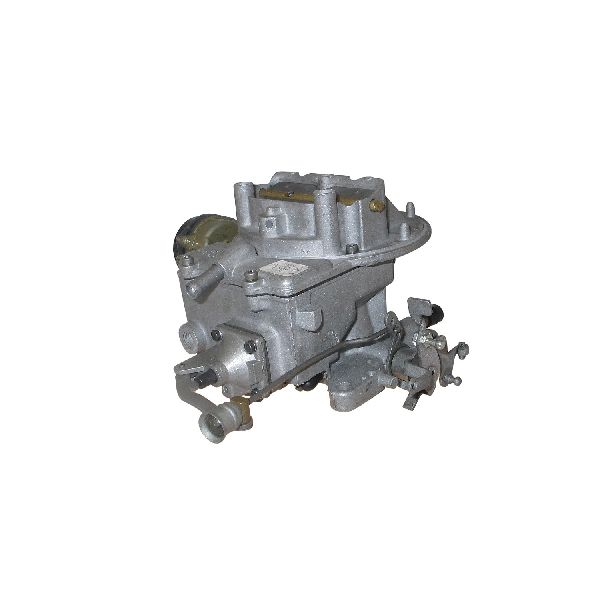
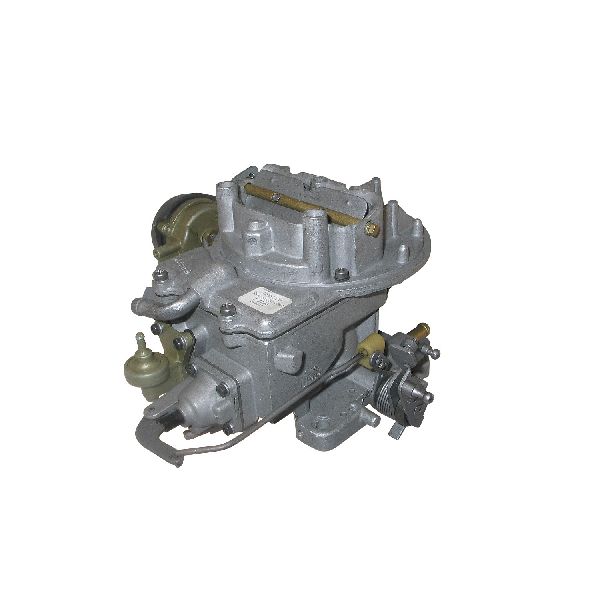
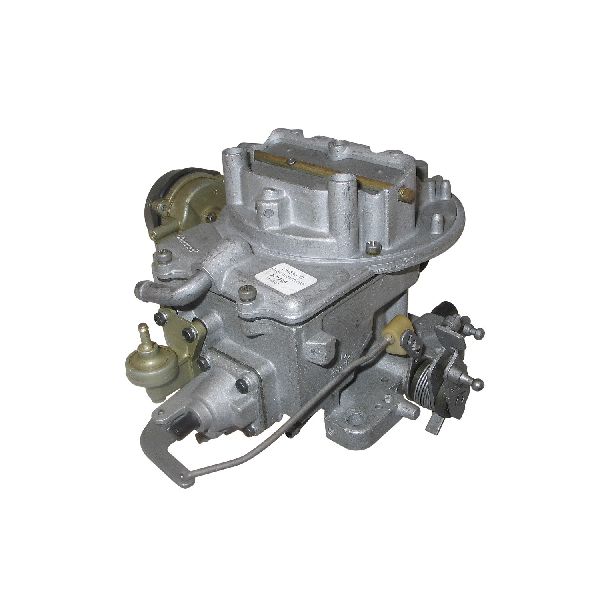
The original Motorcraft carburetors (like the 2150 2-barrel 🎬 Watch: How to fix common power valve leaks on these Motorcraft units.) were considered very good for their time and are quite reliable when maintained. However, after 40+ years, many are worn out, warped, or internally clogged. While a rebuild kit is an option for a skilled mechanic, buying a new aftermarket carburetor is often a faster and more reliable solution that provides modern features and materials.
Brand Tiers and Recommendations
Your choice depends on your goal: do you want a simple, stock-style replacement or a performance upgrade?
Tier 1: Performance Upgrades (Holley & Edelbrock)
- Holley: Often seen as the go-to for maximum power and tuning. If you like to tinker and want to squeeze every bit of performance out of your engine, a Holley is a great choice. They are popular for the 460 V8 engines. However, they can be more complex, with power valves that can be damaged by a backfire and gaskets that can leak over time.
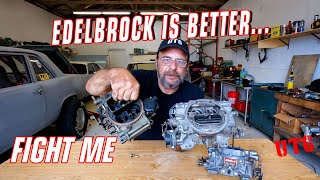
- Edelbrock: Known for being reliable and easy to use right out of the box. Many owners find them easier to tune than Holleys and great for daily drivers. The common saying is, "Race a Holley, Drive an Edelbrock. 🎬 Watch: A comparison of which brand is best for your daily driver." They use metering rods instead of a power valve, which some find simpler.
Tier 2: Stock-Style Replacements (Uremco)
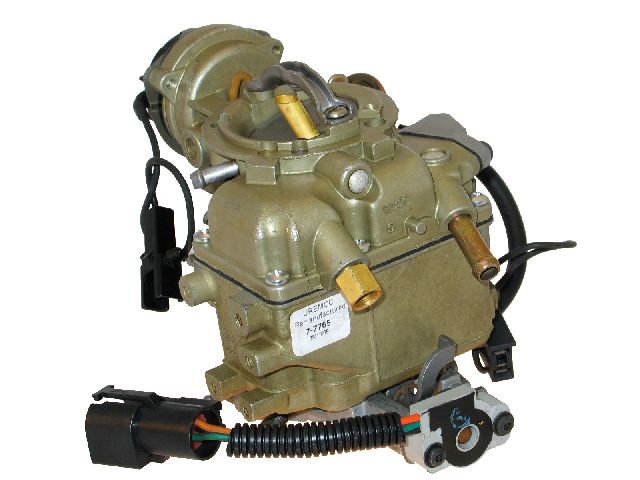
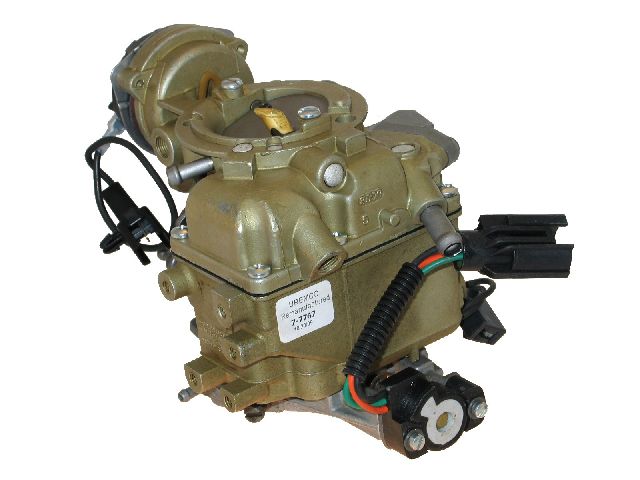
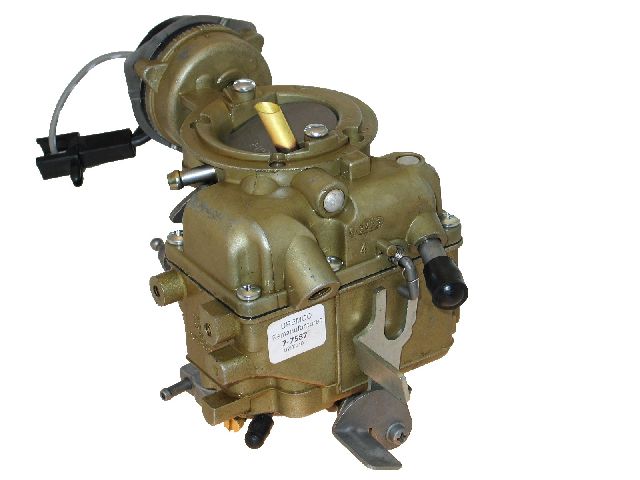
- Uremco: This brand specializes in remanufactured carburetors that are built to original factory specifications. If you want a direct, bolt-on replacement that works like the original without needing to tune for performance, Uremco is a solid choice. They are completely disassembled, cleaned, and rebuilt with new, ethanol-compatible components. However, as with any remanufactured part, quality control can sometimes be inconsistent.
Pro Tip: Match the Carb to Your Engine
Don't just buy the biggest carburetor. A carb that's too large for a stock or mildly modified engine will result in poor throttle response and bad fuel economy. For most stock 351 or 460 engines used for daily driving or towing, a 600-650 CFM (cubic feet per minute) carburetor is plenty. A 750 CFM carb is generally only needed for highly modified engines that operate at high RPMs.
Cost of Replacement
Here is an estimated breakdown of what you can expect to pay for a new carburetor for your F-250. Labor costs can vary based on your location and the complexity of the job.
| Part Type | Estimated Cost |
|---|---|
| New Aftermarket (Holley, Edelbrock) | $315 - $650 |
| Remanufactured (Uremco) | $270 - $450 (plus core charge) |
| Shop Labor | $150 - $300 |
Frequently Asked Questions
Do I need a 2-barrel or 4-barrel carburetor?
This depends on your engine and intake manifold. The 300 inline-six typically uses a 1-barrel carb. V8s like the 351 or 460 could have either a 2-barrel (like the Motorcraft 2150) for standard duty or a 4-barrel for higher performance. You must replace your carb with one that matches your intake manifold's bolt pattern (square bore or spread bore). If you are upgrading from a 2-barrel to a 4-barrel, you will also need a new intake manifold.
What does CFM mean and why is it important?
CFM stands for Cubic Feet per Minute and it measures how much air the carburetor can flow. Choosing the right CFM is crucial. Too little, and you starve the engine of power at high RPM. Too much, and you get poor throttle response and drivability at low RPM. For a stock F-250 V8, a 600 CFM carb is a very common and effective choice.
What is the difference between a manual and an electric choke?
The choke is a plate that closes to create a richer fuel mixture for cold starts. A manual choke is controlled by a cable you pull inside the cab. An electric choke, common on aftermarket carbs like Edelbrock and Holley, automatically opens the plate as the engine warms up. Electric chokes are more convenient for most drivers.
Were there any recalls for the 1981-1987 F-250 carburetor?
Searches of the National Highway Traffic Safety Administration (NHTSA) database and other sources did not find any specific, widespread recalls or technical service bulletins (TSBs) for carburetor failures on the 1981-1987 Ford F-250. Most issues today are due to the age and wear of the original components.
Helpful Videos
![Motorcraft 2100/2150 Carburetor: Power Valve Issues FIXED [NO MORE LEAKS!!]](https://img.youtube.com/vi/waNW-lm5Q6o/mqdefault.jpg)
Technical Specifications
Varies greatly by engine (300 I6, 351 V8, 460 V8, etc.) and application. Common factory carburetors include Motorcraft 2150 (2-barrel) and Holley 4180 (4-barrel). Aftermarket options are typically 2-barrel or 4-barrel with CFM ratings from 500 to 750.
We Have This Part in Stock

The information in this article is provided for general reference and educational purposes only. Vehicle specifications, procedures, and part compatibility can vary by production date, trim level, and region. Always consult your vehicle's factory service manual and verify part numbers before purchasing or performing repairs. Safety-critical components such as airbags, seat belts, and braking systems should be installed by a qualified professional.
- Ford F-250: