

Ford F-350 Automatic Transmission Mount Guide: 1981-1987
Stop the clunking and shaking in your classic F-350 by understanding and replacing your transmission mount.
- A clunking noise when shifting and new vibrations are the most common signs of failure.
- Replacement is a simple DIY job that requires basic tools and supporting the transmission with a jack.
- Aftermarket brands like Anchor, DEA, and Pioneer are affordable but may have lower durability than original parts.
- Before replacing, check for and fix any oil leaks that could damage the new mount.
Is Your Transmission Mount Failing?
On these classic Ford trucks, the transmission mount is a simple but tough part. However, after decades of use, the rubber can crack, get soaked with oil, or separate from the metal plates. When this happens, you'll start to notice some clear signs that it's time for a replacement.
Key Symptoms of a Bad Mount
- Clunking or Banging Noises: The most common symptom is a loud clunk when you shift from Park into Drive or Reverse. You might also hear it during hard acceleration or braking as the transmission shifts and hits the frame.
- Excessive Vibration: A worn-out mount can no longer absorb drivetrain vibrations. You'll feel this as a new or worsening vibration in the floor, seat, or steering wheel, especially when the truck is under load.
- Drivetrain Misalignment: A collapsed mount can cause the transmission to sag. This changes the angle of the driveshaft, which can lead to premature failure of U-joints and carrier bearings, causing even more vibration and noise.
Known Issues & Recalls
There are no active recalls or common Technical Service Bulletins (TSBs) from Ford or the NHTSA for the transmission mount on the 1981-1987 F-350. This is a standard wear-and-tear component, and failure is typically due to age and use.
Choosing the Right Aftermarket Mount
For a vehicle of this age, new OEM (Motorcraft) parts are often unavailable or very expensive New Old Stock (NOS). The market primarily consists of aftermarket brands. Here’s an honest look at what's available.
Standard / Economy Brands (Anchor, DEA, Pioneer Cable)
These brands make up the bulk of the available parts. They are affordable and widely available. Forum discussions among truck owners show mixed experiences. Some users report they work fine for years, especially on older, less-driven trucks. Others have experienced premature failure or cosmetic quality that is lower than the original part. For a stock 1981-1987 F-350, these mounts are generally considered an acceptable value. Given the low cost and ease of replacement, using a standard brand is a common choice.
Pro Tip: Check for Leaks First
Before you install a new mount, check for any oil or transmission fluid leaks dripping onto the crossmember area. Leaking fluid will saturate the new rubber mount and cause it to fail prematurely. Fix any leaks before replacing the mount.
Cost of Replacing Your Transmission Mount
The cost is relatively low, especially if you do the work yourself. The job is straightforward and doesn't require many specialized tools.
| Part Type | Estimated Cost |
|---|---|
| New Aftermarket | $17 - $37 |
| New OEM (NOS, if found) | $75 - $150+ |
| Used OEM | $20 - $50 |
| Shop Labor | $120 - $250 |
Frequently Asked Questions
Is this a difficult job to do at home?
No, this is a great DIY job for a beginner. The process involves safely supporting the transmission with a floor jack and a block of wood, unbolting the old mount, and bolting in the new one. You'll need a basic socket and wrench set. In some cases, you may not even need to remove the main transmission crossmember.
Should I replace the engine mounts at the same time?
It's a good idea to inspect them. A failed transmission mount can put extra stress on the engine mounts, and vice-versa. With the truck on jack stands, you can use a pry bar to check for excessive movement in the engine mounts. If they are cracked or separated, it's wise to replace them all at once.
Are there different mounts for 2WD and 4WD models?
Yes, the mounts can differ. 4WD models have a transfer case attached to the transmission, which can sometimes use a different mount or crossmember setup. Always verify the part fits your specific drivetrain (2WD or 4WD) before ordering. Some older 4x4s used a unique two-piece bushing style mount.
What happens if I don't replace a bad mount?
Ignoring a bad mount will lead to constant noise and vibration. More seriously, the resulting drivetrain misalignment can cause damage to your driveshaft, U-joints, and transmission seals. In a worst-case scenario, severe movement could damage wiring, linkages, or exhaust components.
Technical Specifications
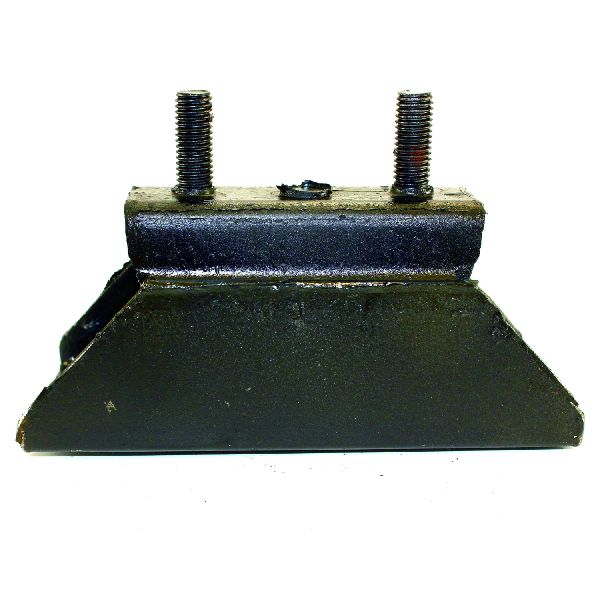
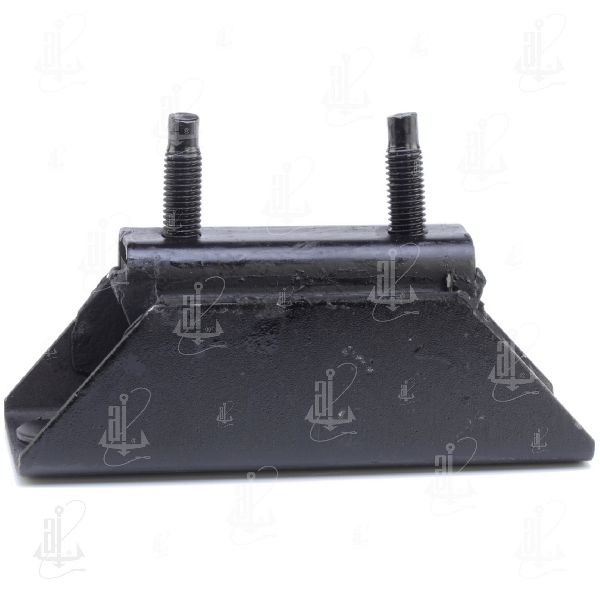
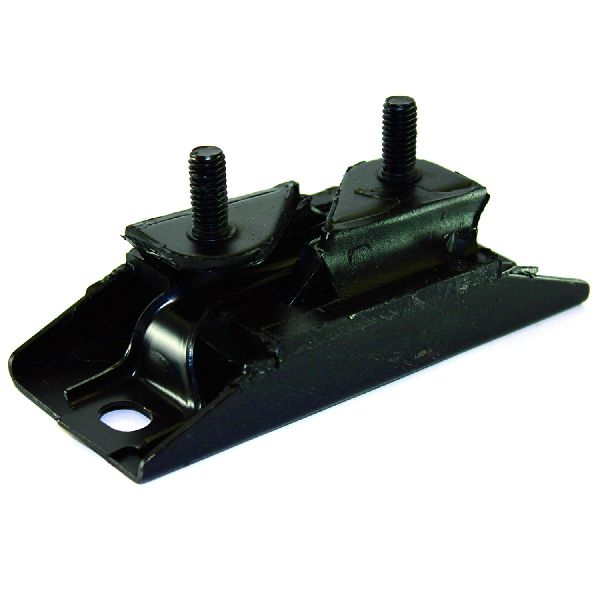
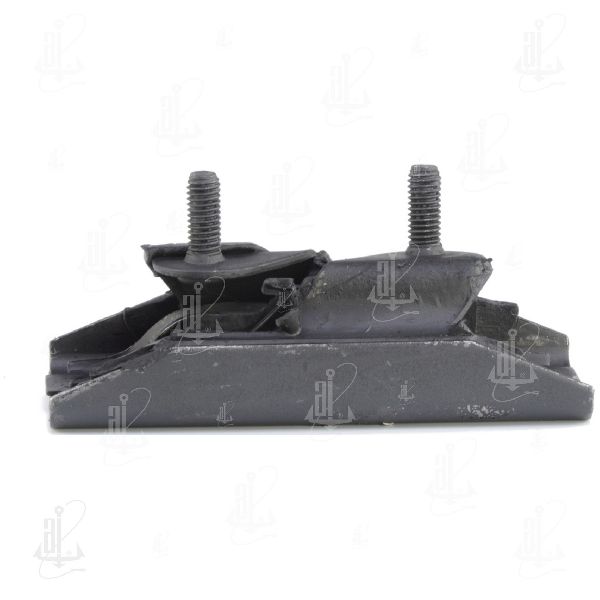
The mount consists of a rubber block bonded between two metal plates. One side bolts to the transmission tail housing, and the other bolts to the frame crossmember. Dimensions and bolt patterns vary between 2WD and 4WD applications.
We Have This Part in Stock


The information in this article is provided for general reference and educational purposes only. Vehicle specifications, procedures, and part compatibility can vary by production date, trim level, and region. Always consult your vehicle's factory service manual and verify part numbers before purchasing or performing repairs. Safety-critical components such as airbags, seat belts, and braking systems should be installed by a qualified professional.
- Ford F-350: