

1981-1987 GMC Jimmy Ignition Control Module Replacement and Diagnosis
Solve stalling and no-start problems by choosing the right ignition module for your classic Jimmy.
- Heat-related stalling is the number one symptom of a failing ignition module in this vehicle.
- Always apply a layer of thermal paste to the metal base of the new module before installation to prevent premature failure.
- A bad module can cause a no-start condition where the engine cranks but will not fire.
- For reliability similar to the original, choose a quality aftermarket brand like Delphi or Standard Ignition.
Is Your GMC Jimmy Stalling When It Gets Hot?
The most common sign of a failing ignition control module in the 1981-1987 GMC Jimmy is engine stalling after it has warmed up. You might be driving without issue, and then the engine suddenly cuts out. After letting it cool down for 20-30 minutes, it might start and run again until it gets hot and the cycle repeats. This happens because heat increases the electrical resistance inside the aging module, causing it to fail. Other common symptoms include a complete no-start condition (engine cranks but won't fire), rough idling, engine misfires, and a general loss of power.
A Note on Recalls
There are no specific recalls for the ignition control module on the 1981-1987 GMC Jimmy. Major GM recalls in the 2010s concerned a faulty ignition switch in much newer cars, which is a completely different part and does not apply to your vehicle.
Choosing the Right Aftermarket Ignition Module
When replacing the ignition module, the brand you choose matters. Original GM Delco modules from the 1980s were very durable, but the quality of modern parts can vary. Here’s a breakdown of available aftermarket brands.
Tier 1: OEM-Quality and Reliability
- Delphi: Often considered an OEM supplier to GM, Delphi modules are a top choice for a reliable, long-lasting replacement that performs like the original part.
- Standard Ignition (SMP): A highly respected aftermarket manufacturer. Their parts are known for quality and are a solid choice for a daily driver or restoration project.
Tier 2: Performance and Budget Brands
- Accel: While positioned as a performance brand, forum discussions from owners show very mixed results. Many users report premature failures and do not recommend them for reliability.
- Proform: This is a budget-friendly option. However, users report that quality can be inconsistent or "sketchy". It may work, but might not have the longevity of a premium brand.
Pro Tip: Don't Forget the Thermal Paste!
The single most important step when replacing your ignition module is to apply the included thermal paste (it looks like a white or clear grease) to the metal bottom of the new module. This paste is not a lubricant; its job is to transfer heat away from the module and into the body of the distributor. Skipping this step will cause the new module to overheat and fail very quickly, sometimes within minutes.
Ignition Module Replacement Cost
Replacing the ignition module is an affordable and common repair. The main cost is the part itself, as labor is straightforward for a mechanic or an experienced DIYer.
| Part/Service | Estimated Cost |
|---|---|
| New Aftermarket Module | $48.75 - $105.88 |
| Shop Labor | $75 - $150 |
| Total Estimated Cost | $123.75 - $255.88 |
Frequently Asked Questions (FAQ)
Where is the ignition control module located on my GMC Jimmy?
The ignition control module is located inside the distributor. You will need to remove the distributor cap and the rotor to see and access it.
How difficult is it to replace the ignition module myself?
For someone with basic mechanic's tools, this is a very feasible DIY job. It typically takes less than an hour. The main challenge can be reaching the distributor, which sits at the back of the engine against the firewall.
Can a bad module cause a no-spark AND no-fuel issue?
Yes. On models equipped with Throttle Body Injection (TBI), the ignition module sends a signal to the main computer (ECM). If the ECM doesn't get this signal, it may not fire the fuel injectors, leading to a condition of both no spark and no fuel.
My new module failed after a week. What happened?
The most likely cause is that not enough (or any) thermal paste was applied between the module and the distributor base. Without the paste to dissipate heat, the module quickly overheats and burns out. It's also possible, though less common, to get a defective part out of the box.
Technical Specifications
OEM Part Numbers: D1906 10487425 19180771
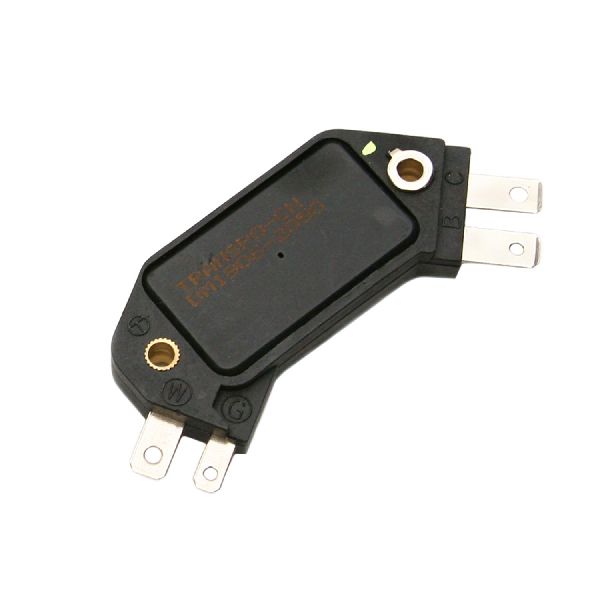
Fits GM HEI (High Energy Ignition) distributors with a 4-pin module.
We Have This Part in Stock


The information in this article is provided for general reference and educational purposes only. Vehicle specifications, procedures, and part compatibility can vary by production date, trim level, and region. Always consult your vehicle's factory service manual and verify part numbers before purchasing or performing repairs. Safety-critical components such as airbags, seat belts, and braking systems should be installed by a qualified professional.
- GMC Jimmy:
- 🛍️ Shop This Part
- Is Your GMC Jimmy Stalling When It Gets Hot?
- A Note on Recalls
- Choosing the Right Aftermarket Ignition Module
- Tier 1: OEM-Quality and Reliability
- Tier 2: Performance and Budget Brands
- Pro Tip: Don't Forget the Thermal Paste!
- Ignition Module Replacement Cost
- Frequently Asked Questions (FAQ)
- 🎟️ Get 5% Off