

Honda Civic Engine Coolant Bypass Hose Guide: 1981-1987
Everything you need to know about finding the right replacement engine coolant bypass hose for your 1981-1987 Honda Civic.
- For a 1981-1987 Civic, hose failure is due to age; there are no specific recalls or widespread defects for this part.
- Choose a quality aftermarket brand like Gates, Dayco, or Continental, as OEM parts are likely unavailable.
- If one coolant hose fails, it is highly recommended to replace all of them, including radiator and heater hoses, at the same time.
- Driving with a known coolant leak is risky; a sudden hose failure can lead to severe engine overheating and costly damage.
Is Your Civic's Bypass Hose Failing?
On a car as seasoned as an 81-87 Civic, rubber parts like coolant hoses are well past their original service life. The constant exposure to heat and pressure causes the rubber to break down. A failure here isn't a matter of if, but when. Ignoring the signs can lead to a sudden coolant loss, engine overheating, and catastrophic engine damage.
Key Failure Symptoms
- Coolant Leaks: You might see puddles of green, blue, or pink fluid under your car. Leaks can also be slow, appearing as crusty residue or stains on or around the hose.
- Sweet Smell: A distinct, sweet odor from the engine bay is a classic sign of leaking coolant. You might smell it long before you see a drip.
- Engine Overheating: If the bypass hose fails completely, you'll lose coolant rapidly, causing the engine temperature gauge to spike. Pull over immediately if this happens.
- Low Coolant Level: Frequently needing to top off your coolant reservoir is a sure sign of a leak somewhere in the system.
- Visible Hose Damage: Inspect the hose. If it looks swollen, bulging, cracked, or feels mushy or rock-hard, it needs to be replaced.
A Note on "Popping" Hoses
Owners of older Hondas have reported hoses suddenly popping off, even if they looked okay. This is often due to old, weakened spring clamps that can no longer hold pressure, or the hose end itself has become hard and no longer seals properly. It's a good practice to replace clamps whenever you replace a hose.
Choosing the Right Aftermarket Hose
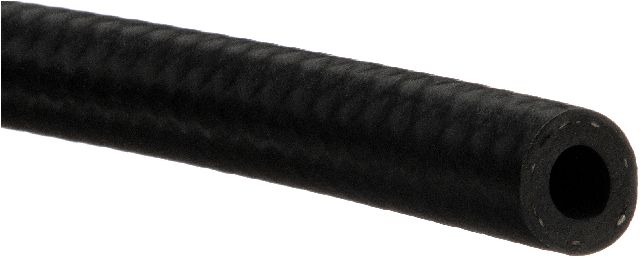
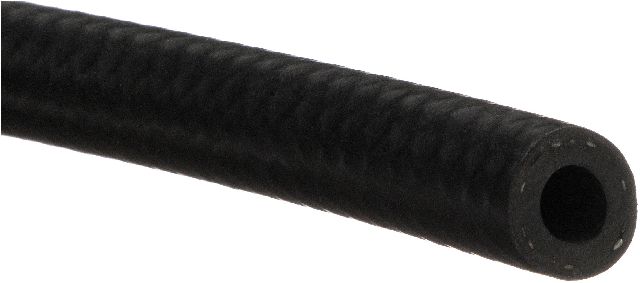
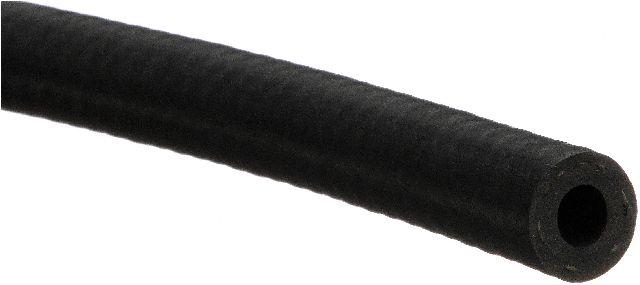
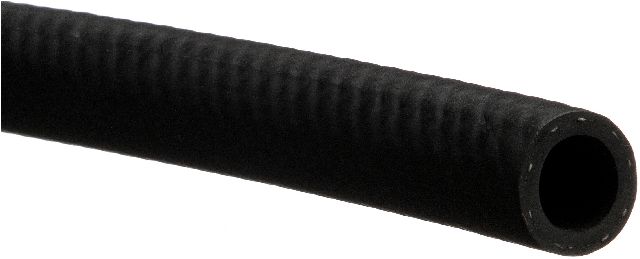
For a 1981-1987 Civic, finding a genuine Honda (OEM) bypass hose is nearly impossible as they are likely discontinued. The good news is that top aftermarket brands produce high-quality replacements made from modern EPDM rubber that meets or exceeds original specifications.
Aftermarket Brand Tiers
- Top Tier (Excellent Quality): Gates is widely regarded as a top-tier aftermarket brand for hoses and belts, with a strong reputation for proper fit and durability. Many professional mechanics trust and use Gates.
- Reliable Alternatives (Good Quality): Dayco and Continental are also excellent choices. They are major OEM suppliers and produce reliable hoses. While some users have occasionally noted minor fitment differences compared to originals, they are considered dependable replacements.
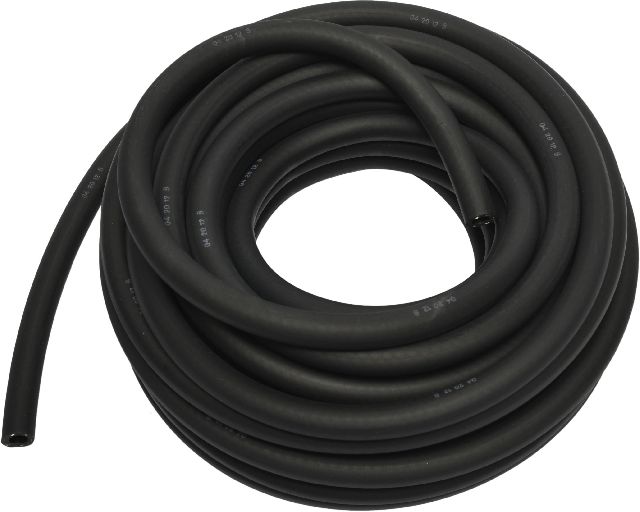
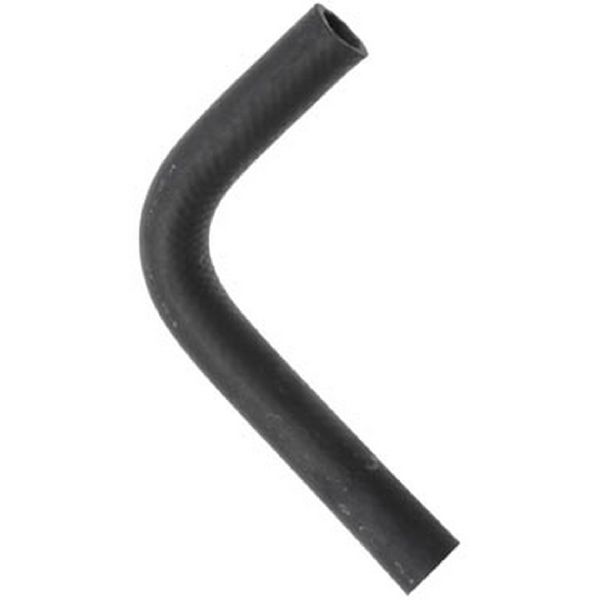
Pro Tip: When you get your new hose, compare it to the old one before installation. Make sure the bends and diameters match up. While most are direct-fit, some aftermarket hoses are "cut-to-length." This is common for older vehicles where one longer hose services multiple applications.
How Much Should a Bypass Hose Cost?
The cost is manageable, especially considering the engine damage it prevents. The biggest variable is whether you do the work yourself or have a shop do it.
| Part/Service | Estimated Cost | Notes |
|---|---|---|
| New Aftermarket Hose | $11.67 - $93.11 | Price depends on the brand and specific hose configuration for your trim. |
| New OEM Hose | N/A | Generally unavailable for this vehicle generation. |
| Shop Labor | $90 - $180 | Typically 1-1.5 hours of labor, including draining and refilling coolant. |
| Total Professional Job | $102 - $273 | Total estimated cost for parts and professional installation. |
Frequently Asked Questions
Can I replace the engine coolant bypass hose myself?
Yes, this is a very DIY-friendly job for most home mechanics. It requires basic hand tools, a drain pan for the coolant, and some patience. The key steps are draining the cooling system, removing the hose clamps, swapping the hose, and properly refilling and bleeding the air out of the system.
Should I replace other coolant hoses at the same time?
Absolutely. If the bypass hose has failed due to age, the upper and lower radiator hoses, as well as all the smaller heater hoses, are made of the same material and are on borrowed time. Replacing them all at once is smart preventative maintenance and saves you from repeated repairs.
What kind of coolant should I use in my 1981-1987 Civic?
For this era of Honda, a conventional "green" ethylene glycol-based coolant is appropriate. Always check the coolant manufacturer's bottle to ensure it is compatible with older, mixed-metal (aluminum and iron) engines. Mixing coolant types can cause gelling and blockages.
Are expensive silicone hoses worth it for my Civic?
For a daily driven or stock 1980s Civic, standard EPDM rubber hoses from a quality brand like Gates or Dayco are more than adequate. Silicone hoses offer higher temperature and pressure resistance, which is beneficial for high-performance racing applications, but they are not necessary for normal use and are significantly more expensive.
Technical Specifications
Material: EPDM Rubber. Temperature Range: Approx. -40°F to +257°F. May be molded or cut-to-fit depending on application.
We Have This Part in Stock

The information in this article is provided for general reference and educational purposes only. Vehicle specifications, procedures, and part compatibility can vary by production date, trim level, and region. Always consult your vehicle's factory service manual and verify part numbers before purchasing or performing repairs. Safety-critical components such as airbags, seat belts, and braking systems should be installed by a qualified professional.
- Honda Civic: