

Accessory Drive Belt Guide for the 1981-1987 Mercury Lynx
Learn how to choose the right replacement V-belts to keep your classic Lynx running reliably.
- Your 1981-1987 Mercury Lynx uses a multiple V-belt system, not a single serpentine belt; you must buy the correct belt for each specific accessory.
- Squealing noises, visible cracks, and accessory failure (dim lights, overheating, stiff steering) are all signs that your belts need immediate attention.
- High-quality aftermarket brands like Gates and Bando are excellent replacements and often exceed the quality of the original 1980s belts.
- Proper manual tensioning is critical; too loose and the belt will slip, too tight and it can damage accessory bearings.
Understanding Your Lynx's V-Belt System
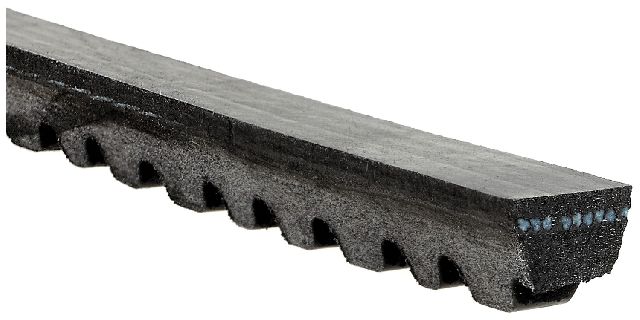
When you open the hood of your 1981-1987 Mercury Lynx, you will see a set of narrow, V-shaped belts, not one wide, flat serpentine belt. Each belt runs in a V-shaped groove on the engine pulleys. This multi-belt system means that if one belt fails, it might only affect one or two components. For example, a broken A/C belt won't stop your alternator from charging. However, it also means you have multiple belts to inspect and maintain.
Symptoms of a Failing Accessory Drive Belt
A worn-out V-belt will usually provide warning signs before it breaks completely. Ignoring these signs can lead to a breakdown if a critical component like the water pump or alternator loses power. Here’s what to look for:
- Squealing Noises: A high-pitched squeal, especially when you start the engine, accelerate, or turn on the air conditioning, is the most common symptom. This sound is caused by the belt slipping on the pulleys.
- Visible Wear and Damage: Inspect the belts regularly. Look for cracks, fraying, missing chunks, or a shiny, glazed appearance on the belt's sides. Any of these signs indicate the belt is old and needs replacement.
- Accessory Malfunctions: If your battery light comes on, your engine temperature suddenly rises, or your power steering becomes stiff, it could be due to a failing or broken belt.
Choosing the Right Aftermarket Belt
Original Equipment Manufacturer (OEM) Motorcraft belts for a vehicle of this age are likely discontinued or very difficult to find. Fortunately, modern aftermarket belts from reputable brands often use superior materials, like EPDM rubber, which lasts longer and resists heat and cracking better than the original neoprene belts from the 1980s.
When choosing a replacement, consider these brands:
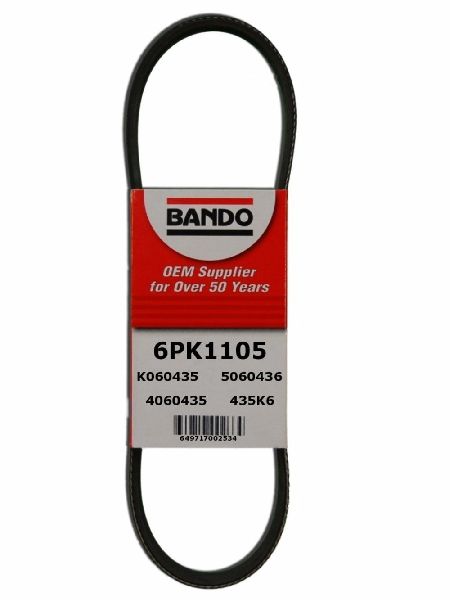
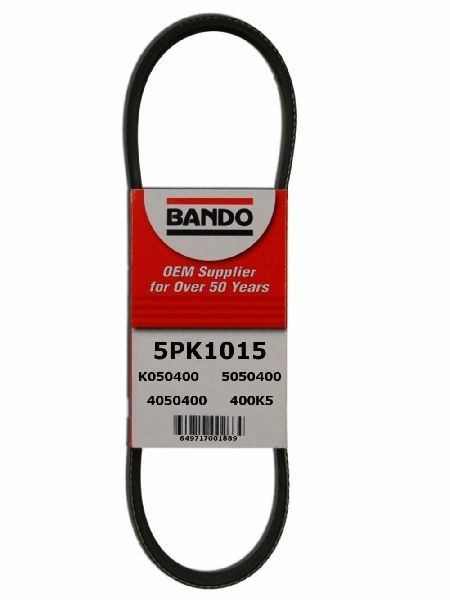
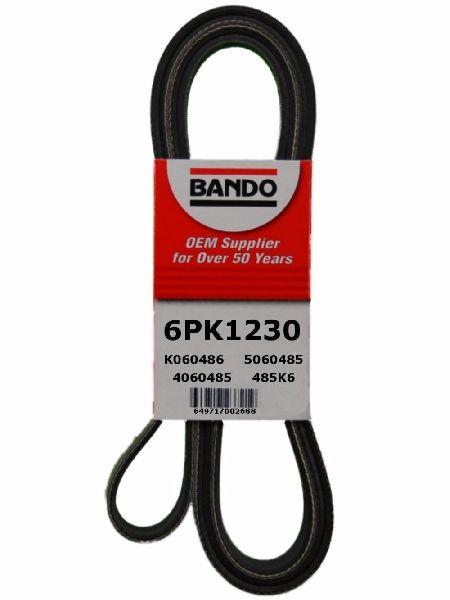
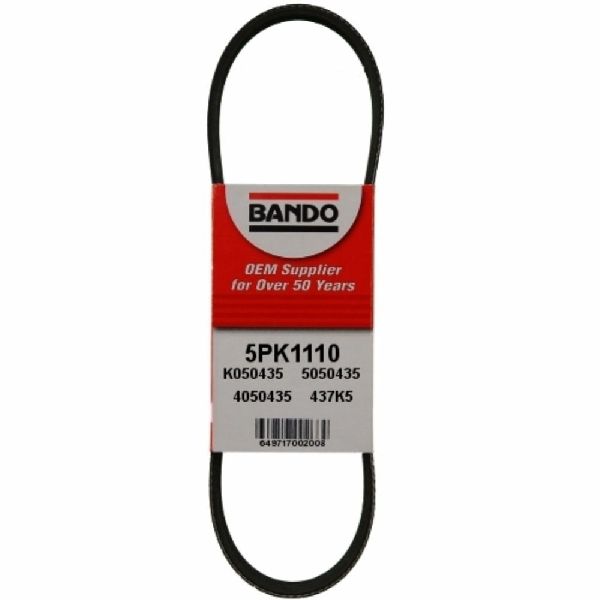
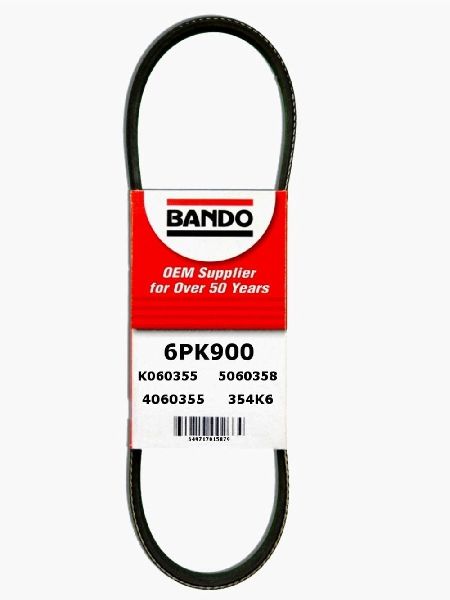
- Top Tier: Gates and Bando are widely regarded as top-tier choices. Gates is a well-respected name in the aftermarket, and Bando is an OEM supplier for many car manufacturers, known for high-quality products.
- Solid Value: ACDelco offers good quality belts that provide reliable performance and are a dependable choice for your Lynx.
Common Ordering Mistake: The most common mistake is ordering the wrong belt. Your Lynx has different belts depending on its options (with or without A/C, with or without power steering) and engine size. Always verify the specific belt you need by checking its routing or consulting a parts catalog with your vehicle's exact details.
| Part Type | Price Range |
|---|---|
| New Aftermarket Belts (per belt) | $11.63 - $46.59 |
| Shop Labor (for one belt) | $100 - $200 |
Frequently Asked Questions (FAQ)
How many accessory belts does my Lynx have?
Your Lynx will have multiple V-belts. The exact number depends on the options installed, such as air conditioning and power steering. You could have anywhere from one to four separate belts driving different accessories.
What's the difference between a V-belt and a serpentine belt?
A V-belt is a narrow belt that typically drives one or two accessories. A serpentine belt is a single, wide, flat belt that winds its way around multiple pulleys to power all accessories. Your Lynx uses a V-belt system.
How do I know if the belt tension is correct?
Unlike modern cars with automatic tensioners, the V-belts on your Lynx are tensioned manually, usually by pivoting the alternator or power steering pump. A good rule of thumb is that at the longest point between pulleys, you should be able to press the belt down about half an inch with firm finger pressure. It should also be possible to twist the belt about 90 degrees (a quarter turn). If it's too loose it will slip, and if it's too tight it can damage the bearings in the accessories.
Should I replace all the belts at once?
It is highly recommended. If one belt is old enough to fail, the others are likely in similar condition. Replacing all the belts at the same time is good preventive maintenance and can save you from future breakdowns.
Technical Specifications
OEM Part Numbers: E4FZ8620D E4FZ8620E E2SZ8620A E43Z8620C
System uses multiple V-belts of varying lengths. Belt length and profile are dependent on engine size (1.6L, 1.9L, 2.0L Diesel) and factory-installed options like Air Conditioning and Power Steering.
We Have This Part in Stock

The information in this article is provided for general reference and educational purposes only. Vehicle specifications, procedures, and part compatibility can vary by production date, trim level, and region. Always consult your vehicle's factory service manual and verify part numbers before purchasing or performing repairs. Safety-critical components such as airbags, seat belts, and braking systems should be installed by a qualified professional.
- Mercury Lynx: