

Replacing the Catalytic Converter on Your 1981-1987 Mercury Lynx
Restore lost power and solve exhaust problems on your classic Lynx with the right aftermarket part.
- A failing converter is usually a symptom of another engine problem; you must fix the root cause first to avoid damaging the new part.
- This is a pre-OBD-II vehicle, so diagnosis relies on physical symptoms like power loss and rattling, not check engine light codes like P0420.
- Choose a brand based on your budget and needs: Economy (AP, Eastern), OE-Style (Walker), or Performance (MagnaFlow).
- Rusted bolts are the biggest challenge for a DIY replacement; be prepared with penetrating oil and proper tools.
Is Your Lynx's Catalytic Converter Failing?
For a car from the 1980s, the original catalytic converter has lived a long life. When it fails, you will notice distinct symptoms. It's important to remember that catalytic converters usually don't fail on their own; their failure is often a symptom of another engine problem. An engine that runs rich, misfires, or leaks oil or coolant into the exhaust can quickly destroy a brand-new converter. Always diagnose and fix the root cause before installing a new part.
Symptoms of a Bad Catalytic Converter
- Loss of Power: The most common symptom is a significant drop in engine power and sluggish acceleration. This happens when the inside of the converter breaks apart and creates a blockage, choking the engine.
- Rattling Noise: You may hear a rattling sound from under the car, especially when starting the engine or accelerating. This is caused by the ceramic honeycomb catalyst breaking into pieces inside the converter's metal shell.
- Rotten Egg Smell: A strong smell of sulfur or rotten eggs from the tailpipe indicates the converter is not processing the exhaust gases correctly.
- Poor Fuel Economy: If you find yourself filling up the gas tank more often, it could be due to the engine working harder to push exhaust past a restriction.
Pre-OBD-II Vehicle: No P0420 Code
Modern cars (1996 and newer) will trigger a "Check Engine" light with a P0420 code for converter inefficiency. Your 1981-1987 Lynx uses a much simpler OBD-I system that does not have this specific code. You must rely on physical symptoms to diagnose a failure.
Choosing the Right Aftermarket Converter
Original equipment (OEM) Ford parts for the Lynx are no longer available. Your only option is a new aftermarket part. These are available from several brands that fit different budgets and needs.
Brand Tiers for Your Mercury Lynx
Economy Brands (AP Exhaust, Eastern Catalytic):
These brands offer the most affordable way to get your Lynx back on the road and pass an emissions test. They are a good functional replacement for a daily driver or a car you don't plan to keep for many more years. While perfectly adequate, they may not have the same lifespan as more expensive options.
Standard OE-Style (Walker Exhaust):
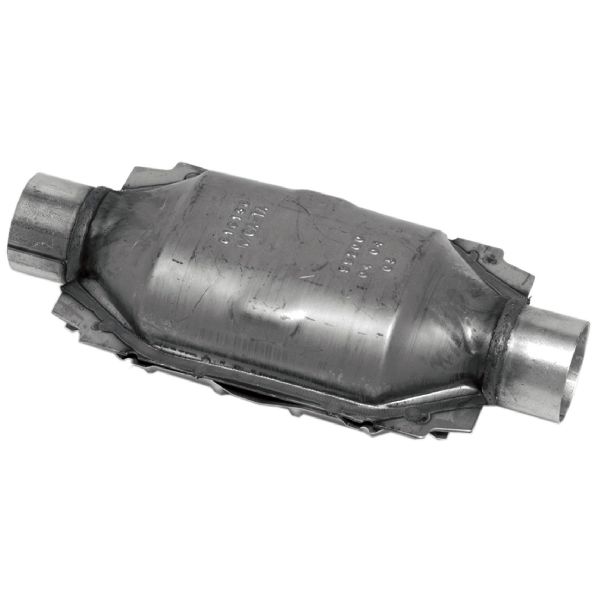
Walker has a long-standing reputation for making reliable, OE-style replacement parts that fit well. They aim to provide a good balance of quality and price, making them a solid choice for a durable repair. However, some users in forums have noted that recent quality can be inconsistent, so inspect the part upon arrival.
Performance & High-Durability (MagnaFlow):
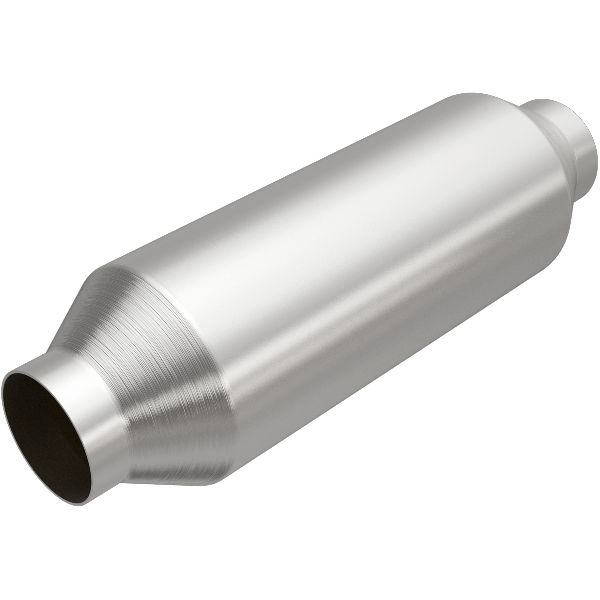
MagnaFlow converters are typically made from higher-grade stainless steel and are designed for better exhaust flow, which can offer a slight performance benefit. They are considered a premium, longer-lasting option and are priced accordingly. This is a good choice if you want the highest quality replacement for your classic Lynx.
Direct-Fit vs. Universal Converters
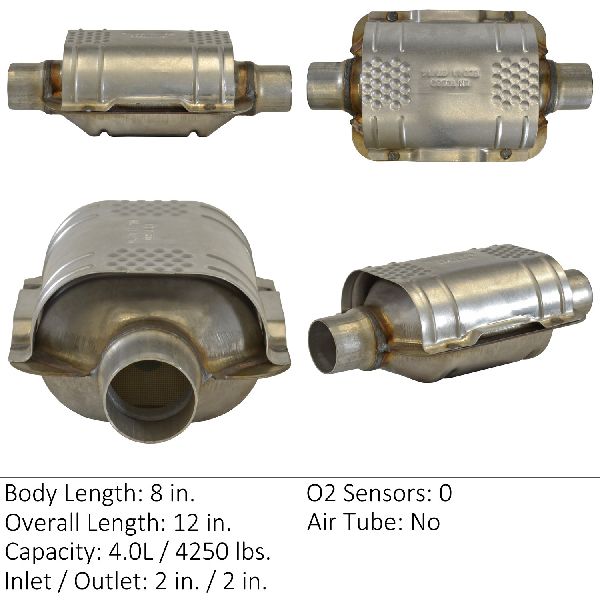
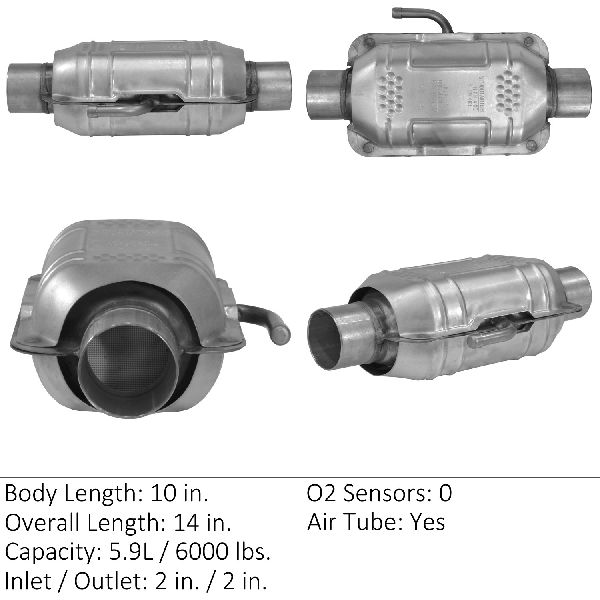
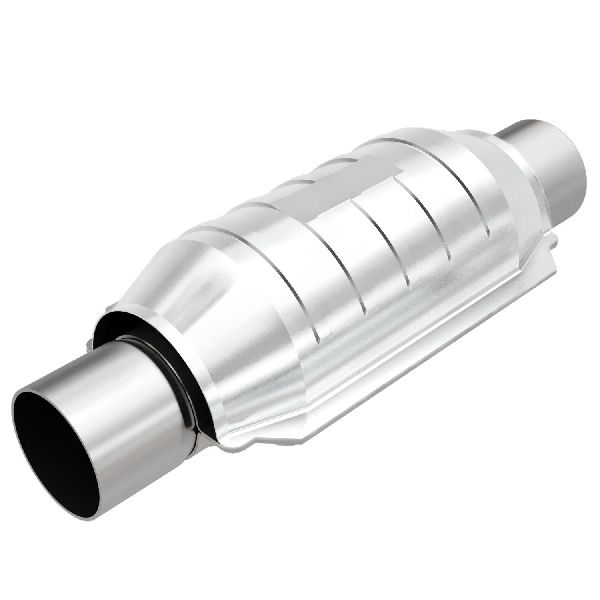
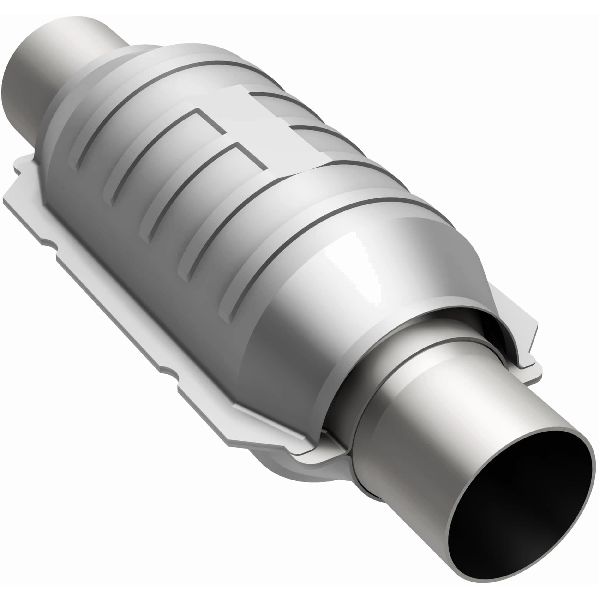
For your Lynx, you will find both "Direct-Fit" and "Universal" catalytic converters. A direct-fit model is designed to bolt into the exact location of the original part with no modifications. A universal converter is cheaper but requires a professional to cut and weld it into your existing exhaust pipe. For a DIY repair, a direct-fit part is strongly recommended.
Estimated Replacement Costs
The cost to replace the catalytic converter on a Mercury Lynx is relatively low compared to modern cars. The primary costs are the part itself and the labor to handle potentially rusted bolts.
| Item | Estimated Cost |
|---|---|
| New Aftermarket Catalytic Converter | $85 - $560 |
| Shop Labor | $100 - $250 |
| Total Estimated Cost | $185 - $810 |
Frequently Asked Questions
Do I need a special converter for California or New York?
Yes. States like California and New York have stricter emissions laws and require catalytic converters that are certified by the California Air Resources Board (CARB). These parts are more expensive due to having a higher loading of precious metals. Always check your state's requirements before purchasing a "49-State" or "Federal EPA" converter.
Can I just clean my old catalytic converter?
No. While some fuel additives claim to clean converters, they cannot repair a converter that is physically broken, melted, or clogged internally. Once you have symptoms like rattling or a major loss of power, replacement is the only effective solution.
Why do the prices for converters vary so much?
The price difference is based on the amount of precious metals (like platinum and palladium) used inside the converter and the material of the shell (stainless vs. aluminized steel). CARB-compliant converters cost more because they contain more of these expensive metals to meet stricter standards. Performance brands like MagnaFlow often use higher-grade stainless steel for better durability.
What is the hardest part of replacing the converter myself?
For a DIY replacement on a car of this age, the biggest challenge will be dealing with rusted exhaust bolts and flanges. Be sure to have plenty of penetrating oil, a breaker bar or impact wrench, and potentially a torch to heat the bolts before attempting to remove them. If the bolts break, you may need to drill them out.
Technical Specifications
The 1981-1987 Mercury Lynx uses a single catalytic converter. Aftermarket options are available in both direct-fit and universal configurations. Most will be designed for a 2-bolt flange inlet and a pipe outlet that clamps to the rest of the exhaust system. No oxygen sensor ports are present on converters for this vehicle.
We Have This Part in Stock

The information in this article is provided for general reference and educational purposes only. Vehicle specifications, procedures, and part compatibility can vary by production date, trim level, and region. Always consult your vehicle's factory service manual and verify part numbers before purchasing or performing repairs. Safety-critical components such as airbags, seat belts, and braking systems should be installed by a qualified professional.
- Mercury Lynx:
- 🛍️ Shop This Part
- Is Your Lynx's Catalytic Converter Failing?
- Symptoms of a Bad Catalytic Converter
- Pre-OBD-II Vehicle: No P0420 Code
- Choosing the Right Aftermarket Converter
- Brand Tiers for Your Mercury Lynx
- Direct-Fit vs. Universal Converters
- Estimated Replacement Costs
- Frequently Asked Questions
- 🎟️ Get 5% Off